How Much Is the Dump Fee in San Diego County?
There is no single dump fee in San Diego County: facilities charge by weight, load and material, and rates change. Here is what actually determines the price and where to check it.
How Much Is the Dump Fee in San Diego County?
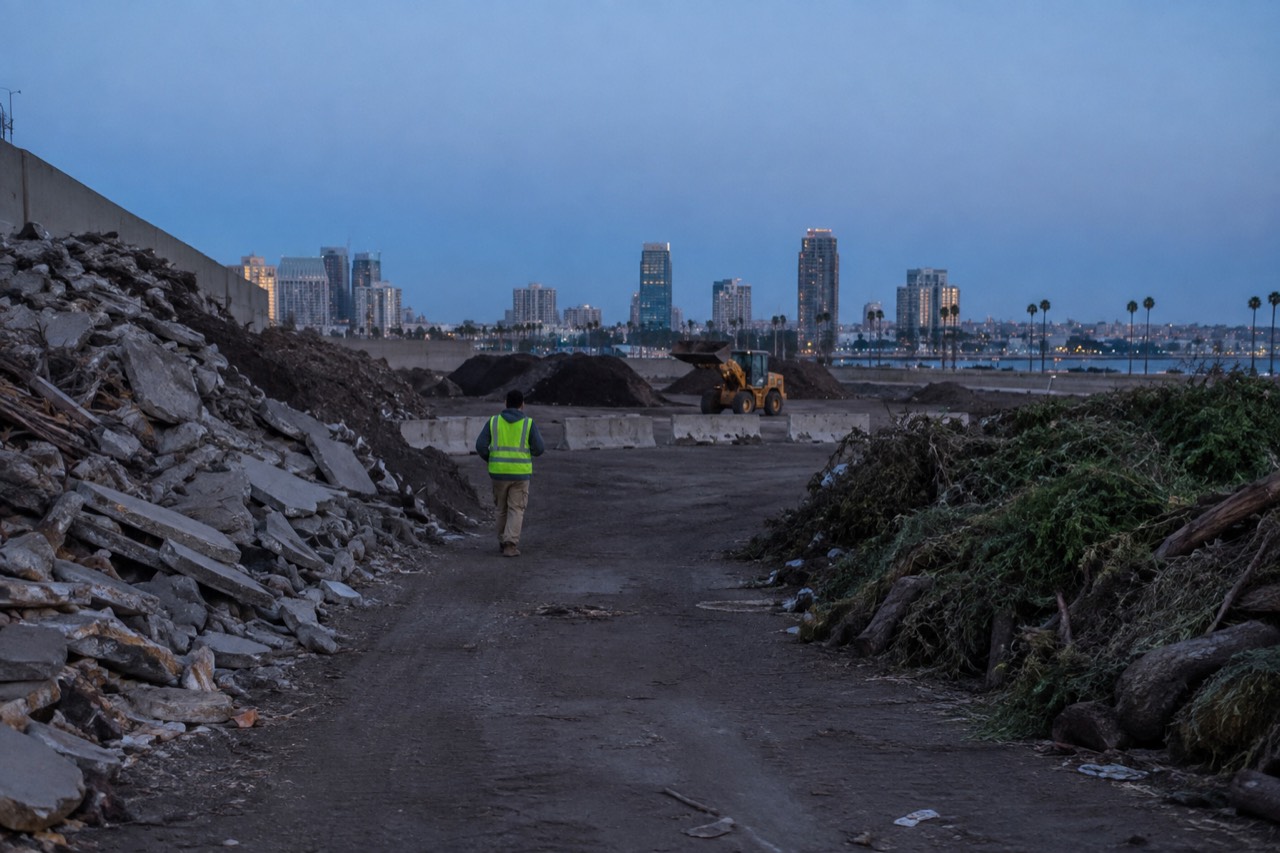
There is no single dump fee in San Diego County, and any page that quotes you one flat number is guessing. Disposal facilities across the county set their own rates, bill by weight, by the load, or by material type, and revise their price sheets without notice. What you pay depends on the facility, the material, and how much of it you bring, so the only reliable number is the one on the facility's own current rate sheet.
That is a frustrating answer if you came here for a dollar figure, but it is the true one. The county does not publish a countywide disposal rate the way it publishes, say, a transit fare chart. The MTS fare chart is a fixed, published thing: $2.50 one-way, $6.00 for a day pass. Disposal pricing works nothing like that. A facility that takes your clean green waste bills it one way, a facility that takes your construction debris bills it another, and a private transfer station can set whatever rate the market allows.
What makes this question hard is that "dump fee" means different things to different people. A homeowner with a pickup load of yard clippings, a contractor with a trailer of drywall, and a renter doing a one-off cleanout are all asking the same search question and expecting three different prices. The facility decides which category your load falls into when you cross the scale, and that classification, more than anything else, is what moves the number.
The practical move is simple: before you load anything, find the facility you plan to use and read its current fee schedule. Every public and private disposal site in the county publishes one, and most update it at least yearly. Call if the sheet is unclear, because mixed loads, the kind most households actually have, are usually split into categories and billed separately.
What Actually Determines the Price You Pay?
Three things set your dump fee: the weight of your load, the material it is made of, and the facility's own rate sheet. Clean, sorted material is always billed as a lower category than mixed or hazardous waste, and facilities reclassify loads at the scale when sorting is poor. Where you dump matters too, since public and private sites price independently and there is no countywide standard rate to fall back on.
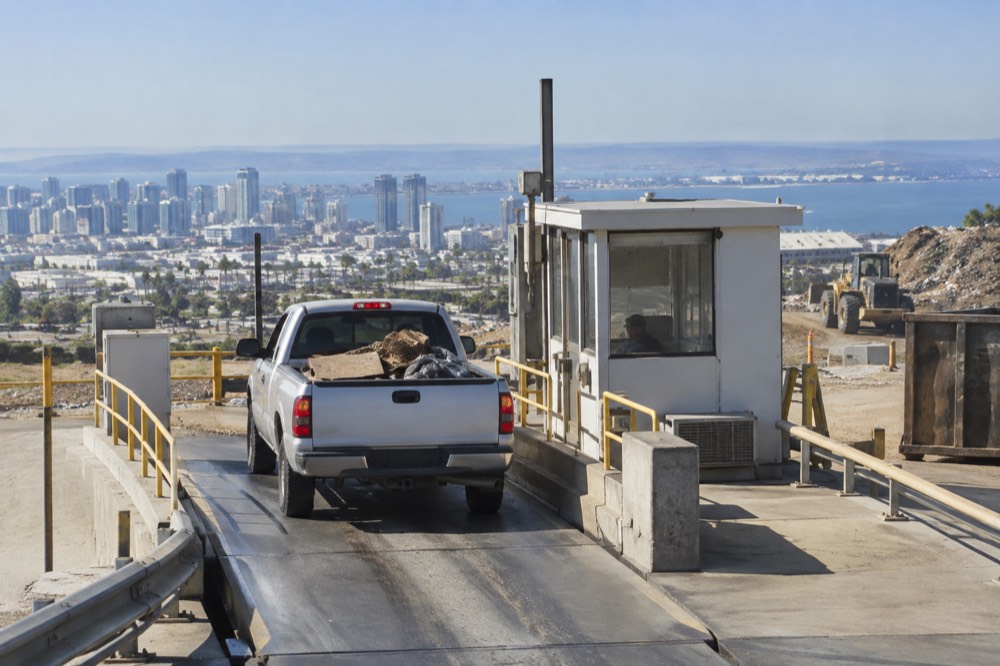
Weight is the backbone of almost every disposal bill. You cross a certified scale on the way in, dump, and cross it again on the way out; the difference is your billable weight, multiplied by the facility's per-ton rate for your material category. Small loads from a car or pickup are often billed a minimum load charge instead, which is why a single mattress can cost the same as half a truck of the same material.
Material is the second lever. Clean green waste, clean wood, inert material like concrete and dirt, and standard municipal solid waste each sit in their own pricing tier, with clean sorted streams priced well below mixed trash. Construction and demolition debris is its own category at most facilities. Anything the state classifies as hazardous, paints, solvents, batteries, electronics, cannot go on the general pile at all and routes to special household hazardous waste collection, which for county residents is typically free but appointment-based.
| Factor | How it changes the bill | What you can do about it |
|---|---|---|
| Load weight | Billed per ton, with a minimum charge for small loads | Split a big project across trips only if the minimum charge makes that cheaper |
| Material type | Clean, sorted streams bill below mixed municipal waste | Sort before you load; keep green waste and trash separate |
| Mixed loads | Usually split into categories and billed each at its own rate | Separate at home, not on the tipping floor |
| Facility choice | Public and private sites set rates independently | Compare the current rate sheets of two nearby facilities |
| Hazardous items | Not accepted on the general pile at all | Route them to a household hazardous waste collection event |
Sorting is where households lose money without realizing it. A load that is half yard waste and half household junk is not billed at some average of the two rates; the facility splits it, and the split takes staff time, which shows up in the price. The same material, separated into two clean loads, is consistently cheaper than one mixed one.
There is also a seasonal wrinkle worth knowing. After big winter storms, green waste volumes spike countywide, and after wind events, the same happens with downed branches and palm fronds. Facilities do not run out of space, but the queue at the scale gets long, and some adjust rates for surge material. A rainy-week dump run in February or March can be a slower, pricier experience than the identical run in August.
Where Can You Legally Dump in San Diego County?
Your options are the county's public disposal sites, city transfer stations, and licensed private facilities, and each publishes its own fee schedule. Curbside collection handles standard household waste, but anything oversized, heavy, or construction-related has to go to a facility or a special collection program. Illegal dumping is not a workaround: it is a cited offense, and the county actively investigates reports of it.
The public route is the county's own landfill and transfer system, run by the Department of Public Works, which accepts self-hauled loads from residents and businesses. Cities inside the county, including the City of San Diego, operate or contract their own transfer stations, and private companies run additional sites. All of them are legal, all of them are permitted, and none of them share a rate sheet. That is the whole reason this question does not have one answer.
If your load is ordinary household junk, the cheapest legal route is often not a dump at all. The city's curbside program collects bulky items from single-family homes by appointment, and that service is part of what your regular trash bill already pays for. It is slower than driving to a facility, and there are item limits, but for a couch or a broken desk it beats a per-load disposal charge. Multi-family buildings have to arrange bulky pickup through their property manager rather than the city directly.
For anything with wheels, fluids, or a cord, check before you haul. Tires, appliances, electronics and household chemicals each have their own collection channel, and putting them in a general load can get the whole load reclassified or rejected at the scale. The county runs household hazardous waste collection for residents, and retailers that sell certain products, batteries and electronics especially, are required to take them back.
If you are new to the county or just visiting and dealing with a rental cleanout, the orientation is the same as for anything else here: start with the official source. Our Things to Do in San Diego desk applies the same rule to disposal that we apply to parking and museum tickets, which is that the venue's own page beats any secondhand number. A close cousin of this question, with more on the city side of the system, is covered in our piece on how much dump fees run in San Diego.
How Can You Cut the Cost of a Dump Run?
Sort your load into clean streams before you leave the driveway, use curbside bulky pickup for items the city will collect, and take reusable material to donation or recycling channels instead of the tipping floor. Every pound that never crosses the scale is money saved, and donation channels take furniture and building materials that facilities would bill at the mixed-waste rate.
Start with the free channels. Gently used furniture, working appliances, and surplus building material all have second lives through donation-based reuse retailers and Habitat-style building material stores, and most will pick up large items for nothing because the material is their inventory. A couch in usable condition costs you a disposal fee at a facility and earns a tax receipt at a donation center. The math is not close.
Then use the channels you already pay for. Standard trash service, green waste bins, and the bulky-item pickup appointment that comes with city residential service handle the majority of household cleanouts at zero marginal cost. The dump run should be the last resort, reserved for the heavy, broken, and unclassifiable stuff: concrete, dirt, treated lumber, mattresses beyond saving.
When you do go, weigh your load's composition honestly. A load that is 80 percent yard waste should not arrive mixed with a bag of kitchen trash, because that bag can reclassify the whole pile. Green waste alone, cleanly loaded, is consistently the cheapest material category at county facilities. Inert material like concrete and soil is cheap too, but only if it is actually clean, because rebar-laced concrete or soil mixed with trash gets billed as construction debris.
There is also a civic angle worth a sentence. Illegal dumping, tossing material on a roadside, in a canyon, or into someone else's bin, is not a fee dodge; it is an offense that carries fines and cleanup liability, and the county investigates reports of it. Beyond the legal exposure, dumped material washes into storm drains and out onto the very beaches people come here for. The county's beach water quality program posts closure notices when that happens, and a dumped load upstream is one of the causes.
What If You Are a Visitor, Not a Resident?
Visitors almost never need a dump facility: rental and hotel waste goes through commercial collection, and the only realistic visitor scenarios are a van or RV cleanout or a move. If that is you, the same rules apply, read the facility's rate sheet first, sort the load, and expect to pay by weight. Otherwise, your San Diego time is better spent on the harbor than at a transfer station.
This question gets searched by visitors more often than you would think, usually because of an RV trip down the coast or a moving van that arrived full of someone else's junk. If that is your situation, the answer above is your answer: pick a facility near your route, check its current fee schedule, and sort before you load. Nothing about disposal pricing changes because you are from out of town.
If you are not hauling anything and landed here out of curiosity, the honest advice is to close this tab and go outside. The county's disposal system is interesting the way a water treatment plant is interesting, which is to say: genuinely, but not on your vacation. The Embarcadero, Balboa Park's free gardens, and the tide pools at Cabrillo National Monument are all within a short drive of anywhere in the city, and none of them has a scale house.
The one visitor-facing tip worth keeping: San Ysidro sits at the southern end of the Blue Line trolley, and the border there is the busiest land crossing in the western hemisphere. People sometimes assume a disposal run south of the line is a shortcut. It is not, and crossing a land border with a loaded vehicle is a customs matter before it is a waste matter. Keep the errand on the US side.
And if your errand day has you circling downtown anyway, the Hop-on Hop-off Narrated Trolley Tour is a two-day narrated loop of the city's highlights, and it turns dead time between appointments into the actual sightseeing you came for. Check availability if that sounds like your kind of day. For a self-guided alternative, our downtown and Old Town driving tour writeup covers the same ground in a tiny GPS-guided car.
Where Do You Check the Current Number?
Go to the operating facility's own website and read its published fee schedule, or call the scale house directly. The county's Department of Public Works lists its sites and rates, city transfer stations publish theirs, and private facilities are required to post theirs. Any third-party number, including one printed here, can be out of date the day you read it.
This is the same advice we give about museum tickets and parking, and it is not a dodge: disposal rates genuinely do move, and the facility's own sheet is the only version that is current by definition. When you call, describe the load honestly, material, estimated weight, and vehicle type, because the staff answer the scale question a hundred times a day and can quote you the category before you drive out.
One local caution on secondhand numbers: San Diego's parking rules have been in visible flux, with paid parking at Balboa Park running $8 to $16 a day now and scheduled to end on 1 January 2027 by City Council vote. Disposal pricing is less newsworthy but moves the same way, quietly, by facility, with no single announcement. Treat any fee figure you read anywhere except the operator's page as a planning estimate only.
For readers dealing with a bigger life logistics question than a single dump run, our pieces on rental assistance programs in San Diego and on finding San Diego accident reports cover other parts of the county's paperwork maze.
Common Questions About Dump Fees in San Diego County
how much is the dump fee in san diego county?
There is no single countywide dump fee. Each public and private facility sets its own rates, billed by weight, load, or material category, and revises them on its own schedule. The only reliable number is the current fee schedule published by the specific facility you plan to use.
Is there a minimum charge for small loads?
Most facilities bill small loads a minimum charge rather than the per-ton rate, which means a single item can cost nearly as much as a half-full pickup. If your load is small, ask the facility about its minimum before you drive out, and consider curbside bulky pickup if the item qualifies.
Can I throw away furniture and mattresses at the dump?
Yes, both are accepted at county facilities, but they are usually billed as bulky or mixed waste, which is a higher category than clean sorted material. Usable furniture is often better routed to a donation channel that picks up for free, and unusable mattresses are cheapest when brought in a clean, dedicated load.
What can I not bring to a normal dump run?
Hazardous household items, including paints, solvents, batteries, most electronics, and anything with refrigerant, cannot go on the general pile. They route to household hazardous waste collection, which is typically free for residents but appointment-based. Tires and appliances also have their own channels at many facilities.
Is curbside bulky item pickup cheaper than the dump?
For City of San Diego single-family households, bulky pickup is part of existing trash service, so the marginal cost is zero against any per-load facility charge. It is slower, requires an appointment, and has item limits, but for one or two large items it is almost always the better deal.
Do I need to sort my load before arriving?
Yes, and it is the single biggest money saver. Clean, separated streams, green waste, inert material, and municipal trash, are billed at their own lower rates, while mixed loads are split at the scale and billed per category. Sorting at home takes ten minutes and routinely cuts the bill.