Balboa Park: The Complete Visitor Guide to Museums, Gardens and the Zoo
Balboa Park is the cultural center of San Diego: a cluster of museums, gardens, theaters and the San Diego Zoo, most of it walkable and much of it free. This guide covers what to see, what costs money, where to park and which tours are worth booking.
Short answer
Balboa Park is San Diego's 1,200-acre cultural park, home to the San Diego Zoo, more than a dozen museums and free gardens. Grounds and gardens are free; museums run roughly $25 for adults. Parking is paid now at $8 to $16 a day for visitors but is scheduled to become free on 1 January 2027. Allow at least half a day, and arrive before 10:00 am for parking.
Balboa Park holds more museums, gardens and performing arts venues than any other single place in San Diego, and the San Diego Zoo sits inside it. Most first-time visitors underestimate it: they plan two hours, stay for six, and still leave with a list of things they missed. This guide lays out what is actually in the park, what is free, what costs money, where to park, and which guided tours are worth the spend.
What Is Balboa Park and Why Is It the Heart of San Diego?
Balboa Park is a large urban cultural park immediately north of downtown San Diego, holding the San Diego Zoo, more than a dozen museums, several theaters, and gardens and walking trails that are free to everyone. It is the single densest concentration of things to do in the city, and you can spend an entire trip inside its boundaries without running out. The park grounds themselves cost nothing, which surprises visitors who assume an attraction this big must have a gate.
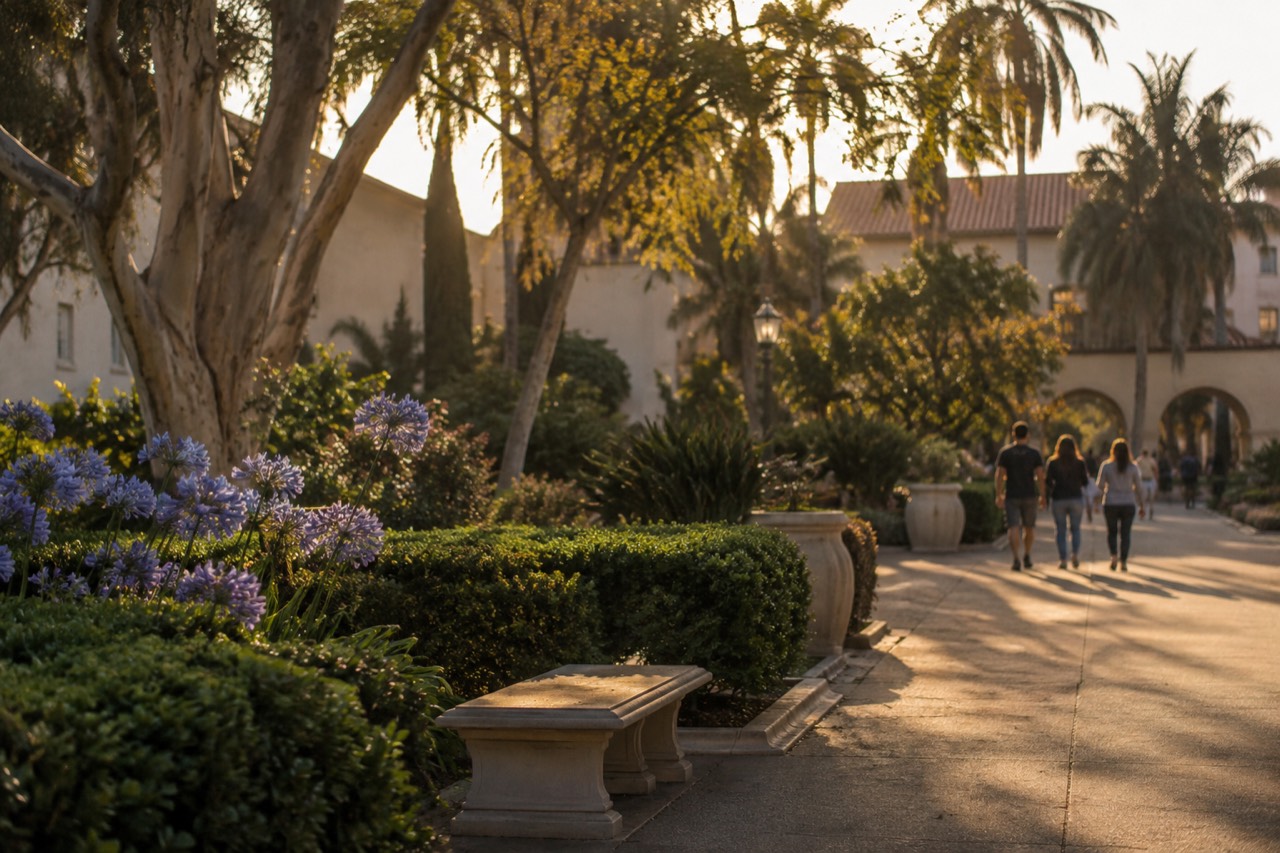
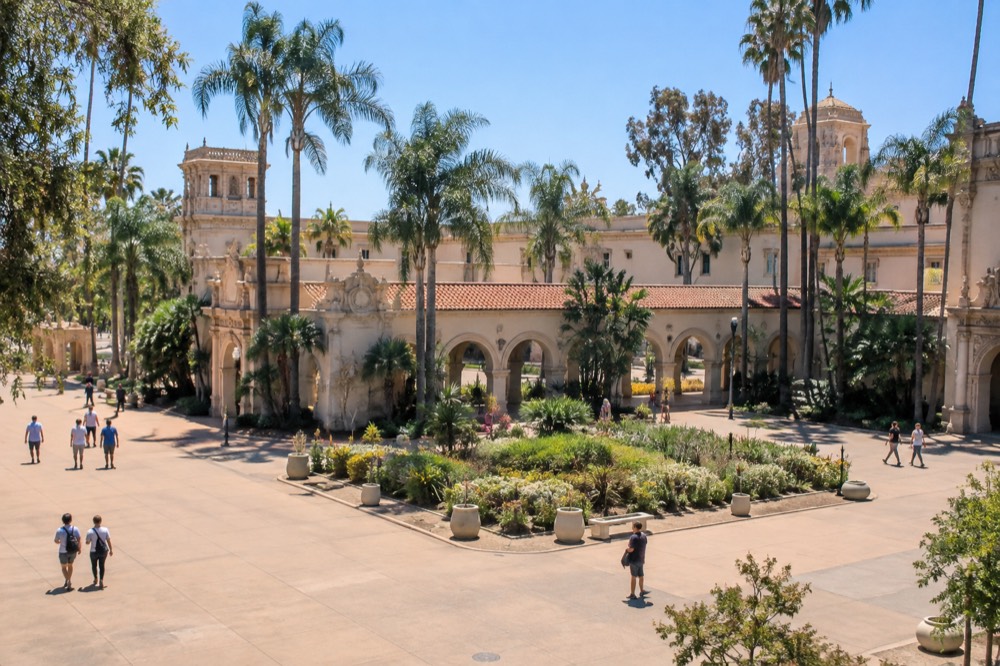
The park's architecture is the first thing you notice. The central El Prado pedestrian walkway is lined with ornate buildings in a Spanish colonial revival style, fronted by courtyards, fountains and covered arcades. Photographers spend whole afternoons here, and it is one of the entries on our San Diego photography spots list for good reason: the light through the arches changes character all day.
The institutions are the substance. The San Diego Natural History Museum, the Fleet Science Center, the San Diego Air and Space Museum, the San Diego Museum of Art, the Museum of Us, the Japanese Friendship Garden, the Mingei International Museum, the Comic-Con Museum and more sit within about a mile of each other, alongside the Old Globe Theatre. The San Diego Zoo anchors the park's northern edge. A free tram loops through the park's lots and stops, which matters more than you would think on a hot afternoon.
For most visitors the honest framing is this: Balboa Park is not one attraction, it is a district. You would not try to see a museum district in two hours, and you should not try it here either. Our one day in San Diego itinerary gives the park a full half day for exactly that reason.
What Are the Best Things to Do in Balboa Park?
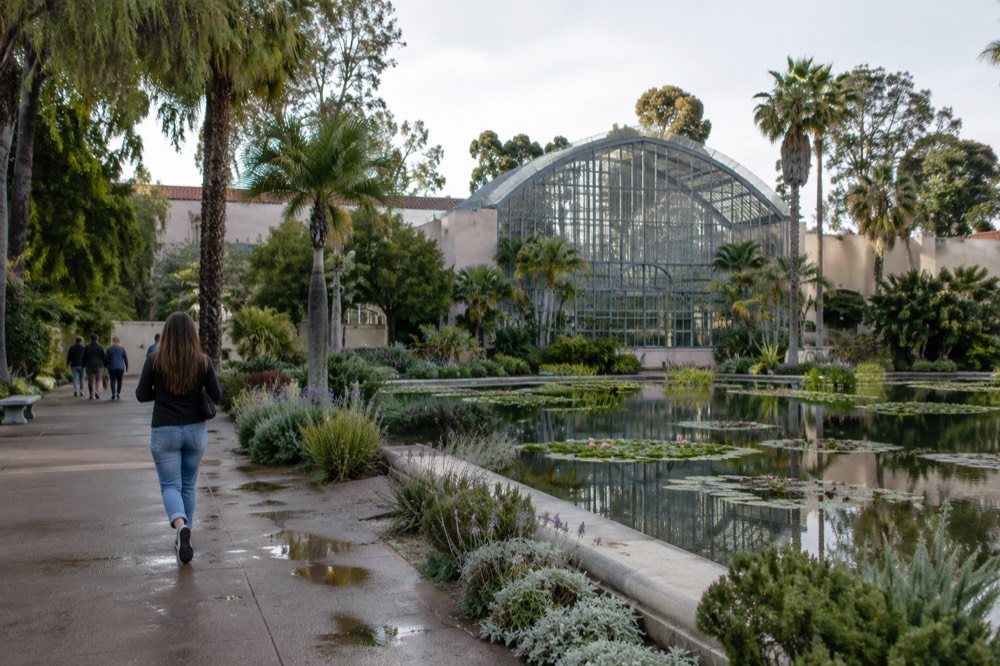
The best things to do in Balboa Park are the San Diego Zoo, the Botanical Building and Lily Pond, the Japanese Friendship Garden, the San Diego Museum of Art, the Fleet Science Center if you have kids, and a walk through the free gardens and the House of Pacific Relations International Cottages. The Zoo alone can absorb a full day. The Botanical Building is free, recently restored, and the single most photographed structure in the park.
Start with the Zoo if it is on your list, because it deserves the biggest block of time and because the San Diego Zoo is the park's biggest draw by a wide margin. It opens at 9:00 am, needs no reservation, and one-day adult admission is $76 on Any Days and $73 on Value Days when bought online. Arrive at opening: animals are active, crowds are thin and the parking situation is at its easiest.
If the Zoo does not grab you, the museum cluster will. Families repeatedly point at the Fleet Science Center and the Air and Space Museum; art lovers head for the San Diego Museum of Art, whose sculpture garden is free even when the galleries are not. The Japanese Friendship Garden is small, calm and genuinely beautiful, a good reset when the plazas get busy. Our Balboa Park museums guide breaks down every institution one by one.
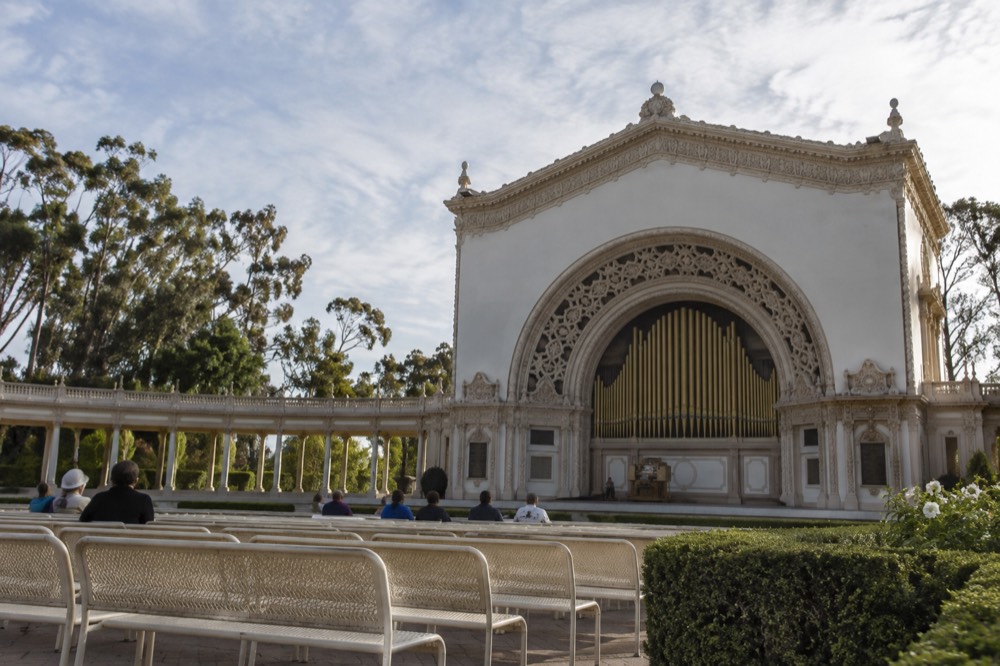
Between institutions, do not skip the free layer. The Botanical Building and Lily Pond reopened after a full restoration and is open roughly 10:00 am to 4:00 pm daily except city holidays. The Spreckels Organ Pavilion hosts free one-hour concerts every Sunday from 2:00 to 3:00 pm, year round, rain or shine. The weekend Lawn Programs at the International Cottages are free too, and they are the closest thing the park has to a local's secret.
Three tours dominate how visitors experience the park as a whole, and all three are bookable through this site:
The trio above spans three formats and three price points: a private two-hour Segway tour, a two-hour small-group walking tour with a local guide, and a 2.5-hour guided e-bike tour that extends from the park into the Gaslamp Quarter. If you only have a morning and want the park's story rather than its individual ticket counters, one of these is the efficient move.
What Are the Best Balboa Park Tours?
The best Balboa Park tours are the Private Balboa Park Segway Tour for a private, cover-lots-of-ground experience, the San Diego Walking Tour of Balboa Park with a Local Guide for the best value and the deepest local knowledge, and the Guided E-Bike Tour of Balboa Park and the Gaslamp Quarter if you want the park plus downtown in one outing. All three last two to three hours.
The private Segway tour is the premium pick. It is a private two-hour tour, so your group sets the pace and the guide adjusts the route to what you care about, whether that is architecture, gardens or film locations. It is the related tour on this page for a reason: reviewers consistently describe it as the fastest way to see the whole park without wearing out your feet, and the private format means no waiting on a large group.
Booking it ahead matters more than with most tours, because private departures are limited to one group per slot and the popular morning windows go first. If your trip has a fixed shape already, lock the time in early and adjust later if plans shift.
The walking tour is the value pick and the one budget travelers should look at first. Two hours with a local guide, on foot, covering the Prado, the gardens and the stories behind the buildings. Walking tours also reach places Segways and bikes skip, including interior courtyards and museum lobbies. If your day in the park is a one-off and you want context rather than coverage, this is the one.
The e-bike tour is the hybrid: 2.5 hours covering Balboa Park and then rolling down into the Gaslamp Quarter, which effectively bundles two of the city's headline neighborhoods into a single outing. It suits visitors who are comfortable on a bike and want to see downtown the same day. The Gaslamp Quarter deserves more than a ride-through, but as a first orientation it works.
Which Balboa Park Museums Are Worth Your Time and Money?
The museums most worth a ticket are the San Diego Natural History Museum for families, the San Diego Museum of Art for adults, the Air and Space Museum for aviation fans, and the Japanese Friendship Garden for a calm hour. Two things to know before you buy: most Balboa Park museums are not sold through this site, so you buy at the gate or on the venue's own page, and the resident free-Tuesday rotation does not apply to visitors.
The ticketing reality deserves plain language. The Balboa Park museum cluster, including the Fleet Science Center, the Air and Space Museum, the San Diego Museum of Art, the Museum of Us and the Natural History Museum, sells official tickets only. You buy at the gate or from the venue itself. There is no booking shortcut through this site, and any page telling you otherwise is guessing.
What you will pay at the gate, from the venues' own published prices:
| Museum | Adult admission | Notes |
|---|---|---|
| San Diego Natural History Museum (theNAT) | $24.95 | Films included; half price Fridays after 5:00 pm at Nat at Night |
| San Diego Museum of Art | $25 | Youth 17 and under free; sculpture garden free for everyone |
| Fleet Science Center | Check at the gate | Price not published in our verified research |
| San Diego Air and Space Museum | Check at the gate | Price not published in our verified research |
| Museum of Us | Check at the gate | Price not published in our verified research |
| Japanese Friendship Garden | Check at the gate | Price not published in our verified research |
The resident free-day rotation is the fact most visitors get wrong. Free Tuesdays exist, but they are for residents of the City and County of San Diego plus active military and their dependents, with photo ID showing an address. It is a residency benefit, not a visitor perk, and the rotation changes: the Natural History Museum and Fleet take the first Tuesday, the Air and Space cluster the second, the art institutions the third, and so on, with a string of per-museum exclusions. There is no program in December at all. Check the official rotation on balboapark.org rather than trusting any summary, ours included.
One museum-adjacent note: the Old Globe Theatre, one of the park's cultural anchors, offers free one-hour behind-the-scenes tours on third Tuesdays, subject to availability and registration, for ages 8 and up. If you are in the park on the right Tuesday, it is a genuine freebie that even most locals do not know about.
How Much Does a Balboa Park Visit Cost?
A Balboa Park visit costs nothing for the grounds and gardens, roughly $25 per adult per museum, $76 for Zoo admission on an Any Day, and $66 to $78 for the Balboa Park Explorer Pass if you plan to visit four or more museums. A family stacking the Zoo plus two museums should plan on a substantial budget, while a family sticking to gardens and free venues can spend an entire day for the price of parking and lunch.
The Explorer Pass is the one pass that makes arithmetic sense inside the park. It covers 16 participating venues and comes in three tiers:
| Explorer Pass tier | Adult | Youth 3-11 | What it covers |
|---|---|---|---|
| 1-day Limited | $66 | $43 | Up to 4 venues in one day, plus one IMAX documentary at Fleet |
| 7-day Parkwide | $78 | $52 | One admission to each of 16 venues over 7 days |
| Annual | $149 | $109 | Unlimited general admission to 16 venues for 365 days |
The pass does not include the San Diego Zoo, which is the single most common misconception about it. If your day centers on the Zoo, buy Zoo admission separately and treat the museums as the add-on. The break-even on the 1-day Limited pass is roughly three venues: below that, individual tickets win. The full index of guides sits on Things to Do in San Diego.
What about the multi-attraction passes sold citywide? The Go City San Diego pass and CityPASS both include Balboa Park institutions among their options, and both are worth a look only if your trip spans the Zoo, SeaWorld or LEGOLAND as well. For a park-only day, the Explorer Pass is the simpler instrument. Our San Diego trip cost guide puts the whole vacation budget in one place.
Budget travelers have a genuinely good deal here, one of the best in the city. The grounds, the Botanical Building, the Timken Museum of Art, the Sunday organ concerts and the weekend Lawn Programs are all free. You can spend a full, rich day in Balboa Park for the cost of lunch, which is why it anchors our free things to do in San Diego list.
Where Do You Park at Balboa Park, and How Much Does It Cost?
Parking at Balboa Park is paid right now, at $8 to $16 per day depending on the lot and your residency, but San Diego City Council has approved removing paid parking entirely on 1 January 2027, after which the lots become free. Visitors pay more than residents, residents must register online in advance to get their rate, and ADA parking is free with no time limit in every lot. Arrive before 10:00 am and the question answers itself.
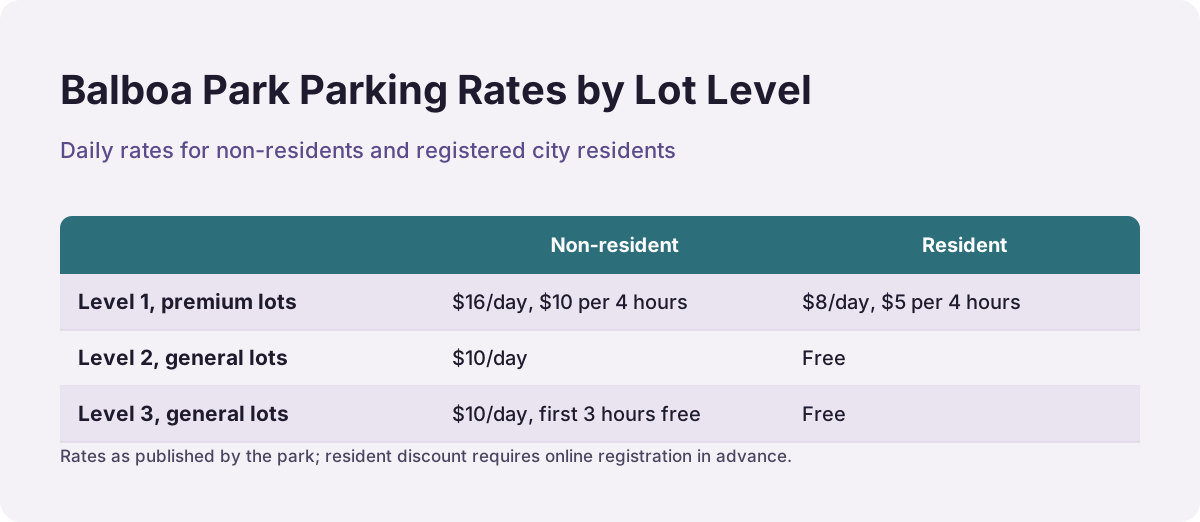
The two-tier structure is what trips people up. Premium Level 1 lots, including the Space Theater, Casa de Balboa, Alcazar, Organ Pavilion and South Carousel lots, run $16 per day for non-residents against $8 for registered residents. General Level 2 and 3 lots, including Pepper Grove, the Federal lot and Inspiration Point, run $10 per day for non-residents and are free for registered residents, with Lower Inspiration Point giving everyone the first three hours free. The full rate table is published by the City of San Diego at sandiego.gov.
| Lot level | Lots | Non-resident | City resident (registered) |
|---|---|---|---|
| Level 1, premium | Space Theater, Casa de Balboa, Alcazar, Organ Pavilion, South Carousel | $16/day, $10 per 4 hours | $8/day, $5 per 4 hours |
| Level 2, general | Pepper Grove, Federal, Upper Inspiration Point, Marston Point, Bea Evenson, Palisades | $10/day | Free |
| Level 3, general | Lower Inspiration Point | $10/day, first 3 hours free | Free |
Enforcement runs roughly 8:00 am to 6:00 pm. Payment happens at meter kiosks, and the resident discount is not available at the kiosk: residents must register online in advance. If you are a visitor, none of that machinery matters to you, but the date does: after 1 January 2027 the whole paid program is scheduled to end and the lots go free. Any sentence you read elsewhere about Balboa Park parking, including ours, needs to survive that date.
Practical advice, since parking is the biggest question visitors actually have and nobody earns a commission answering it honestly: arrive before 10:00 am, especially on weekends and all summer. Inspiration Point at the park's south end is the reliable fallback when the central lots fill, and the free park tram, running 8:00 am to 8:00 pm, connects the outlying lots to the heart of the park. On peak days, including December Nights, the honest answer is to take the Blue or Orange Trolley to a downtown stop and walk in, or use a rideshare. Our parking in San Diego guide covers the rest of the city.
What Is Free in Balboa Park?
Free in Balboa Park: all grounds, gardens and trails, the Botanical Building and Lily Pond, the Timken Museum of Art, the San Diego Museum of Art's sculpture garden, free one-hour organ concerts every Sunday at 2:00 pm, and the weekend Lawn Programs at the House of Pacific Relations International Cottages. Museum free Tuesdays are also real but only for San Diego residents and active military with ID, not for visitors.
The free layer is not a consolation prize. The Botanical Building is one of the largest of its kind and, post-restoration, one of the park's genuine highlights. The Sunday organ concerts at the Spreckels Organ Pavilion have run year round, rain or shine, for generations of San Diegans, and they are the most local experience available to a visitor: bring something to sit on, show up at 2:00 pm, and you are at a civic institution rather than a tourist attraction.
The International Cottages are the other free gem. On weekends, the Lawn Programs bring food, dance and music from the cottage nations onto the lawn, one house at a time, and wandering between them costs nothing. Weekday visitors can still walk the cottage path, but the programs are the show, so plan a weekend if this appeals.
The Timken Museum of Art is the park's quiet freebie: a small, serious collection in a beautiful building, with no ticket counter at all. Pair it with the Museum of Art's free sculpture garden across the way and you have a genuinely good art afternoon for $0. Add the trails on the park's mesas, the canyon paths and the desert garden, and the free version of Balboa Park is a full day by itself. It anchors our cheap things to do in San Diego guide for good reason.
How Much Time Do You Need, and When Should You Visit?
Plan on a half day for the gardens plus one museum, a full day if the Zoo is on your list, and two days to do the Zoo and the museum cluster without rushing. The best hours are 9:00 am to noon, when parking is easy, crowds are thin and the marine layer has usually burned off. Weekdays beat weekends at every museum, and September is the park's most underrated month: the warmest weather of the year with the smallest crowds.
The marine layer is the seasonality story here, and it deserves honesty. May and June mornings are frequently gray along the coast, a pattern locals call May Gray and June Gloom, and it shows up in the 30-year temperature normals themselves: June's average high of 71.7°F is lower than October's 74.6°F. The gray usually burns off by late morning, but plan indoor museums for the morning and gardens for the afternoon in those months, and you will never feel cheated by the weather.
September is the counterintuitive pick. Its normal high of 77.2°F beats July's by almost 2 degrees and sits a tenth behind August's, yet September is one of the quietest visitation months in the region, a pattern visible in the National Park Service's own monthly counts at nearby Cabrillo National Monument. Warm weather, warm ocean, thin crowds: if your dates are flexible, September is the move. Our San Diego weather and best time to visit guide has the full month-by-month breakdown.
Within the week, the same logic applies in miniature. Saturday and Sunday bring the free Lawn Programs and organ concerts but also the fullest lots. Tuesday through Thursday mornings give you the park at its calmest, and museum lines at their shortest. If you are stacking the park into a bigger trip, our San Diego 3-day itinerary slots it into day one for most visitors.
Timing inside the day matters for the Zoo especially. It opens at 9:00 am and needs no timed entry or reservation, but animals are most active in the first two hours and the parking lots fill by late morning in summer. Museums generally open around 10:00 am, so the natural rhythm is Zoo or gardens first, museums after, and the free tram to move between lots when your feet give out.
How Do You Get to Balboa Park Without a Car?
You get to Balboa Park without a car by taking the San Diego Trolley or an MTS bus to a downtown stop and walking about 15 minutes uphill, or by taking bus routes that stop at the park's edges directly. There is no Trolley station inside the park itself, so the last leg is always on foot or by bus. A day pass on MTS costs $6.00 and the fare system caps automatically, so there is no reason to buy a pass up front.
The transit arithmetic is simple. The adult one-way fare is $2.50 and the day pass is $6.00, and the PRONTO card or app applies fare capping automatically: once your individual rides total the day-pass value, the rest of the day is free. You never need to decide in advance whether a day pass is worth it, because the system decides for you. Youth 18 and under ride free entirely.
The walk-in from downtown is the route most car-free visitors take, and it is a pleasant one: up Park Boulevard or Sixth Avenue through Hillcrest's edge, about 15 minutes of uphill from the downtown boundary. Visitors staying downtown, which is where most of the hotel stock sits, can genuinely make Balboa Park a walking destination. Our getting around San Diego guide covers the full transit picture, and our where to stay in San Diego guide helps you pick a neighborhood that makes days like this easy.
For the full experience of the park's layout and story, the guided walking tour remains the best car-free format: it starts from the park itself, needs no vehicle, and the two hours cover the Prado, the gardens and the history with a local guide who answers questions as you go.
What Do Locals Know About Balboa Park That Visitors Miss?
Locals know that the free layer of Balboa Park is the best layer, that the park's trails and canyons are a hiking destination in their own right, and that the Sunday organ concert is a civic ritual rather than a tourist event. They also know to treat the park as a regular haunt: one museum per visit, a long garden walk, and a stop at the Botanical Building, rather than the visitor's marathon of everything in one day.
The canyon trails are the biggest miss. Most visitors never leave the central mesa, but the park's edges drop into Florida Canyon and the trails along it, which connect toward the park's neighbors in Hillcrest and North Park. Trail walkers get the park's eucalyptus and sage smells, its birds, and near-total solitude a few hundred yards from the museum crowds. Our hiking in San Diego guide ranks where this sits among the city's trails.
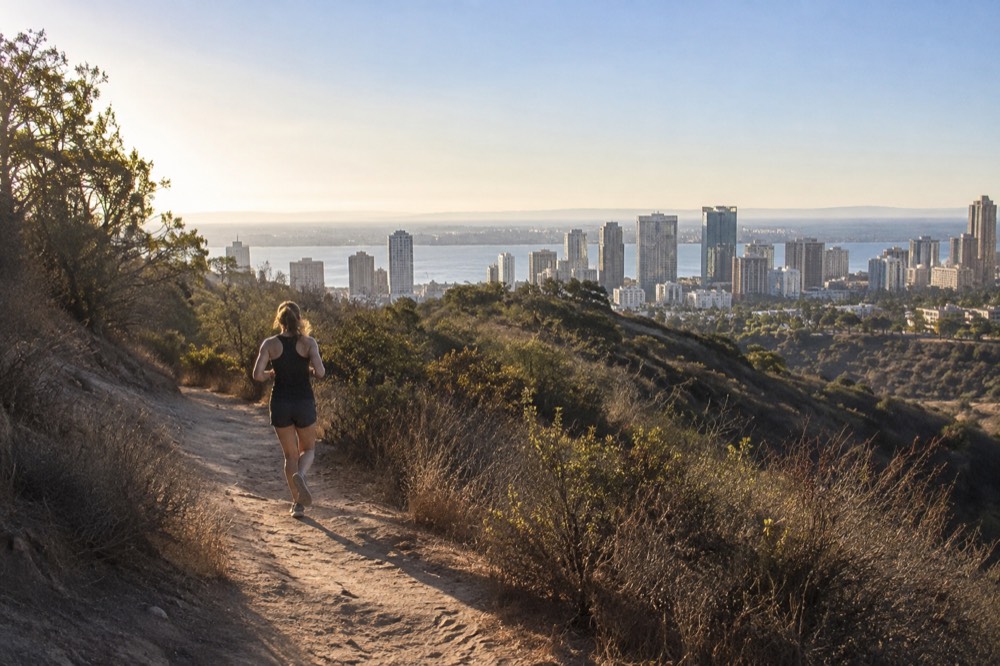
The second thing locals know is the calendar. December Nights, the park's big December festival, transforms the whole mesa with lights, food stalls and free and discounted museum evenings, and it is simultaneously the park's best event and its most crowded weekend. If you are in San Diego in December, plan around it deliberately, either in or out. The rest of the year, the park's rhythm is quieter: organ Sundays, cottage weekends, and museum-goers threading between them.
The third is food. The park's sit-down options are limited, and locals mostly eat before or after, in Hillcrest to the north or North Park to the northeast, both a short walk or a quick ride away. Packing a picnic for the lawn by the Organ Pavilion or into the gardens is not just tolerated, it is the standard move.
Whether you come for the Zoo, the museums or just the gardens, Balboa Park rewards a plan. Here are the three tours that best cover it, one more time for the road:
Common Questions About Balboa Park
What is Balboa Park and why is it the heart of San Diego?
Balboa Park is a large urban cultural park just north of downtown San Diego, holding the San Diego Zoo, more than a dozen museums, several theaters, and free gardens and trails. The grounds cost nothing to enter, and the concentration of institutions makes it the cultural center of the city.
What are the best things to do in Balboa Park?
The best things to do are the San Diego Zoo, the free Botanical Building and Lily Pond, the Japanese Friendship Garden, the San Diego Museum of Art, the Fleet Science Center for families, and the free Sunday organ concerts at the Spreckels Organ Pavilion.
How much does it cost to visit Balboa Park?
The grounds and gardens are free. Museums run roughly $25 per adult, Zoo admission is $76 on Any Days and $73 on Value Days online, and the Balboa Park Explorer Pass costs $66 to $78 depending on tier. A gardens-only day can cost nothing beyond parking and food.
Where do you park at Balboa Park, and how much does it cost?
Parking is paid now at $8 to $16 per day depending on lot and residency, with non-residents paying the higher rate. City Council has approved removing paid parking entirely on 1 January 2027, after which the lots become free. Arrive before 10:00 am for the best availability, and use the free park tram from the outlying lots.
Are Balboa Park museums free on Tuesdays?
Only for residents of the City and County of San Diego and active military with ID showing an address. It is a residency benefit, not a visitor perk, the rotation changes museum to museum, and there is no program in December. Visitors should plan on regular admission.
How much time do you need at Balboa Park?
Half a day covers the gardens plus one museum. A full day is the minimum if the Zoo is on your list, and two days let you do the Zoo and the museum cluster without rushing. Mornings are the best hours: easier parking, thinner crowds and active animals at the Zoo.