Is Mission Valley a Nice Part of San Diego?
An honest look at Mission Valley: what it is good for, where it falls short, and whether it deserves a place in your San Diego trip.
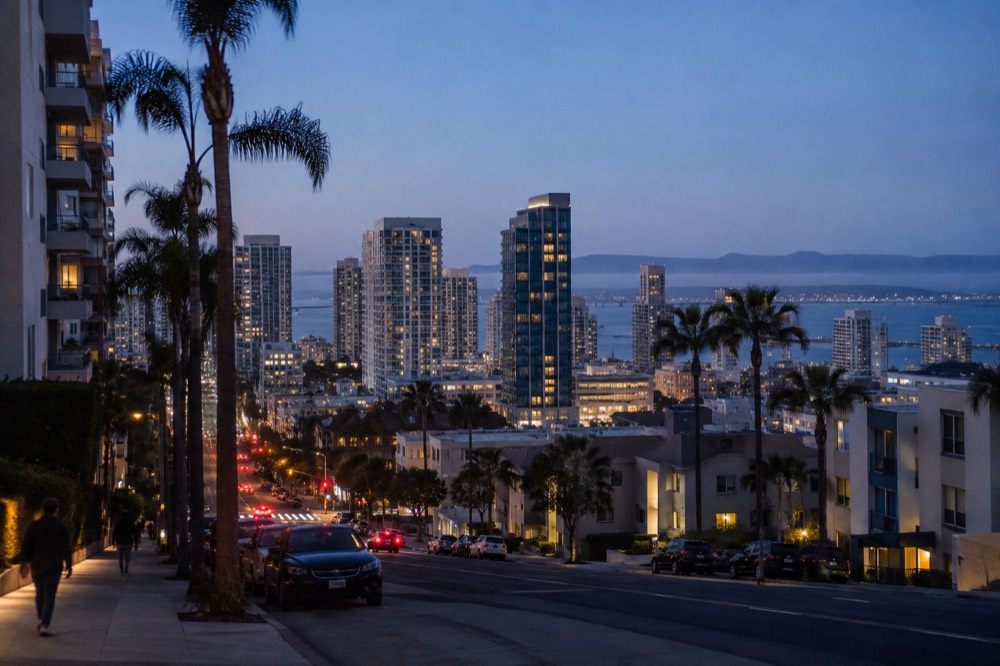
Is Mission Valley a Nice Part of San Diego?
Yes, in a specific and limited sense: Mission Valley is a convenient, well-connected base with dense hotel inventory, big-box shopping and straightforward freeway access, and it is a genuinely practical place to sleep and rent a car from. What it is not is charming, walkable in the way travelers mean when they say walkable, or a destination anyone visits for its own sake. It is a launchpad, and a good one, not a neighborhood with a personality you will remember.
Mission Valley is the flat river plain east of Old Town, and for most of San Diego's history it was exactly that: the valley of the San Diego River, prone to flooding, with a mission and a lot of dairy land. The freeways and the malls changed it. Today it is where San Diego puts things that need space and parking: two of the region's biggest shopping centers, a long row of hotels at every price point, office towers, stadium-era big-box retail and the roads that tie it all together.
The honest way to answer the question is to split it. If "nice" means pleasant to walk around in, with atmosphere, history and a scene, the answer leans no. If "nice" means affordable, central and painless as a base, the answer leans yes, with real caveats about traffic and flood-plain geography. This article walks through what the area does well, where it falls short, and who it actually suits.
What Is Mission Valley Known For?
Mission Valley is known for three things: shopping, hotels and location. It holds two of the largest malls in the county, one of the densest concentrations of hotel rooms in the region, and a position that puts the airport, downtown, the beaches and the zoo all within a short drive. It is also the historic site of Mission San Diego de Alcalá, the first Spanish mission in California, which sits at the valley's east end and is the one genuinely atmospheric spot in the area.
The shopping is the anchor. The valley's malls draw from across the county, and the retail stretch along Friars Road and Mission Center Road is where a lot of San Diego does its practical buying. If your trip involves picking up gear, clothes or anything you forgot to pack, this is the easiest place in the city to do it, with free parking that downtown cannot offer.
The hotels are the other anchor. Because the valley was built around cars, it absorbed a huge amount of lodging stock, and rates here generally sit below comparable rooms in the Gaslamp, on the bay or in La Jolla. Travelers who plan to be out all day, at the zoo or the beaches or Balboa Park, and who only need a clean room and a pool, often land here. Our guide to where to stay in San Diego breaks down how the valley compares with the neighborhoods travelers actually visit for fun.
The mission itself deserves more attention than it gets. Mission San Diego de Alcalá is the founding mission of the California chain, and it is a calm, shaded, historic compound a world away from the freeway noise a mile west. It is the single best answer to the question in this article's title: the valley does hold something genuinely nice, it is just easy to drive past it.
If you are basing yourself here and planning the classic sightseeing days, these are the three experiences past Mission Valley guests book most:
Is Mission Valley a Good Place to Stay?
For many travelers, yes: it is one of the best value bases in San Diego, with quick freeway access to everything, a trolley line through the middle, and hotel prices below the waterfront districts. The trade-offs are real: it is not a place to wander in the evening, restaurant choice outside the malls is ordinary, and you will drive or ride for every beach, park and attraction. Treat it as a room with great roads attached, not as a destination.
The case for staying here is logistics. The valley sits at the junction of the region's main freeways, which means the zoo and Balboa Park, downtown, La Jolla and even the Mission Bay beaches are all reachable without crossing the whole city. The trolley runs through the valley, and the fare math is friendly: a one-way ride is $2.50 and a day pass $6.00, with the PRONTO system capping fares automatically once your rides add up to the day-pass value, so there is no reason to buy a pass up front. The official MTS fare chart has the full breakdown.
The case against is character. Evening in Mission Valley means mall restaurants, hotel bars and chain food, and the valley's wide roads are hostile to the kind of casual strolling that makes a stay in Little Italy or the Gaslamp feel like a vacation. Travelers who want to end each day with a walk, a sunset and a choice of dinner spots within a few blocks should read our comparison of Little Italy or the Gaslamp Quarter instead.
Here is the honest scorecard, neighborhood by neighborhood:
| Question a traveler asks | How Mission Valley scores |
|---|---|
| Hotel value for money | Strong: one of the best room rates in the city for the location |
| Getting to the zoo and Balboa Park | Very good: 10 to 15 minutes by car in normal traffic |
| Getting to the beaches | Good: a 15 to 20 minute drive to Mission Bay, longer to La Jolla |
| Evening atmosphere on foot | Weak: mall and hotel dining, wide roads, little to stroll |
| Restaurant scene | Ordinary: solid chains, a few good locals, no destination dining |
| Parking at your hotel | Usually free or cheap, a real advantage over downtown |
| Public transit access | Good: trolley through the valley connects to downtown and the border |
The verdict that falls out of that table: Mission Valley suits families with a rental car, travelers on a budget who will spend their days elsewhere, and anyone whose priority is a pool and a parking space. It does not suit travelers without a car who want nightlife at the door, or anyone who pictures San Diego as a walkable beach town, because this stretch of it is not that.
What Are the Downsides of Mission Valley?
The three honest downsides are traffic, flood-plain geography and a lack of anything to do after dinner. Friars Road and the freeway interchanges jam hard at rush hour, the valley floor is the San Diego River's historic flood zone, which is why the land stayed undeveloped for so long, and the evening scene is thin enough that most visitors drive somewhere else for food and drinks. None of these are dealbreakers, but all three shape how you should plan a stay here.
Traffic is the one every local will mention first. The valley's roads carry commuters crossing the region, shoppers heading to the malls and hotel guests all at once, and the rush-hour experience is genuinely bad, not just big-city normal. If your day plan involves driving west to the beaches at 5 pm on a Friday, budget patience. The trolley is the escape hatch: it bypasses the road congestion entirely, and the practical move is to use it for downtown trips and save the car for the places it cannot reach.
The flood-plain point is less about danger, the channelized river and modern drainage manage it, and more about why the valley looks the way it does. Land that floods does not become a charming old streetcar neighborhood; it becomes malls and hotels and wide roads. That is the structural reason Mission Valley cannot offer what Old Town, a mile west, offers by accident. Our Old Town guide covers that district, and it is close enough that a Mission Valley base can borrow its atmosphere for an evening.
The evening problem has a workable answer: leave. Downtown, the Gaslamp and Little Italy are a short trolley or rideshare trip away, and the whole point of the valley's location is that the parts of San Diego you actually want to be in at night are nearby. Plan dinners out, treat the hotel as a base, and the weakness mostly disappears.
How Do You Get Around from Mission Valley Without a Car?
You can manage well, with limits: the trolley runs through the valley and links it to downtown, Old Town, the border and the university, and the bus network fills some gaps. The fare is $2.50 one way or $6.00 for a capped day of riding. The limit is the beaches and Balboa Park, which need a bus transfer or a rideshare, so a fully car-free stay here works but takes more planning than the same stay downtown.
The trolley is the backbone. A valley station puts you a short ride from downtown, where the waterfront attractions cluster, and the transfer points at Old Town and downtown connect the rest of the network. Youth 18 and under ride free on the Youth Opportunity Pass, and up to two children aged 5 and under travel free with a paying adult, which softens the math considerably for families.
The classic car-free half day from a Mission Valley base is the Embarcadero. Ride the trolley downtown, walk the waterfront, and spend a few hours aboard the USS Midway. The USS Midway Museum Entry Ticket covers the aircraft carrier that anchors the downtown waterfront, and the museum's own hours run 10:00 am to 5:00 pm with last admission at 4:00 pm, so a morning trolley ride down lands you with a comfortable margin. Guests consistently describe the flight deck and the restored aircraft as the highlight, and the museum is large enough that you should not plan much else for the afternoon.
The beaches are where car-free gets harder. None of the beach neighborhoods sit on the valley's trolley spine, so you are looking at a bus with a transfer or a rideshare. It is doable, and budget travelers do it, but if your ideal San Diego day is two hours on the sand, a rental car from a valley hotel earns its cost quickly. If you are weighing the whole trip, our piece on whether it is cheaper to fly or drive to San Diego runs the numbers on bringing a car versus renting one.
Is Mission Valley Safe for Visitors?
Yes, in the way that matters for travelers: it is a commercial hotel district with heavy foot traffic, well-lit mall and hotel zones and no pattern of incidents aimed at tourists. The ordinary precautions apply, mainly around parked-car property crime in big lots and the usual care near bars late at night, but visitors do not need to treat the area differently from any other US hotel corridor.
The honest caveat is that parts of the valley's edges are less polished than the hotel rows, so stick to the main stretches after dark.
The area's character works in its favor here. Hotel districts with constant traffic, security presence and 24-hour front desks are, as a category, low-drama places, and the valley is squarely in that category. The malls and their garages are busy and monitored. For a broader picture of safety across the city, including which areas reward more care after dark, our is San Diego safe guide covers the whole city rather than one district.
Two practical notes. Parking-lot property crime is the most common visitor-facing issue in any big retail zone anywhere in the country, so keep bags out of sight in the car, the same advice that applies at the zoo or the beach. And the river paths through the valley are pleasant in daylight but are not where you want to be walking alone at night, which is true of urban river paths generally.
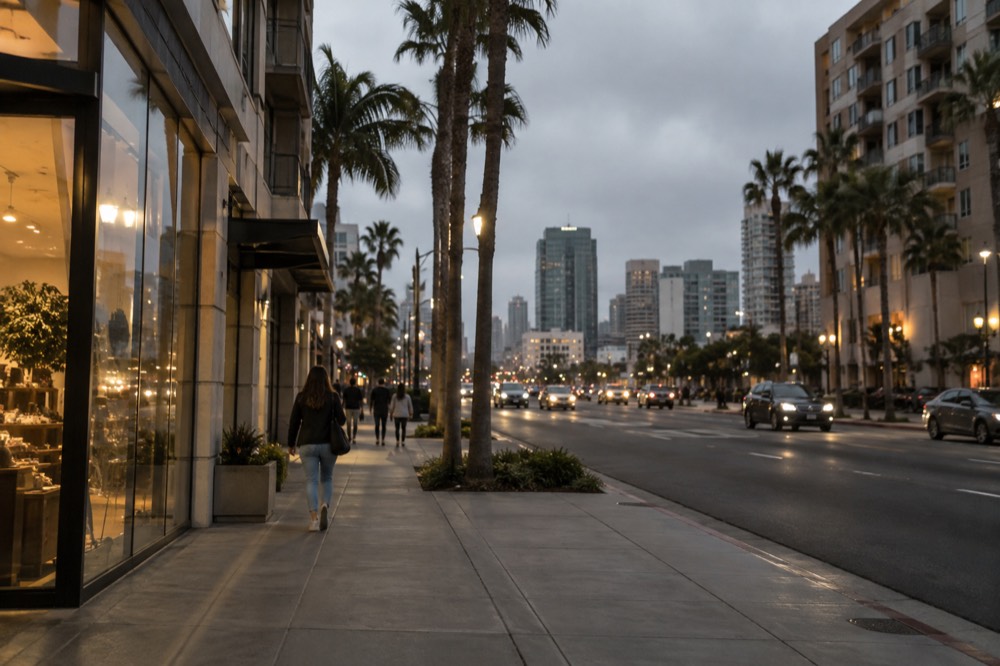
Who Should Stay in Mission Valley, and Who Should Not?
Stay in Mission Valley if you want the cheapest well-located room in San Diego, you will have a car, and your days belong to the zoo, the beaches, Balboa Park and day trips. Skip it if you are car-free and crave atmosphere, or if your trip is short and you would rather pay more to wake up inside the postcard. It is the right answer for maybe a third of San Diego visitors, and the wrong one for the rest.
The profile that fits is a family mid-trip: kids in the pool at night, car in a free space, zoo in the morning, beach in the afternoon, budget intact. It also fits long-stay travelers and anyone in town for work at the valley's offices or the stadium corridor, who need the freeway access more than the charm. The City of San Diego's parking FAQ is worth a read before you assume free parking everywhere, since enforcement rules changed recently, but hotel parking in the valley remains a real advantage over downtown.
The profile that does not fit is the first-time visitor on a two or three night trip. With only a few evenings, paying more to stay in the middle of the Gaslamp or on the bay buys time and atmosphere that a valley commute eats. If that is you, start from our first time in San Diego guide instead of the hotel price sort.
One timing note that applies wherever you sleep: San Diego's real summer is September, when the normal high sits at 77.2F, above July's, the ocean is near its warmest at a mean of 67.6F, and the coastal crowds of July have gone. A valley hotel pool in September is a better product than the same pool in June, when the marine layer locals call May Gray and June Gloom can grey the coast while inland stays clear, and the valley sits far enough inland to see the sunny side of that split.
The Honest Verdict
Mission Valley is nice the way an airport's best hotel row is nice: clean, safe, convenient and priced to let you spend your money on the rest of the city. It is not nice the way La Jolla or Coronado is nice, and pretending otherwise would misserve you. Book it for value and logistics, plan your evenings elsewhere, and it will do exactly what a good base is supposed to do, which is disappear into the background while the actual trip happens.
That is the whole answer. The people who regret Mission Valley are the people who expected a neighborhood and got a corridor. The people who love it are the people who expected a corridor and used it as one. Set expectations correctly and the question answers itself, and if your budget points you here, the money you save buys a whale watch, a harbor cruise or a very good dinner downtown, which is a trade most travelers should take.
These are the three bookings that pair best with a Mission Valley base:
For more on the city as a whole, including the neighborhoods worth visiting on a day out from your base, browse Things to Do in San Diego and build the rest of the trip around the valley's one great asset: everything is close.
Common Questions About Mission Valley
is mission valley a nice part of san diego?
It is nice as a base, not as a destination. Mission Valley offers some of the best hotel value in the city, quick freeway access to the zoo, the beaches and Balboa Park, and a trolley line through the middle. It offers very little atmosphere, walkable evening life or destination dining. Travelers who use it as a launchpad tend to be happy with it; travelers who expected a charming neighborhood tend not to be.
Is Mission Valley safe at night?
The hotel rows and mall zones are well-lit, busy and monitored, and there is no pattern of incidents targeting visitors. Take the ordinary precautions around parked cars in big lots, and stick to the main commercial stretches after dark rather than the river paths.
Can you stay in Mission Valley without a car?
Yes, with planning. The trolley connects the valley to downtown, Old Town, the border and the university for $2.50 one way, with fares capped at the day-pass value. The beaches and Balboa Park need a bus transfer or a rideshare, so a fully car-free stay works but is less convenient than staying downtown.
Is Mission Valley cheaper than staying downtown?
Generally yes. The valley holds one of the densest hotel inventories in the region, built around cars and free parking, and room rates typically sit below comparable downtown, bayfront or La Jolla properties. The trade is atmosphere: you will travel somewhere else for evenings out.
What is there to actually do in Mission Valley?
Shop, eat at the malls, and visit Mission San Diego de Alcalá, the first Spanish mission in California, which sits at the valley's east end and is the one genuinely historic and atmospheric spot in the area. Everything else San Diego is famous for is a short drive or trolley ride away.