What Is the Best Coffee in San Diego?
A neighborhood-by-neighborhood answer to where the best coffee in San Diego actually is, how locals order it, and how to build a day around it.
What Is the Best Coffee in San Diego?
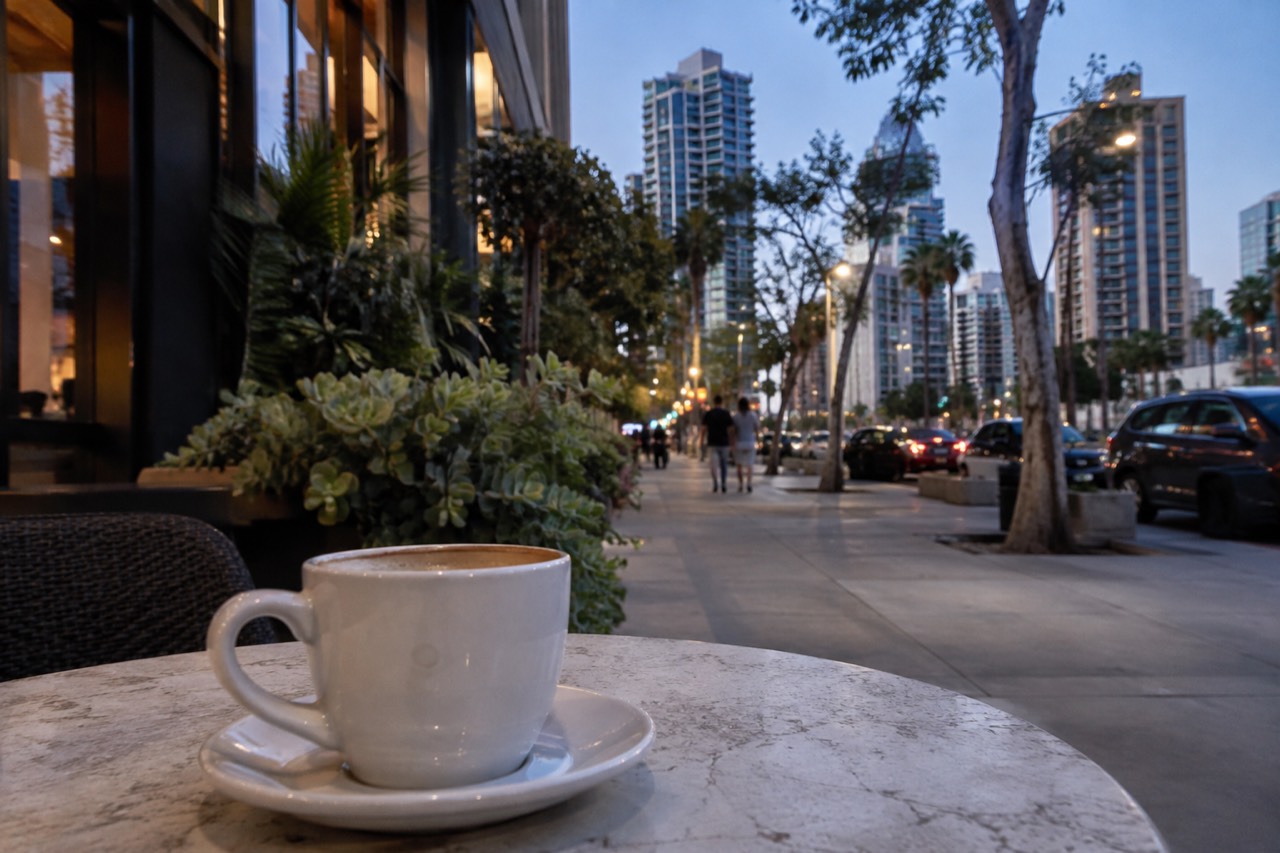
The honest answer is that there is no single best cup, because San Diego's coffee is a neighborhood story rather than a one-shop story. The strongest concentration of independent roasters and cafes sits in North Park, with Little Italy, Hillcrest and the Gaslamp Quarter each holding their own reliable cluster. If you force a single answer, most local conversation lands on North Park's University Avenue corridor, where the city's specialty coffee culture grew up and still runs deepest.
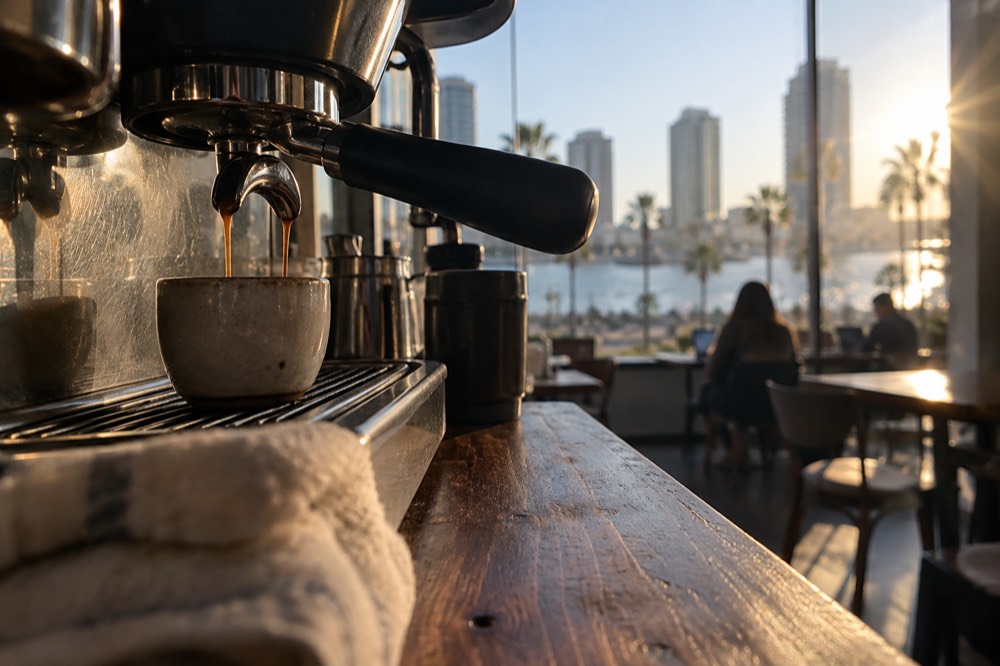
That answer surprises people who expected a single famous name. San Diego does not have one iconic cafe the way some cities do. What it has instead is a dense scatter of small roasters and independent espresso bars, most of them within a short walk or trolley ride of one another, and a culture that treats coffee as a morning destination rather than a fuel stop.
The city's layout helps. The neighborhoods with the best coffee, North Park, Little Italy, Hillcrest and parts of Downtown, sit along or near the trolley and bus spine, so a coffee crawl between them costs very little in time or money. The MTS fare chart lists a one-way bus or Trolley fare at $2.50 with two-hour transfers, and the PRONTO fare system caps what you pay at the day-pass value automatically, so there is no reason to buy a day pass up front if you are riding to cafes.
The other thing to know before you start walking: the marine layer. Locals call the grey coastal mornings of late spring May Gray and June Gloom, and the pattern is visible in the 30-year temperature normals themselves, where June's normal high of 71.7°F sits below October's 74.6°F. Coffee weather, in other words, is a real concept here, and the grey months are when the city's cafes feel most alive.
Which Neighborhoods Have the Best Coffee in San Diego?
North Park is the center of gravity for specialty coffee in San Diego, anchored by the University Avenue corridor and the side streets around it. Little Italy is the best neighborhood for a single-block coffee crawl, Hillcrest carries a strong daytime cafe culture, and the Gaslamp Quarter is where you will find the most convenient downtown options near your hotel. Coronado and La Jolla are thinner on independent roasters but hold dependable neighborhood cafes.
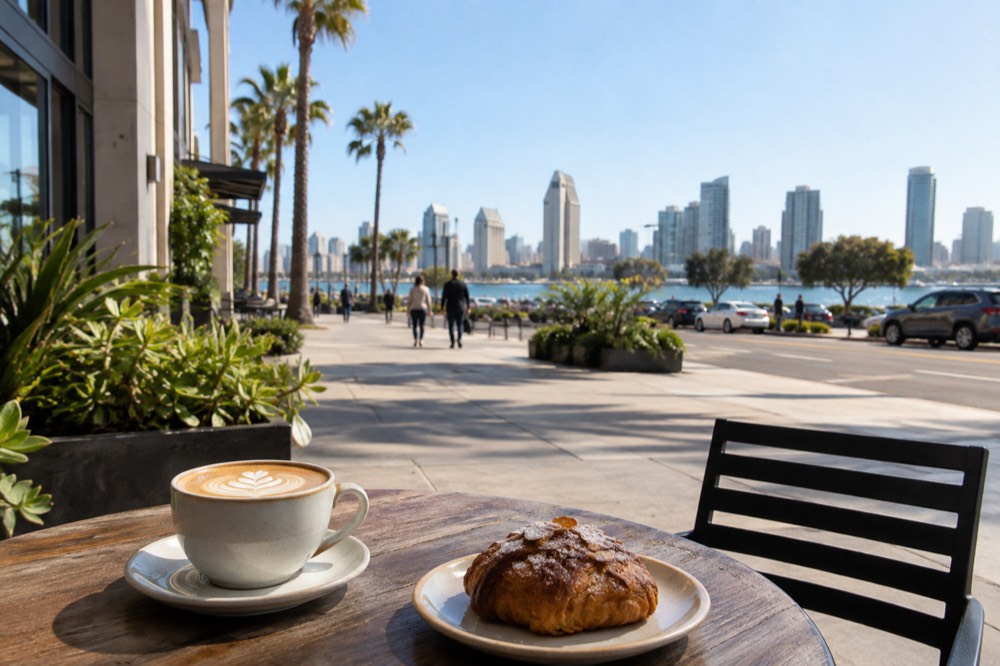
North Park earned its coffee reputation the way most coffee neighborhoods do, through density. Walk University Avenue and the blocks just off it and you pass several independent shops within a few minutes of each other, each with its own roast preference and its own regulars. The neighborhood is also where the city's broader food and drink identity is loudest, which makes a coffee walk here feel like a real outing rather than an errand. Our North Park neighborhood guide covers the streets worth lingering on.
Little Italy plays a different role. It is compact, walkable and sits on the trolley's Blue Line, so it is the easiest coffee stop in the city for a traveler without a car. India Street and its side blocks hold enough cafes, bakeries and pastry counters that you can try two or three in a single slow morning. It is also the neighborhood where coffee most naturally pairs with a second activity, because the Little Italy food and drink walking tour territory and the weekly farmers market crowd overlap with the cafe strip.
Hillcrest is the daytime option. It has the kind of cafes where people settle in with a laptop for two hours, and its blocks connect uphill toward Balboa Park, which sets up the classic San Diego morning: coffee first, then the park gardens, which are always free to walk.
Downtown and the Gaslamp Quarter hold the most hotel-adjacent options, and the quality is better than the neighborhood's nightlife reputation suggests. The tradeoff is price and speed rather than quality; this is convenience coffee, best on the morning you need to be somewhere. Our Gaslamp Quarter guide explains how the district changes character between morning and night.
| Neighborhood | Coffee character | Best for |
|---|---|---|
| North Park | Densest cluster of independent roasters and espresso bars | A dedicated coffee crawl, weekends |
| Little Italy | Compact cafe and pastry strip on the Blue Line | A quick multi-stop morning, travelers without a car |
| Hillcrest | Settle-in daytime cafes near Balboa Park | Working mornings, pairing coffee with a park walk |
| Gaslamp Quarter | Convenient downtown options near hotels | The morning you need to be somewhere fast |
| Coronado | Dependable neighborhood cafes, fewer roasters | Coffee with a beach or ferry day |
| La Jolla | Scattered cafes near the coast | Coffee before kayaking or the Cove |
If you want to cover several of these in one day without driving, the two-day Hop-on Hop-off Narrated Trolley Tour loops past the downtown clusters and lets you jump off where the coffee is, which beats hunting for parking in the neighborhoods. Check availability
How Do You Order Coffee Like a Local in San Diego?
Order at the counter, ask what the house roast is, and do not be shy about asking for the roast date, because the city's better shops will tell you without hesitation. Cold coffee is the local default in warm months, so cold brew and iced espresso drinks move faster here than in most American cities. If a shop offers a single-origin pour-over, that is usually where the roaster shows its best work.
The single most useful question in any San Diego cafe is a simple one: what is the house espresso? Most independent shops here roast or feature a specific blend they have dialed in, and the baristas will talk about it. Asking also signals that you care, which tends to improve the cup you get.
Cold drinks deserve special mention. August's normal high is 77.3°F and September's is 77.2°F, both warmer than July's 75.3°F, so the hot half of the year is longer than visitors expect and it starts later. Iced drinks are not a compromise order in San Diego, they are the native format, and the better shops treat them that way.
One habit worth importing from the locals: take your cup outside. The city's climate normals show August averages one hundredth of an inch of rain and zero days of measurable rain, and December through March carry most of the year's rain, which means for a large part of the year a sidewalk table is the best seat in any cafe.
What Is the Best Way to Spend a Coffee-fueled Day in San Diego?
Start in Little Italy or Hillcrest while the marine layer still holds, walk your first two cafes on foot, then move to a trolley loop through Downtown and end in North Park for an afternoon roast. The pattern works because the coffee neighborhoods sit close together on transit, and because the grey morning burns off toward midday, so the outdoor parts of the day improve as the hours pass. It costs almost nothing in fares if you pay with PRONTO.
A morning built this way has a logic to it. The marine layer is thickest at the coast in the early hours, so a cozy indoor cafe is exactly where you want to be at 8 am anyway. By late morning the grey usually lifts, which is when you want to be walking North Park's blocks or heading toward a park or a waterfront. More of these guides are collected on Things to Do in San Diego.
The transit math is friendly. A one-way MTS fare is $2.50 with transfers, and contactless payment works for single rides, though only the PRONTO card or app caps your spending at the day-pass value. Youth 18 and under ride free, which makes the same loop a genuinely cheap family morning. The getting around San Diego guide breaks down the trolley lines if you want to extend the day.
If you would rather let someone else handle the route, two formats pair naturally with a coffee day. The 2-Hour GoCar Tour of Downtown and Old Town or the beaches lets you steer your own route between neighborhoods, and the USS Midway Museum on the Embarcadero makes an easy afternoon anchor after a North Park morning, since the USS Midway Museum entry ticket is a short waterfront walk from the downtown coffee cluster.
When Is the Best Time of Year for Coffee in San Diego?
Any month works, because cafe weather here is close to a year-round condition, but the shoulder months are the sweet spot. September is the city's real summer, with a normal high of 77.2°F and the warmest ocean water after August, yet it is one of the quietest months at the major attractions, which means shorter cafe lines and easier sidewalk tables. The grey-coast months of May and June are peak indoor-coffee season.
The September point is the one most visitors miss. The 30-year normals put September's afternoon high above July's by nearly two degrees, and the coastal grey that defines spring is gone by then, so a September morning coffee walk happens under clear skies while the city itself is at its calmest. Across recent years, September has been the single lowest visitation month at Cabrillo National Monument compared with July, a gap of roughly 48 percent, and that quiet shows up across the neighborhoods too.
Winter is underrated for a different reason. Rain is concentrated from December through March, but even those months average only three to four days with measurable precipitation each, so a coffee day rarely washes out entirely. The shops are warm, the crowds are thin, and the marine layer makes an espresso taste exactly right.
Where Should You Avoid Settling for Bad Coffee?
The places to be skeptical of are the pure-convenience locations, the airport corridors, the stadium-adjacent counters and anything selling only pre-packaged pastries with no visible espresso grinder. The reliable signal in San Diego is a shop that roasts its own beans or names the roaster it buys from, and any cafe that will not tell you the roast date is telling you something anyway. Hotel lobby coffee is the one to skip first.
The good news is that the failure cases are easy to spot once you know the pattern. A real specialty shop grinds to order, pulls shots from a machine someone cleans, and puts the roaster's name on the bag or the chalkboard. A tourist-convenience counter does none of those things, and it charges close to the same price, which makes the two-minute walk to a better cup one of the easiest upgrades of any San Diego morning.
The other trap is assuming the beach neighborhoods have weak coffee. They have less of it, and it is more spread out, but the neighborhoods are small enough that a short walk inland from the sand almost always finds something better than the boardwalk counter. If you are planning a wider trip, our free things to do in San Diego guide pairs well with a morning built around walkable coffee stops.
One planning note for drivers: downtown meters run $2.50 per hour with enforcement generally Monday to Saturday, and Sunday is no longer free everywhere in commercial areas, so transit beats parking on a multi-cafe day. The city's parking FAQ is the source to check before you drive.
Common Questions About Coffee in San Diego
what is the best coffee in san diego?
The best coffee in San Diego is a neighborhood answer rather than a single shop. North Park holds the densest cluster of independent roasters, Little Italy is the easiest compact crawl on transit, and Hillcrest carries the strongest settle-in daytime cafe culture. Ask for the house espresso and the roast date wherever you land.
Which San Diego neighborhood has the most coffee shops?
North Park, along the University Avenue corridor and its side streets, has the densest concentration of independent roasters and espresso bars in the city. Little Italy packs more cafes into a smaller walkable block, which makes it the better choice for a short visit.
Is coffee in San Diego expensive?
Specialty coffee in San Diego prices similarly to other large California cities, and this site does not quote cafe prices because they change often and vary by shop. The transit side of a coffee crawl is the cheap part: a one-way MTS fare is $2.50 with transfers, and PRONTO caps your daily total automatically.
What coffee drink should I order in San Diego?
Cold drinks are the local default in the warm months, so cold brew and iced espresso are treated as serious orders here, not compromises. If the shop offers a single-origin pour-over, that is usually where the roaster shows its best work. Ask what the house espresso is and order that first.
When is the best time of year for a coffee crawl in San Diego?
September is the sweet spot: the normal high of 77.2°F makes it one of the warmest months, the marine layer has lifted, and the city is at its quietest after summer. May and June are peak indoor-coffee season thanks to the grey coastal mornings locals call May Gray and June Gloom.
Can I do a coffee tour of San Diego without a car?
Yes, and it is the better way. The main coffee neighborhoods sit on or near the trolley and bus spine, a one-way fare is $2.50 with two-hour transfers, and PRONTO caps your spend at the day-pass value. The two-day hop-on hop-off trolley tour is the other car-free option if you want narration between stops.