San Diego Botanic Garden: What to Expect, When to Go and How to Plan Your Visit
The San Diego Botanic Garden sits in Encinitas, in coastal North County, and it rewards a slow pace: themed plantings, shaded trails and a quiet that downtown San Diego rarely offers. This guide covers how to get there, what a visit actually involves, the best months to go, and how to build a full day around it.
Short answer
The San Diego Botanic Garden is a planted, trail-driven garden in Encinitas, in coastal North County. Buy tickets through the garden's own site, allow at least half a day, and pair the visit with an Encinitas beach or a Carlsbad stop. Coastal mornings run grey in May and June, so an afternoon arrival often gives you the better light.
The San Diego Botanic Garden is the kind of place that catches visitors by surprise. Most people arrive in San Diego expecting beaches, a famous zoo and a waterfront aircraft carrier, and they leave having discovered that the county's plant life deserves an afternoon of its own. The garden sits in Encinitas, a laid-back coastal town in North County, and it pairs a cultivated, themed-planting experience with the loose, unhurried feel that defines this stretch of coast. If you are building a trip around the ideas on Things to Do in San Diego, this is the page to read before you drive north.
Where Is the San Diego Botanic Garden and What Is It?
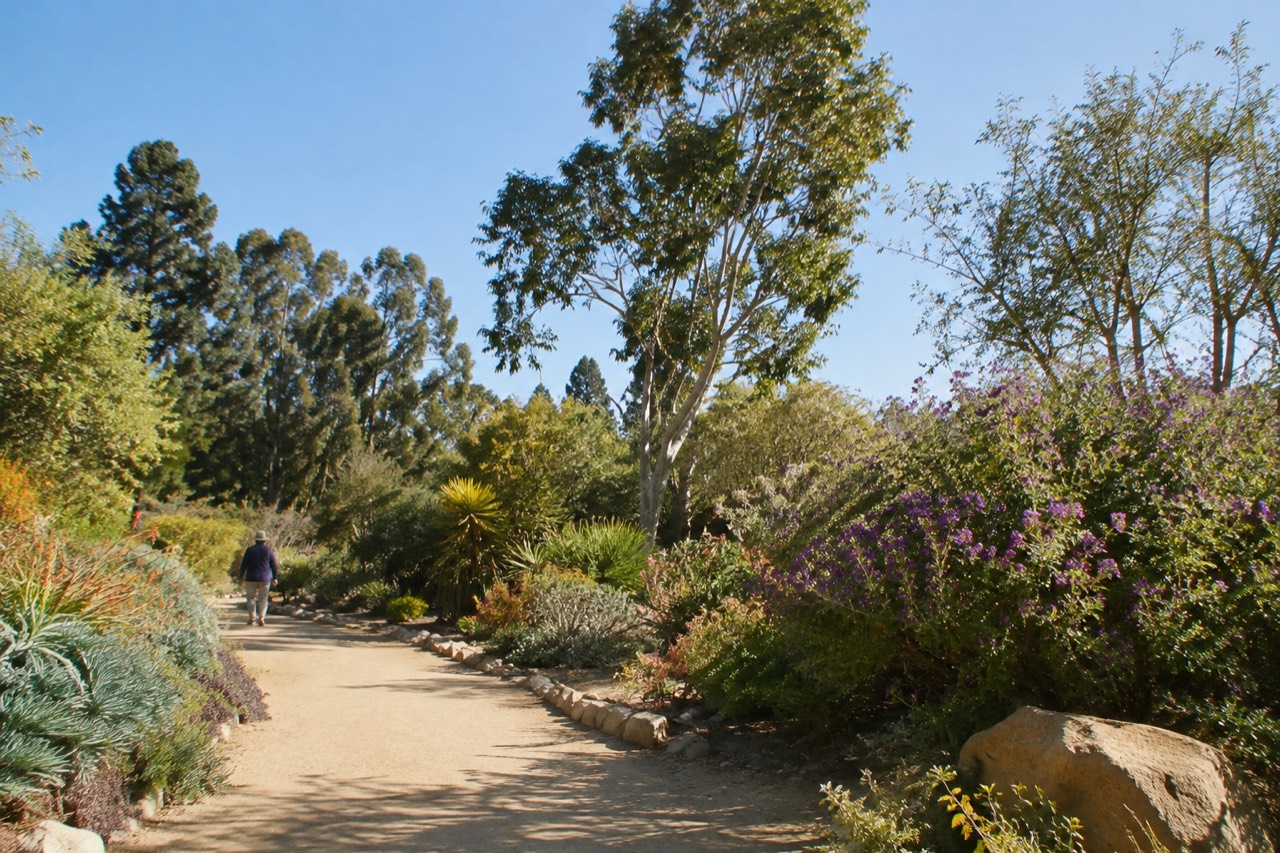
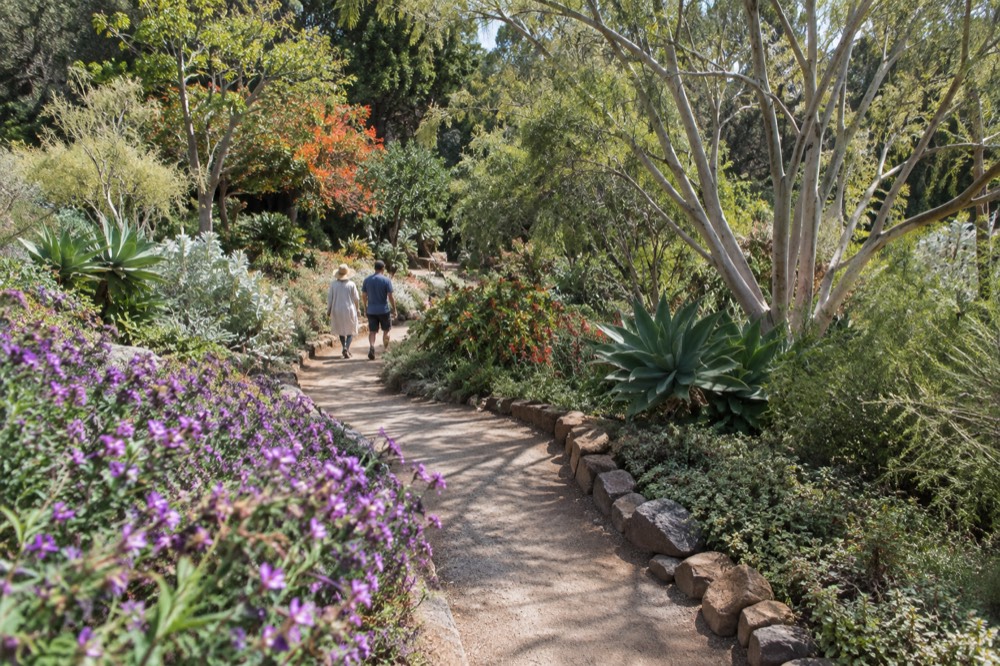
The San Diego Botanic Garden is a curated garden of themed plantings and walking trails in Encinitas, a coastal town in northern San Diego County, roughly a half-hour drive up the coast from the downtown core. It is a destination in its own right rather than a stop on a downtown loop, which is exactly why it feels different from the waterfront attractions most first-time visitors cluster around. You come here on purpose, and the garden rewards that intention with quiet paths and shade.
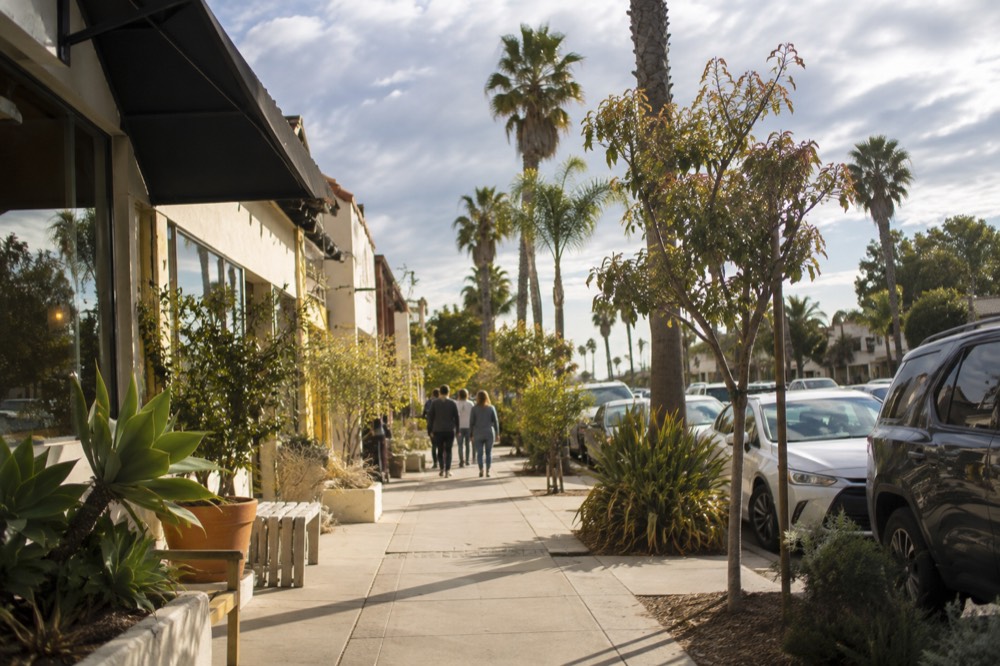
Encinitas is one of the county's most easygoing neighborhoods, a place of surf shops, nursery benches and small taco counters, and the garden fits that character. Where Balboa Park packs museums, theaters and a zoo into one busy mesa, the botanic garden does one thing: plants, arranged thoughtfully, with room to walk among them. That single-purpose quality is its appeal. A visit here is slow by design. You wander, you pause, you notice things, and you leave calmer than you arrived.
Because the garden is a living collection, it changes with the seasons and with the weather, and the coastal climate does a lot of quiet work here. The mild, frost-free conditions that make San Diego famous for its outdoors also mean the garden has a long growing season, with different plants taking their turn at center stage through the year. Check the garden's own website before you go for current hours, admission and any seasonal events or closures, since those details sit on the operator's page rather than in any general guide.
If your trip is anchored downtown, think of the garden as a North County excursion, the same way you would treat a day in Carlsbad or a coastal drive. It combines naturally with the beaches and small-town strips of the area, and it makes a satisfying counterweight to the high-energy attractions farther south.
How Do You Get to the San Diego Botanic Garden?
Driving is the straightforward way to reach the garden: Encinitas sits on the coastal corridor north of downtown, and the drive up passes through some of the county's best scenery. Transit is possible but slower, since the garden sits in a residential part of Encinitas rather than on a rapid-transit spine. Most visitors either rent a car for the day, use a rideshare, or fold the garden into a wider North County loop so the drive earns its keep.
For context on transit costs: the regional MTS system charges $2.50 for a one-way ride with two-hour transfers, and a day pass is $6.00, per the official fare chart at the MTS fare page. That fare covers buses and the Trolley network, which is excellent downtown and along its lines, but the Trolley does not reach Encinitas, so a purely transit-based trip to the garden involves regional connections and a walk at the far end. It can be done, but it is a project, and most travelers decide the time is better spent elsewhere.

Parking at the garden itself is managed by the venue, so check its site for the current arrangement before you go. What we can say honestly, because it is the biggest practical question visitors have, is that parking in San Diego generally rewards an early start: street and lot parking near the coast fills fastest on weekends and summer afternoons, and posted signs always win over any general advice.
| Option | Best for | What to know |
|---|---|---|
| Rental car | Families, North County loops, garden plus beach days | Most flexible; fold in Carlsbad, Encinitas and the coast |
| Rideshare | Travelers without a car who want a direct door-to-door trip | Simplest option; cost scales with distance from downtown |
| Transit plus connection | Budget travelers with time | $2.50 one-way on MTS, but the Trolley does not reach Encinitas, so expect regional connections and a walk |
| Organized day tour | Visitors who prefer not to drive at all | Lets someone else handle the logistics; check whether the itinerary includes the garden |
One honest note on the rental-car question: if your entire itinerary is downtown and Balboa Park, a car is more trouble than it is worth, and the hop-on hop-off trolley or the Trolley will serve you better. A car starts making sense the moment North County enters your plans, and the botanic garden is a North County plan.
What Should You Expect from a Visit to the Garden?
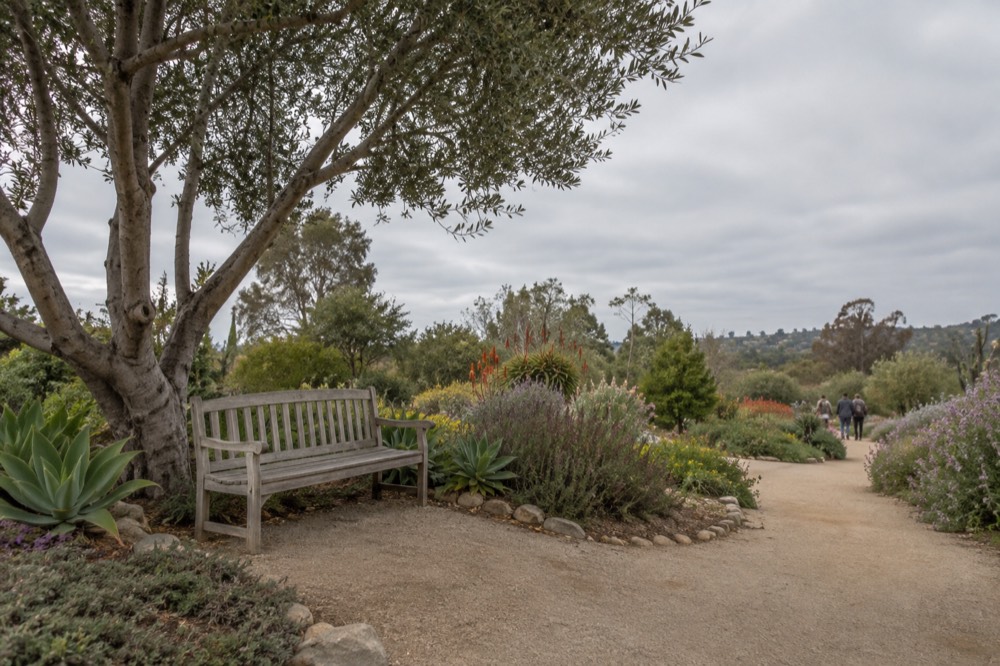
Expect a walking visit built around themed plantings, shade, benches and quiet paths, rather than a ride-based attraction or a museum. The garden asks for a slower pace than almost anything else on a San Diego itinerary, and it delivers a different kind of payoff: color, fragrance, birdsong and the simple pleasure of being outside in a place that was designed for lingering. Most visitors spend a relaxed half day, and families tend to stay longer than they expected.
The experience is self-guided. You move at your own speed along paths that link different planted areas, each with its own character, and the pleasure is in the transitions: sun to shade, open lawn to dense planting, one color palette giving way to another. Wear shoes you would be happy walking in for a couple of hours, and bring water, since shade is generous in parts and thin in others. The garden's own site publishes current hours, admission details and accessibility information, and it is the source to trust for anything operational.
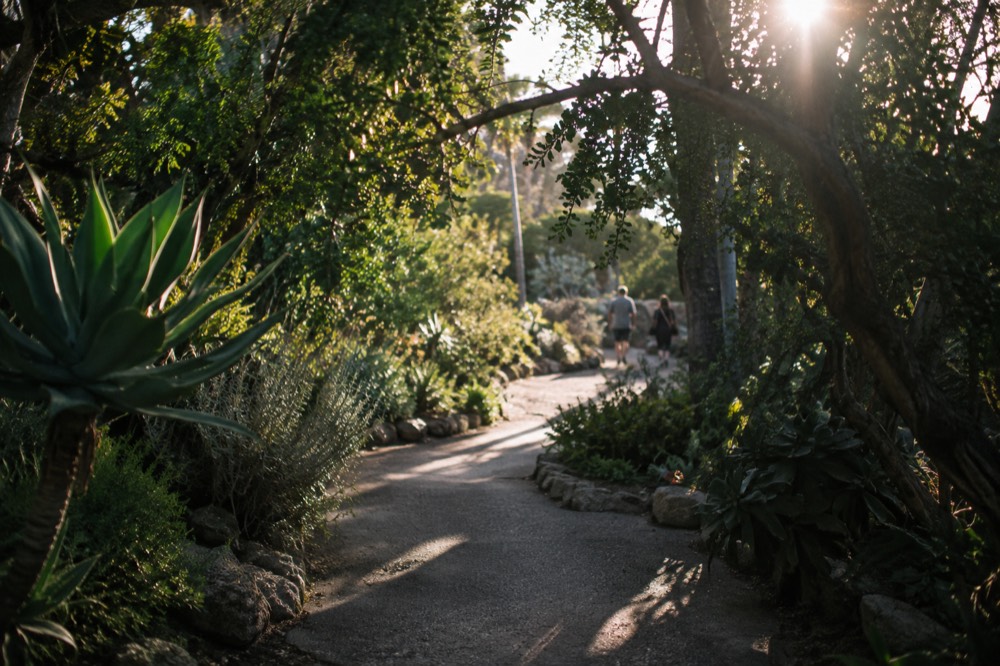
Photographers should plan around the coastal light. Encinitas sits close enough to the ocean that mornings can start grey, especially in late spring, and the light often turns warm and clear by afternoon. That pattern shapes the whole coast, and it is worth building your day around: grey morning for coffee and the town, golden afternoon for the garden.
If the garden is your one quiet day inside a busy trip, you may also be planning the high-energy days around it. These three picks cover the most useful ways to see the city itself:
The trolley is the classic first-day move, the GoCar suits travelers who want to steer themselves, and the USS Midway is the single most popular waterfront attraction in the city. Any of the three pairs neatly with a North County garden day on the same trip, one slow and one fast.
When Is the Best Time of Year to Visit?
Any month works, because San Diego's climate is famously mild, but the sweet spot is late summer into early fall, when the coast is at its warmest and the marine layer has loosened its grip. September's normal high, 77.2F, actually beats July's by nearly two degrees, and the ocean is at its warmest in August at a mean of 68.7F. Spring brings bloom and winter brings rain, so the choice is about weather tolerance more than garden quality.
The climate record for San Diego, published in the 1991-2020 normals at NOAA's US Climate Normals, tells a story most visitors have backwards. July is not the warm month here. August and September are, and June's normal high of 71.7F is lower than October's 74.6F. The reason is the coastal marine layer, the grey blanket locals call May Gray and June Gloom, which sits on the coast in late spring while inland areas stay clear. It burns off, usually by afternoon, but a visitor who books a 9 am garden arrival in June may spend the first two hours under flat white sky.
| Period | Normal high | What it means for a garden visit |
|---|---|---|
| May to June | 69.5F to 71.7F | Morning grey is common; plan an afternoon arrival for the better light |
| July | 75.3F | Warm and popular; crowds peak with summer vacations |
| August to September | 77.3F and 77.2F | The warmest stretch of the year, with the marine layer at its weakest |
| October | 74.6F | Pleasant, quieter after summer, and still fully garden-friendly |
| December to March | 66.0F to 67.0F | Mild but this is the rainy season; December through March carry 7.3 of the year's inches |
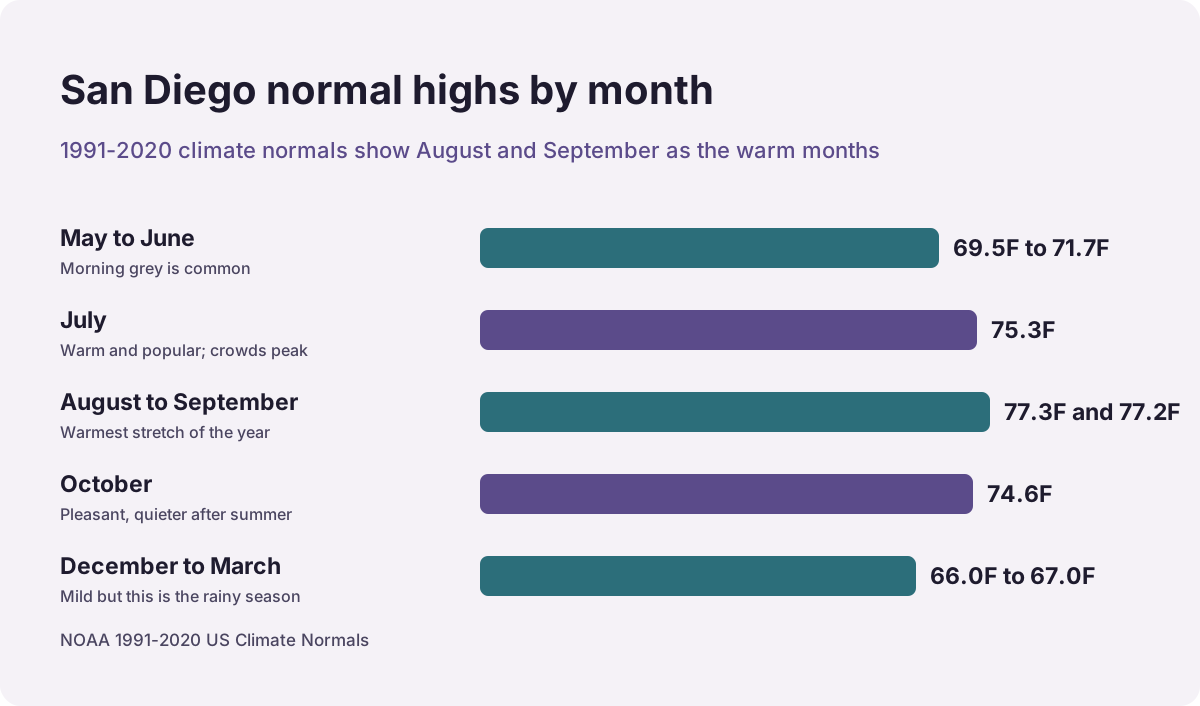
Rain, when it comes, is concentrated almost entirely in winter, and even then a rainy day is the exception rather than the rule. The practical takeaway for a garden visit: you can come any month, but if you have the choice, aim for the September window when the coast is warm, the light is good and the summer crowds have gone home.

If your dates are fixed and your garden day lands in May or June, do not cancel it. Shift it later in the day instead. The grey mornings on this coast are a pattern, not a fluke, and an afternoon arrival converts a flat morning into a golden one.
How Much Time Should You Plan, and What Should You Bring?
Plan a minimum of two to three hours on the ground, with half a day being the comfortable answer for most visitors, and build the rest of your North County plan around that block. Bring walking shoes, water, sun protection for the open stretches, and layers for the coast, because Encinitas can be grey at 9 am and warm by noon. The garden rewards the unhurried, so resist the urge to sprint through it on the way to something else.
The single most common mistake visitors make with gardens is treating them like checklist attractions. The botanic garden is closer to a good hike or a long lunch: the value is in the duration, not the stamp. If your trip is short and your time is tight, a focused morning here followed by an afternoon on the coast is a fine compromise. If your trip is relaxed, this is the place to be relaxed.
| Time of day | What you get | What to watch for |
|---|---|---|
| Early morning | Cool air, quiet paths, birdsong at its busiest | Coastal grey is most likely here, especially May and June |
| Midday | Warmest light, best for photography once the grey lifts | Open stretches get full sun; bring a hat |
| Afternoon | Often the best combination of light and warmth on this coast | Popular on weekends; arrive on the earlier side |
Layers matter more here than visitors expect. The same marine influence that keeps summer mornings grey also keeps evenings cool, and a day that starts in a sweatshirt can end in a T-shirt. A light outer layer you can tie around your waist solves the whole problem. Beyond that, keep it simple: comfortable shoes, water, sun protection, and a phone or camera with charge left in it, because the plantings are genuinely photogenic and you will want the pictures.
Check the garden's own site for its current policy on food, picnicking and bags before you pack, since venues set these rules themselves and they change. What does not change is the coastal advice: if you are extending your day to a beach afterward, remember that alcohol is prohibited on San Diego's city beaches and boardwalks, per the city's published summer safety rules.
What Else Should You Combine with a Garden Day in North County?
The strongest pairings are the ones that share the garden's pace: an Encinitas beach afternoon, a wander through the town's surf-and-nursery strip, or a stop in Carlsbad, which sits just up the coast and is also home to LEGOLAND California. Families often flip the order, doing LEGOLAND first and the garden as the calm day after. Downtown San Diego, by contrast, is a separate day with its own itinerary, not an add-on to this one.
Encinitas itself deserves the hours around your garden visit. The town's identity is built around the ocean and growing things, which makes the botanic garden feel native to it rather than dropped into it. Give yourself a meal here, ideally something casual, and let the day breathe. Our Encinitas area guide covers the neighborhood in depth, and Carlsbad, just to the north, makes a natural second stop if you are already driving the corridor.
If your wider trip is still taking shape, a few of our other pages slot in well here. A North County day pairs naturally with our guide to the best beaches in San Diego, and travelers building a full coastal itinerary often start from a one-day San Diego plan and branch out from there. Budget-conscious visitors should also skim free things to do in San Diego, since the coast itself, unlike the ticketed attractions, costs nothing.
Once the quiet day is planned, the busy days deserve the same attention. The narrated hop-on hop-off trolley is the most efficient way to frame downtown: it runs for two days, stops at the headline sights, and lets you get off wherever something catches your eye. Check availability on the live listing if that suits your dates.
For travelers who prefer to move under their own power, the guided e-bike tour through Balboa Park and the Gaslamp Quarter covers the city's two most walkable districts with a guide narrating the route. It is a different energy from the garden, which is precisely the point: most trips want one slow day and one fast one.
Is the Garden a Good Pick for Families and Slower-paced Travelers?
Yes, and for opposite reasons. Families find a safe, contained, walkable space where children can move at their own speed, and the garden's scale means nobody gets lost and nobody gets worn out the way a theme park day wears them out. Slower-paced travelers and anyone prioritizing accessibility will find benches, shade and a venue that is fundamentally built around walking, with current accessibility details published on the garden's own site, which should always be the source for those specifics.
The comparison worth making is with the county's big-ticket family attractions. LEGOLAND California, up the road in Carlsbad, is a full-throttle theme park day; the San Diego Zoo, on the downtown side, is one of the most famous zoos on the planet and accordingly one of the busiest. The botanic garden sits in a third category: low stimulation, low cost of energy, high reward for attention. Families who schedule a garden morning after a theme park day consistently report that the contrast works, and the same logic applies to adult travelers recovering from a convention, a long flight or a crowded waterfront afternoon.
Older travelers should treat the garden as one of the county's friendlier venues, since the whole experience is flat-to-gentle walking with frequent places to sit. Do confirm current trail and facility details on the garden's site, because accessibility features are venue-specific and venues update them. And if your group mixes abilities, the garden's loop structure makes it easy for part of a group to rest while the rest keep wandering, without anyone feeling stranded.
If your group would rather have a guide than go it alone, a city and beaches highlights tour covers San Diego and Coronado in one organized sweep, which suits travelers who want the coastal sights handled for them.
How Do You Build a Full North County Day Around the Garden?
The pattern that works is: garden in the middle, coast on either side. Arrive in Encinitas mid-morning for coffee and a walk through the town, enter the garden as the grey burns off, spend two to three unhurried hours on the paths, then finish with a beach afternoon or a Carlsbad stop on the drive back. Driving north from downtown takes you up the coastal corridor, so the return trip can be as scenic as the way up if you time it against traffic.
The order matters less than the pacing. Some visitors open with the garden at 9 am and accept the grey morning in exchange for emptier paths; others sleep in, enjoy a long Encinitas breakfast and enter the garden at noon with the light already warm. Both work. What does not work is squeezing the garden between two ticketed attractions, because the garden's value collapses when you are watching the clock.
| Day shape | Morning | Midday | Afternoon |
|---|---|---|---|
| Garden first | Arrive at opening, quiet paths, cool air | Late-morning coffee in Encinitas | Beach or Carlsbad on the way south |
| Town first | Encinitas breakfast and a wander | Garden entry as the grey lifts | Golden-hour photography, then a coastal drive back |
| Family version | LEGOLAND in Carlsbad | Casual lunch | Garden as the calm end to the day |
One planning note that survives every season: check the garden's own calendar before you lock your date. Botanic gardens run seasonal events, plant sales and occasional closures, and those details live on the venue's page, not in any guide. Ten minutes on its site before you finalize your North County day saves a reshuffle on the day itself.
And if the garden day has you reconsidering the shape of your whole trip, the classic move is to anchor downtown for the city attractions and give North County its own day. The waterfront's headline attraction, the USS Midway Museum, sits on the downtown harbor and deserves its own unhurried block of time, so keep it on the city day rather than bolting it onto this one.

However you split the trip, these are the three bookings that most consistently earn their place on a San Diego itinerary that includes a garden day:
Book the city pieces when your dates are firm, keep the garden day flexible, and leave at least one afternoon of your trip unplanned. On this coast, the unplanned afternoon is usually the one you end up remembering.
Common Questions About the San Diego Botanic Garden
Where is the San Diego Botanic Garden located?
The garden is in Encinitas, a coastal town in northern San Diego County, roughly a half-hour drive up the coast from downtown San Diego. It sits in a residential part of Encinitas rather than on a transit spine, which is why most visitors arrive by car or rideshare.
How much time should I spend at the San Diego Botanic Garden?
Plan on two to three hours as a minimum, with half a day being the comfortable answer. The garden is built around walking and lingering, so it rewards an unhurried pace and punishes a rushed one. Families and photographers tend to stay longest.
When is the best time of year to visit?
Any month works given San Diego's mild climate, but late summer into early fall is the sweet spot: September's normal high of 77.2F beats July's, and the marine layer is at its weakest. In May and June, plan an afternoon arrival to skip the grey mornings locals call May Gray and June Gloom.
Can I reach the garden by public transit?
It is possible but not convenient. The MTS Trolley network does not reach Encinitas, so a transit trip involves regional connections and a walk at the far end. MTS fares are $2.50 one-way with transfers or $6.00 for a day pass, but most visitors find a car, a rideshare or an organized tour is the better use of a garden day.
Is the garden good for kids?
Yes. It is a contained, walkable, low-stimulation space where children can move at their own speed, which makes it a natural calm day next to high-energy attractions like LEGOLAND in nearby Carlsbad or the San Diego Zoo downtown. Check the garden's site for any current family programming.
Should I buy tickets in advance?
Buy through the garden's own website, which is the reliable source for current admission, hours and any timed-entry rules. Booking ahead is sensible on weekends and holiday periods, and it also lets you check the venue's calendar for events or closures before you commit to a date.