Padres Game at Petco Park: A Complete Fan's Guide to Tickets, Transit and Gameday
A Padres game at Petco Park is the single best evening out in downtown San Diego, and it is easier to plan than most visitors expect. Here is how to handle tickets, transit, bags, seats and the hours around first pitch.
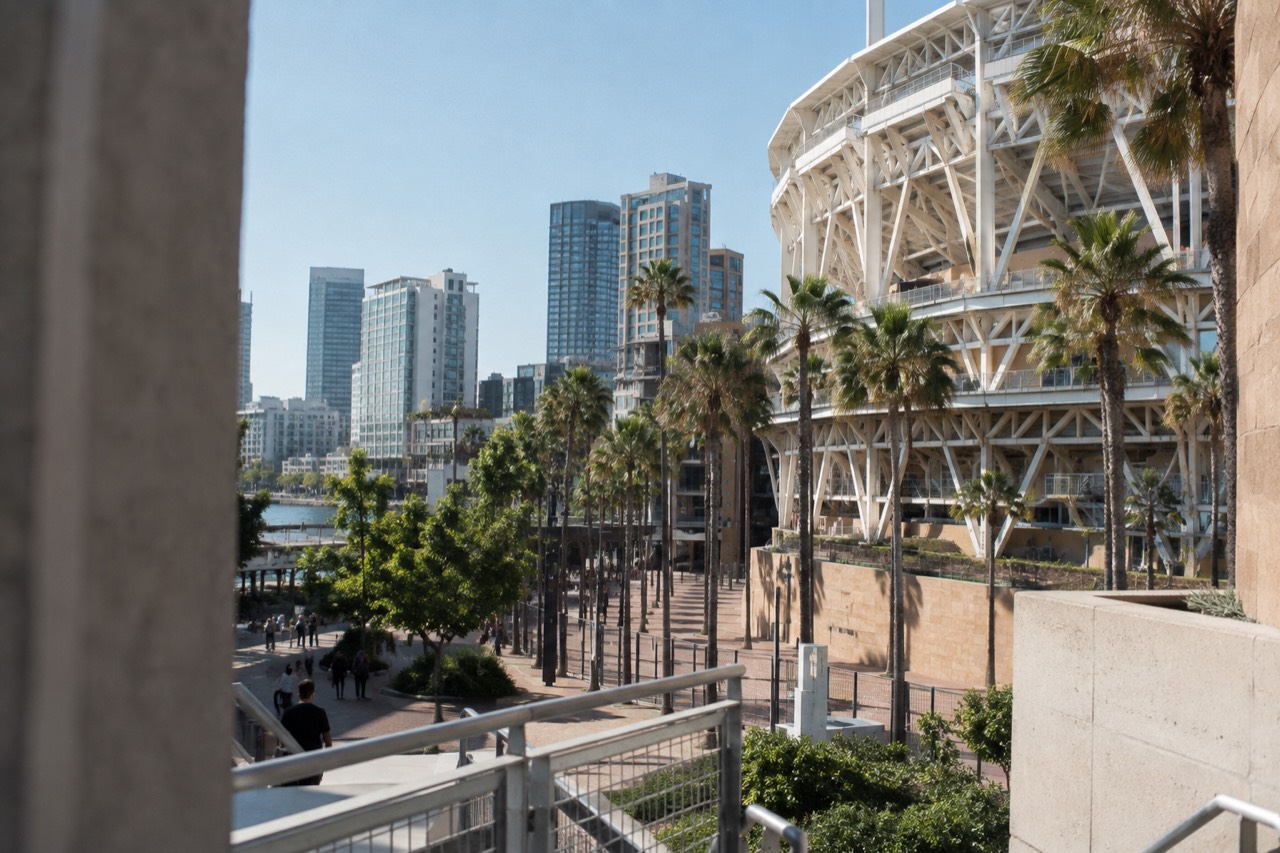
Short answer
Buy Padres tickets directly from the club's official ticket channel or a verified resale marketplace, and expect prices to swing with the opponent and the day of the week. Petco Park sits on the San Diego Trolley network, so a $6 MTS day pass covers the round trip. Bags must be small, and the Gaslamp Quarter is right across the street for before and after the game.
A Padres game at Petco Park is the rare big-league experience that works for almost every kind of visitor: the ballpark is walkable from half of downtown, the weather cooperates on nearly every summer and September evening, and the surrounding East Village and Gaslamp Quarter absorb the before-and-after crowd better than most MLB neighborhoods. This guide covers the practical decisions, tickets, transit, bags, seats and timing, in the order you will actually face them.
How Do You Buy Padres Tickets Without Overpaying?
Buy from the club's own ticket channel when you can, and treat resale marketplaces as your second stop, not your first. Padres ticket prices move with the opponent, the day of the week and the pitching matchup, so there is no single "normal" price to compare against, and any figure you saw for another series will not hold for yours. The cheapest seats are real seats, not scams, if you stay on official channels.
The honest starting point: this site does not sell game tickets, and the Padres' own ticketing pages are the source of truth for face value, seat availability and digital delivery. Prices for a midweek game against a non-marquee opponent and a Friday night against a division rival are different products, and the gap between them is routinely large. If your dates are flexible, the club's schedule page shows which games carry premium pricing before you commit.
Resale is the second option, and it is genuinely useful for sold-out series and for last-minute buyers. Verified resale through the club's own marketplace carries the same barcode guarantees as a primary purchase, which matters at the gate. Third-party resale sites exist in numbers, but the savings on a normal game are usually small and the risk of a rejected barcode is not zero. For a once-per-trip outing, pay the small premium for a guaranteed scan.
A few habits keep the price down. Buy early in the season for marquee weekend series, because those are the games that sell out first. Consider midweek games, which draw lighter crowds and softer prices. And check the upper deck along the third-base side before dismissing it: Petco Park is built tight to the field by modern standards, and the view from up high is better than the price tier suggests.
For a full profile of the ballpark itself, the Petco Park visitor guide covers entrances, layout and the neighborhoods pressed against each gate.
How Do You Get to Petco Park on Game Day?
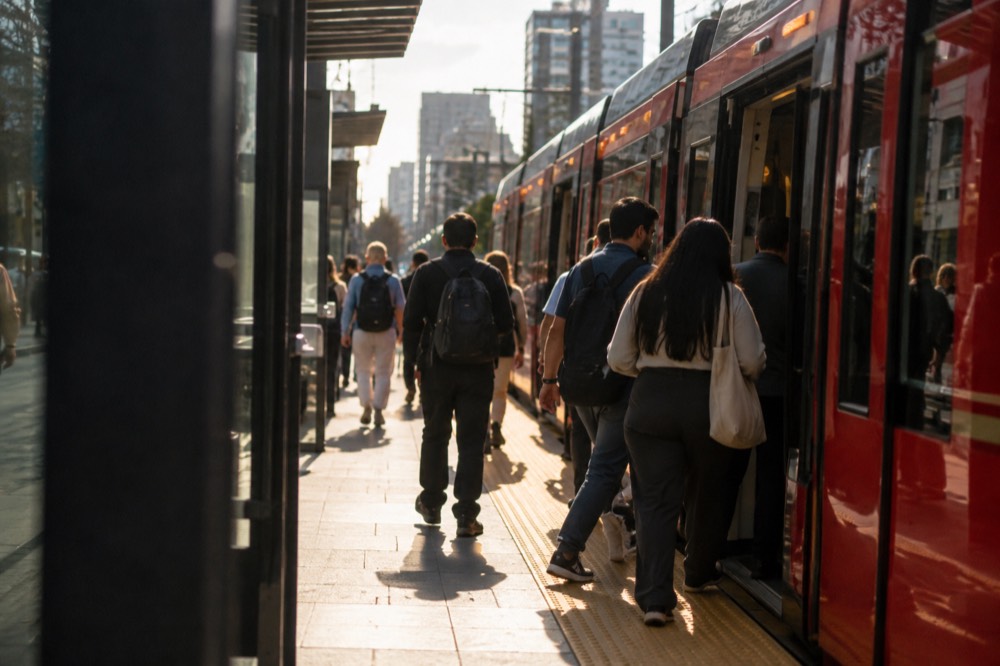
Take the Trolley if your hotel is anywhere near a station. Petco Park is served by the San Diego Trolley's downtown interchange at Gaslamp Quarter station, a short walk from the center field gate, and an MTS day pass costs $6.00 while a single ride is $2.50, so a round trip costs less than any downtown parking option you will find. Driving works, but you should plan the parking piece before you leave, not after.
The Trolley is the answer most out-of-town visitors underestimate. The official MTS fare chart lists the one-way fare and the day pass, and the system uses PRONTO, which caps your rides automatically: once your tap-to-ride total reaches the day-pass value in a day, further rides are free. You never need to buy a day pass up front, just load the app or a card and let the capping do the work. Two children aged 5 and under ride free with a paying adult, and youth 18 and under ride free on the region's youth pass program.
| Way in | What it costs | What to know |
|---|---|---|
| Trolley, one-way fare | $2.50 | PRONTO caps a day of riding at the $6.00 day-pass value |
| Trolley, reduced fare | $1.25 | Seniors 65+, disabled, Medicare and youth with ID |
| Downtown meter | $2.50 per hour | Enforcement runs to 6 pm or 8 pm depending on zone; Sunday is no longer free everywhere |
| Commercial lots near the ballpark | Game-day premium rates | Arrive two or more hours early for the cheaper structures a few blocks out |
| San Diego Flyer from the airport | Free | Runs to Old Town Transit Center, connecting to the Trolley lines, roughly every 20 to 30 minutes |
Driving downtown on a game night is workable but demands a plan. Downtown meters run $2.50 per hour with enforcement generally Monday through Saturday, and the city's own parking FAQ page is the honest reference for zones and hours, since Sunday enforcement has been extended into commercial areas and Sunday is no longer free everywhere. Commercial lots and garages around East Village raise rates on game days; arrive two or more hours early for the cheaper structures a few blocks out, or accept the premium for the lots closest to the gates.
Rideshare works well for the arrival and badly for the departure, because tens of thousands of people leave the same twelve blocks within thirty minutes of the last out. Walk four to six blocks out of the immediate ballpark zone before you request a car, or let the crowd thin over a post-game meal first.
If you are flying in the same day, the airport has no Trolley station, but the San Diego Flyer is a free shuttle from the terminals to Old Town Transit Center, where the Blue and Green lines meet, running roughly every 20 to 30 minutes through the day. The San Diego airport guide has the full arrival breakdown.
Where Should You Sit at Petco Park?
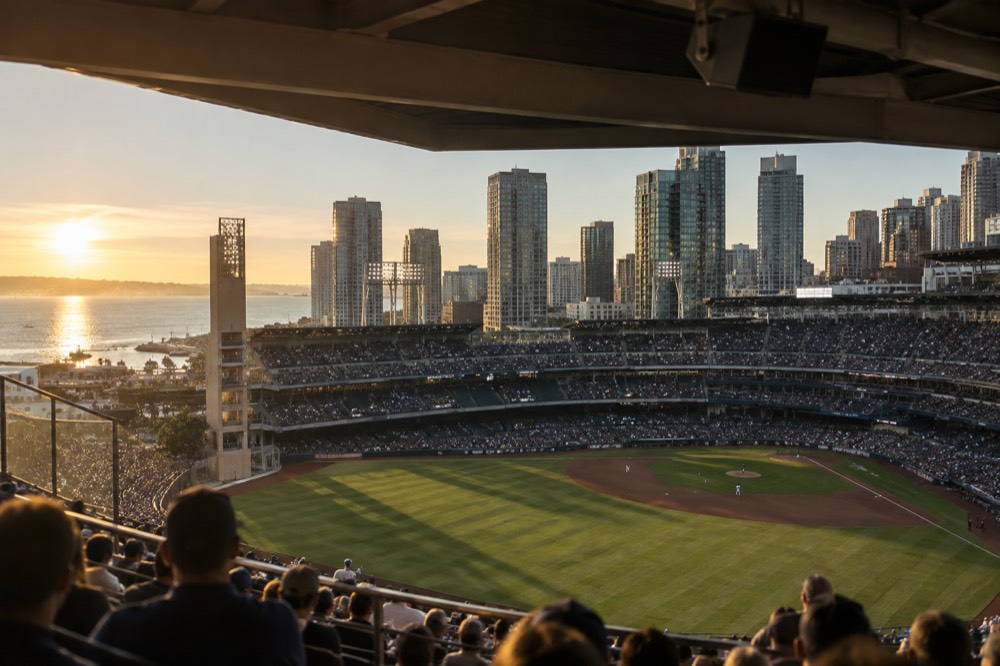
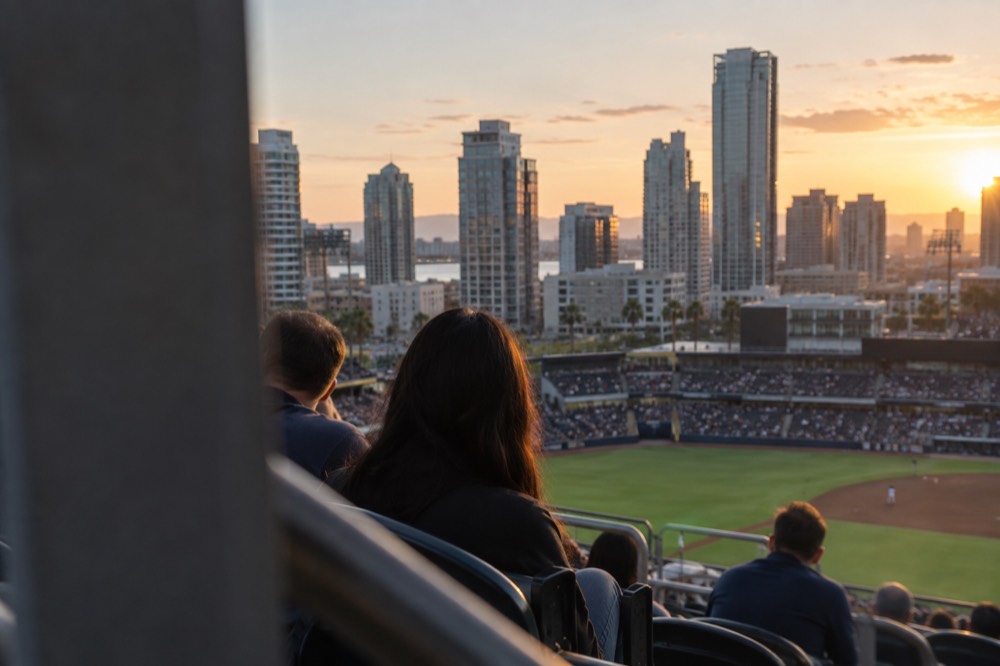
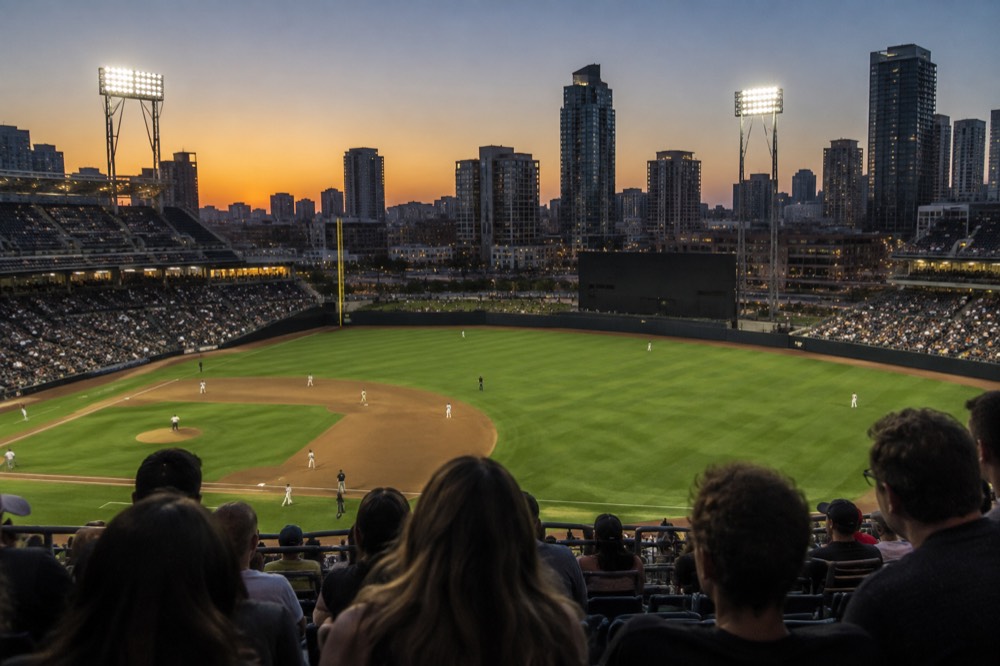
There is no bad sightline category at Petco Park, because the ballpark is compact and the seating bowl sits close to the field; the real choice is between shade, view and price, and those three pull in different directions. The third-base side gets the shade first on summer evenings, the first-base side gets the sunset and the skyline, and the upper deck delivers the best value view in the building. San Diego's evening temperatures drop fast, so layers matter more than section.
Petco Park's defining feature is that downtown San Diego is part of the show. Sections along the first-base line and in right field face the skyline, and many visitors decide that trade is worth full sun for the first few innings. The third-base side, including much of the reserved level, falls into shadow earlier on a typical evening, which matters more in July than most visitors expect: the marine layer that locals call May Gray and June Gloom keeps early-summer evenings cool, and the 30-year temperature normals show June's average high, 71.7°F, is actually lower than October's 74.6°F. A Padres game in June can want a jacket by the seventh inning.
| Priority | Best areas to look at | What you trade |
|---|---|---|
| Shade by first pitch | Third-base side, reserved level | Skyline sits behind you |
| Skyline and sunset | First-base line, right field | Sun in your face early |
| Cheapest real view | Upper deck, third-base side | Stairs, and no concourse view of the field |
| Outfield social scene | Right field and the park-at-the-park zone | Standing-room energy, not a traditional seat |
| Family calm | Upper rows, reserved level | Distance from the rowdy sections |
The park-at-the-park area beyond center field is the unusual pick: a grassy slope with its own seating, which behaves like a picnic rather than a reserved seat. It suits families with restless kids and visitors who want to say they sat somewhere no other ballpark has. Check the club's seating map for which games it is open on.
What Can You Bring Into Petco Park?
Bring a small bag or no bag, a sealed water bottle if the policy allows it on your date, and a layer for the evening, and leave everything else. Petco Park follows the MLB-standard small-bag policy, which means a soft-sided bag within the published size limits or a clear bag, and anything larger gets turned away at the perimeter rather than at the turnstiles. Check the ballpark's own gameday page the week you go, because policies change mid-season.
The single most common gameday failure is the bag. The size limits are strict and the perimeter screening happens before you reach your gate, so a backpack that fits your laptop does not fit the policy. If you would rather not gamble, go bagless: a wallet, a phone and a jacket in hand clears every line.
| Item | Bring it? | Notes |
|---|---|---|
| Small clear or single-compartment bag | Yes | Within the published size limit on the ballpark's gameday page |
| Full-size backpack | No | Turned away at perimeter screening |
| Sealed plastic water bottle | Check the policy | Rules on outside water vary; confirm before your date |
| Jacket or hoodie | Yes | Evening drops are real, especially early season |
| Outside food | Generally no | Exceptions are published, confirm on the official page |
| Sunscreen | Yes, non-aerosol | Afternoon games in the first-base sun need it |
| Camera | Usually yes | Detachable lenses have their own rules |
Two things nobody plans for. First, the walk from the far downtown garages is longer than the map suggests, so wear real shoes. Second, the gates open well before first pitch, and the early window is the calmest the ballpark gets all night; you can walk the concourse, watch batting practice where the schedule allows, and eat before the lines form.
What Should You Do Before and After the Game?
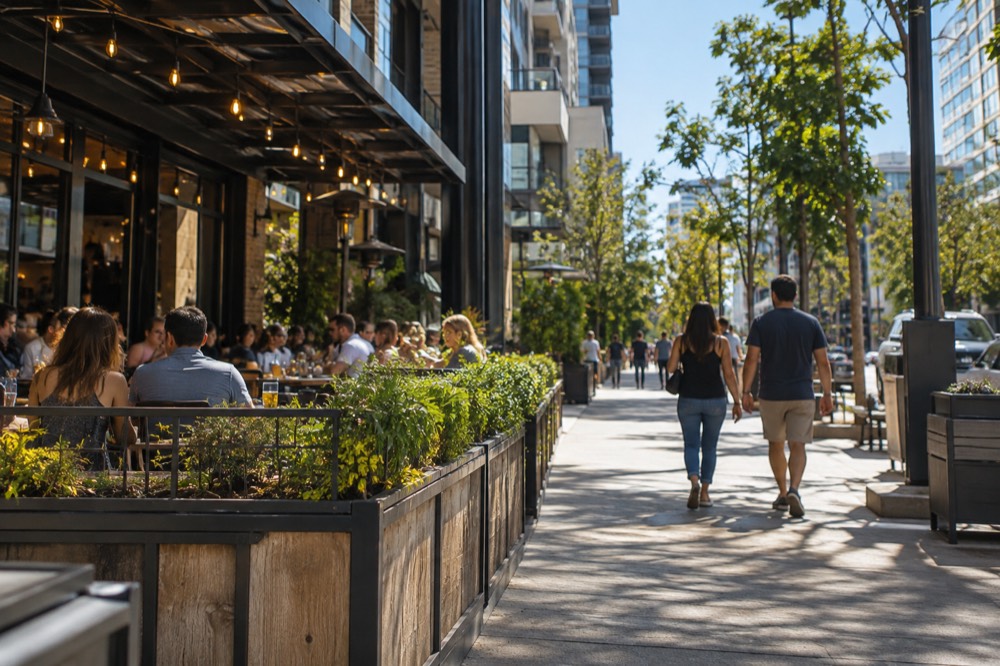
Walk, do not drive. Petco Park sits at the seam of the Gaslamp Quarter, East Village and the Embarcadero, so the best pre-game plan is a meal in the Gaslamp followed by a walk to the gates, and the best post-game plan is to let the crowd thin over a second stop rather than fighting the exit surge. Give the neighborhood two hours on either side of the game and it becomes the highlight of the day.
The Gaslamp Quarter is directly across from the ballpark, and game nights give it a festival energy you will not find on a quiet Tuesday. The Gaslamp Quarter guide covers the bar and restaurant landscape, and the practical advice is simple: book a table for anything within three blocks of the ballpark at least a day ahead, or eat at the early end, around two hours before first pitch, before the pre-game rush lands.
After the game, resist the exit. The Trolley platform and the rideshare zone both absorb the full crowd at once, and everything moves faster after thirty minutes. East Village's bars and late kitchens are built for exactly this crowd, and the downtown San Diego guide maps the wider options, including the Embarcadero side.
The Embarcadero walk is the underrated one. Fifteen minutes west of the ballpark, the waterfront holds the USS Midway Museum and the harbor cruise docks, and the evening light on the bay is the best free thing in the neighborhood. If you are building a full downtown day rather than just a game night, the San Diego two-day itinerary slots a Padres game into a workable order.
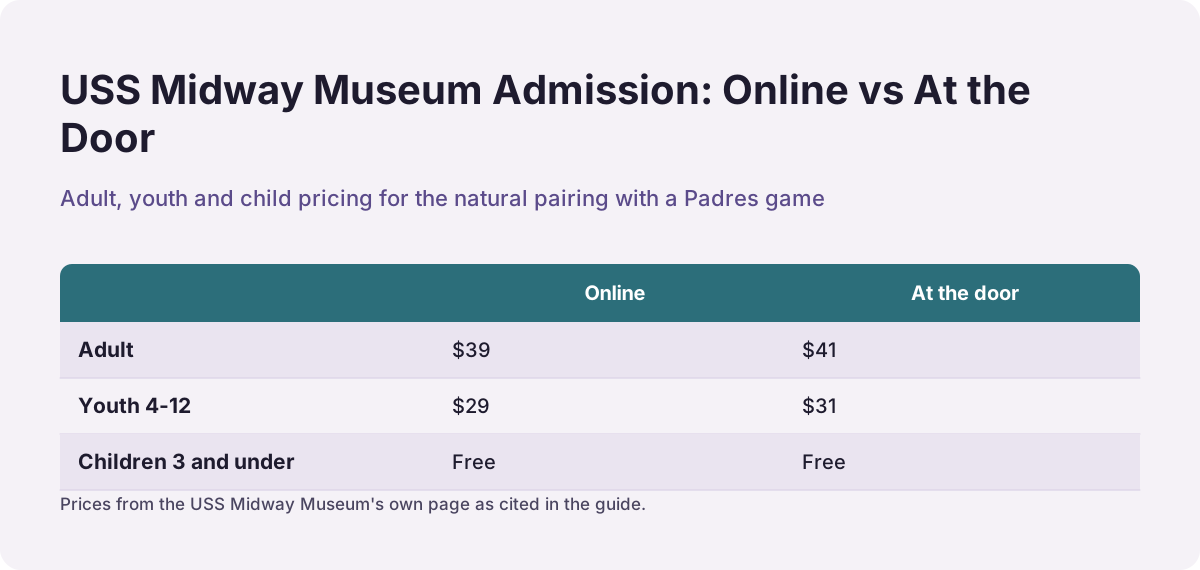
The USS Midway Museum is the natural pairing, and the entry ticket is the version to look at: the museum's own page prices adult admission at $39 online against $41 at the door, with youth 4-12 at $29 online and $31 at the door, and children 3 and under free. Hours run 10:00 am to 5:00 pm with last admission at 4:00 pm, closed Thanksgiving and Christmas Day, so a morning aboard the ship and an evening at the ballpark is a clean, full downtown day.
Is the Petco Park Stadium Tour Worth Doing?
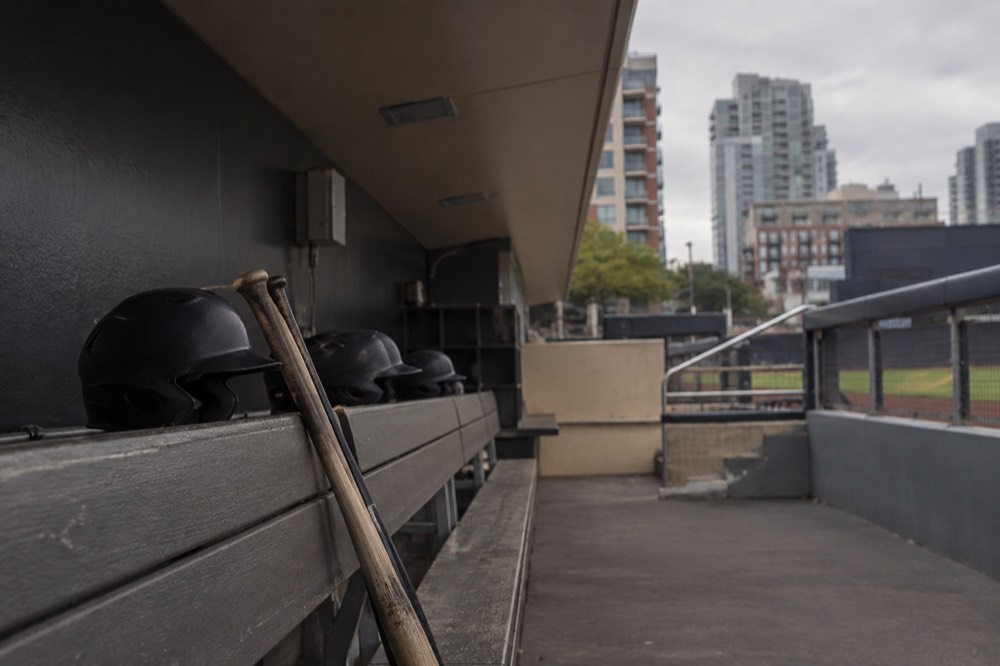
Yes, and it is a different experience from attending a game rather than a substitute for one. The guided stadium tour runs about an hour and twenty minutes and takes you through areas a game ticket does not reach, including the dugout view and the press level, and it works on any non-gameday morning, which is exactly when most visitors have a gap in their plans. Take the tour on a day the team is out of town and you get the ballpark without the crowds.
The tour's real value is access. On game day you see the ballpark as one of forty thousand people; on the tour you stand where the broadcast stands, and the guide carries the stories that a scoreboard never tells. Visitors with a non-game day in their itinerary, or a morning free before an evening kickoff, get the most from it.
Is a Padres Game Good with Kids?
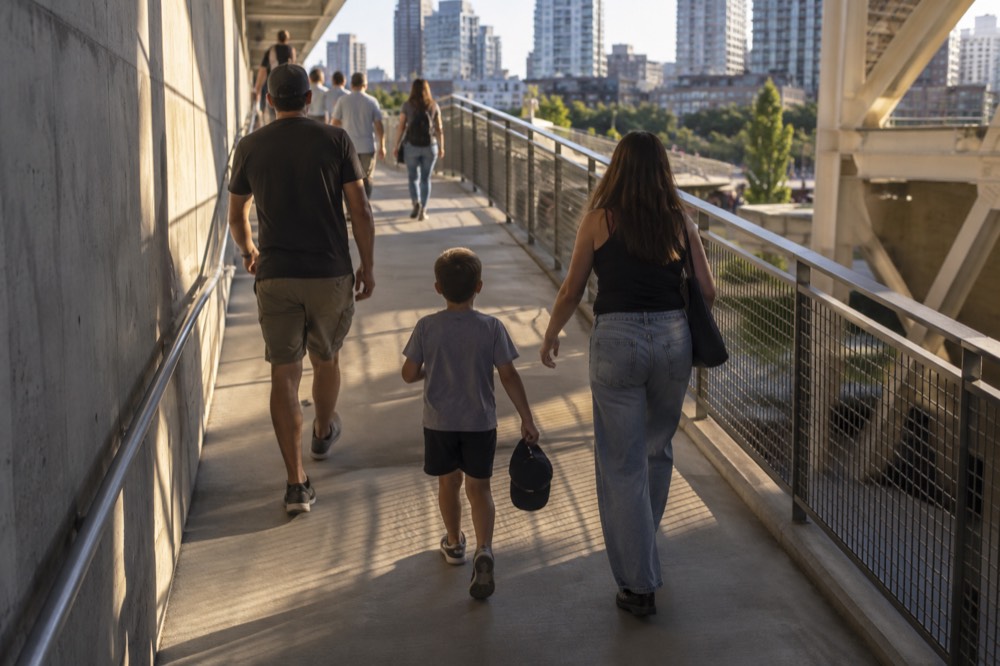
It is one of the most kid-friendly big-league outings in the country, and not only because of the weather. The compact seating bowl keeps every seat close to the field, the park-at-the-park grass slope lets small children move around instead of sitting still for nine innings, and the Trolley ride in and out is itself a highlight for younger visitors, with two children aged 5 and under riding free with a paying adult and youth 18 and under riding free on the region's youth pass.
The practical wins for families are mostly logistics. The Trolley removes the parking problem entirely, which is the single biggest stress of a downtown outing with children. The bag policy rewards traveling light, which families should do anyway. And the ballpark's food stands cover the kid staples, so nobody is negotiating dinner at 7:40 pm.
Timing matters more than seats. An evening game that starts at 6:40 pm local time runs past many young bedtimes on the East Coast clock, so families visiting from the east should expect a late night and plan a slow morning after. A day game, where the schedule offers one, is the easier family product: you are back at the hotel by dinner.
If your trip needs a second big-ticket family day, LEGOLAND California in Carlsbad is the region's other headline park, and its admission tickets are sold by date with dynamic pricing, so the "from" prices on the official ticket page are the only honest figures to plan around; the park also publishes its operating calendar and closes on some weekdays out of season, which matters for spring and fall trips.
For a wider set of options, the San Diego with kids itinerary builds the rest of the family week around exactly this kind of outing.
When Is the Best Time of Year to Catch a Game?
Any month the schedule is playing, but September is the locals' secret. San Diego's real summer is its early fall: the September normal high of 77.2°F beats July's by nearly two degrees and sits a tenth behind August's, the ocean is warmer than it was in July, and the evenings are the most reliable of the year for a night at the ballpark, while a pennant race is often happening on the field.
The counterintuitive part is worth spelling out. Across recent years, September has been the single lowest-visitation month at nearby Cabrillo National Monument, roughly 48 percent below July's numbers, even though the weather is better. The same logic applies to the ballpark experience: the city is quieter, hotel demand softens after the summer peak, and the weather is at its best. If your dates are flexible and the Padres are home, a September series is the connoisseur's pick.
Early season carries one caveat: April and May evenings by the bay can be genuinely cool, with normal lows in the 50s, and the marine layer can keep a 7 pm game overcast. That is not a reason to skip it, it is a reason to bring the layer. The San Diego weather and best time to visit guide has the month-by-month picture.
How Does a Padres Game Fit Into a First San Diego Trip?
Treat it as your downtown anchor rather than a standalone event. A game night pairs naturally with the Embarcadero and the Gaslamp on one day, and because the Trolley connects downtown to Old Town, Mission Valley and the border corridor, the ballpark sits on the transit spine that a first-time visitor uses anyway. Give it one evening, arrive two hours early, and let the neighborhood do the rest.
The first-trip version of the plan writes itself. Morning aboard the USS Midway or the Maritime Museum, an afternoon walk through Seaport Village, an early dinner in the Gaslamp, then the walk to the gates. On a non-game morning, the stadium tour fills the gap. The first time in San Diego guide and the San Diego bucket list both treat a Padres night as a core item, and the transit math above is the reason: no car needed, no parking hunt, and the whole evening costs a few dollars of Trolley fare beyond the tickets themselves.
That is also why Things to Do in San Diego puts the ballpark high on any short-trip list: it is the one big-ticket evening that does not require a single driving decision, in a city where parking is otherwise the visitor's biggest daily question.
Common Questions About a Padres Game at Petco Park
How do you buy Padres tickets without overpaying?
Start with the club's own ticketing channel for face value, then check verified resale for sold-out series. Prices swing with the opponent and day of the week, so compare within your own series rather than against another game's prices.
What's the best way to get to Petco Park on game day?
The Trolley. Gaslamp Quarter station sits a short walk from the gates, a one-way ride is $2.50, and PRONTO caps a day of riding at the $6.00 day-pass value. If you drive, plan your parking structure before you leave and expect premium rates near the ballpark.
Where should you sit at Petco Park?
Third-base side for shade, first-base side for the skyline and sunset, upper deck for the best value view. Bring a layer regardless: San Diego evenings drop quickly, and early-season nights by the bay run cool.
What can you bring into Petco Park?
A small bag within the published size limits or no bag at all, a non-aerosol sunscreen for day games, and a jacket. Full-size backpacks are turned away at perimeter screening, so check the ballpark's gameday page the week you go.
Is the Petco Park stadium tour worth doing?
Yes, as a complement to a game rather than a replacement. The tour runs about an hour and twenty minutes and reaches the dugout and press areas a game ticket does not, and it works best on a non-gameday morning.
Is a Padres game good with kids?
Very. The compact bowl keeps seats close to the field, the park-at-the-park slope lets kids move around, and the Trolley ride is part of the fun, with young children riding free under the fare rules.