San Diego Weather and the Best Time to Visit: A Month-by-Month Guide
San Diego's reputation for endless sunshine hides a more interesting story. The real summer arrives in September, the greyest months are May and June, and the crowds thin exactly when the weather peaks. Here is what the 30-year climate record actually says, and how to plan a trip around it.
Short answer
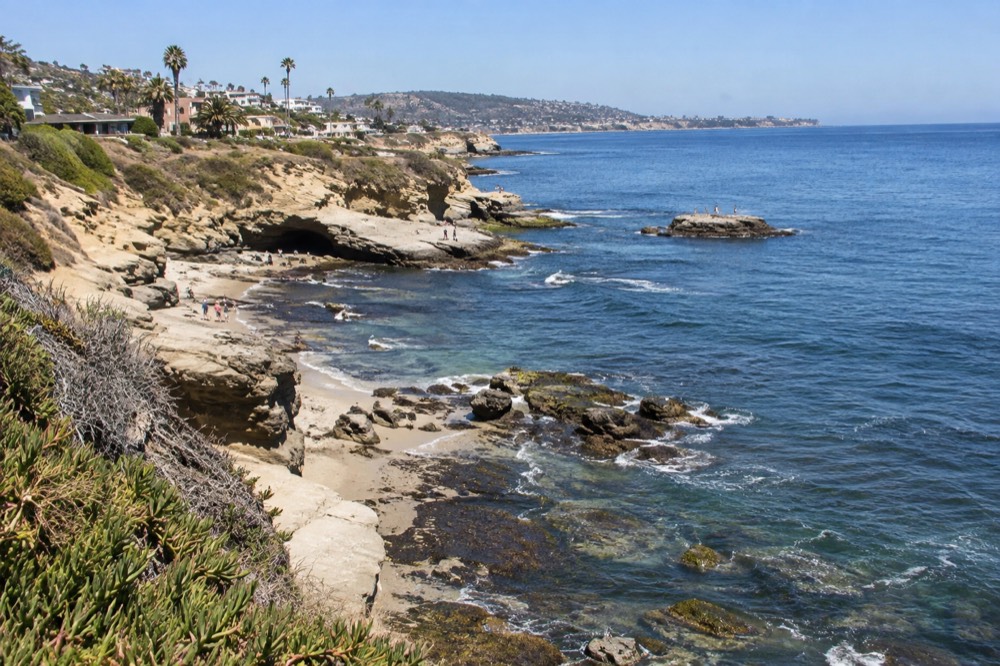
San Diego's warmest months are August and September, with normal highs of 77.3 and 77.2 degrees Fahrenheit, and September is also the least crowded peak-weather month at Cabrillo National Monument. May and June run cooler and greyer along the coast due to the marine layer. For warm sun, warm water and thinner crowds, September is the best time to visit.
San Diego sells itself on sunshine, and mostly delivers, but the climate record tells a more useful story than the postcard version. The city's warmest month is not July. Its greyest stretch is not winter. And the single best combination of warm air, warm water and thin crowds lands in a month most guidebooks ignore. This guide works from the 30-year climate normals published by NOAA for San Diego International Airport, the monthly sea-surface record from the La Jolla tide station, and National Park Service visitation counts, so every figure here is a measured one rather than a vibe.
What Is the Weather Like in San Diego Month by Month?
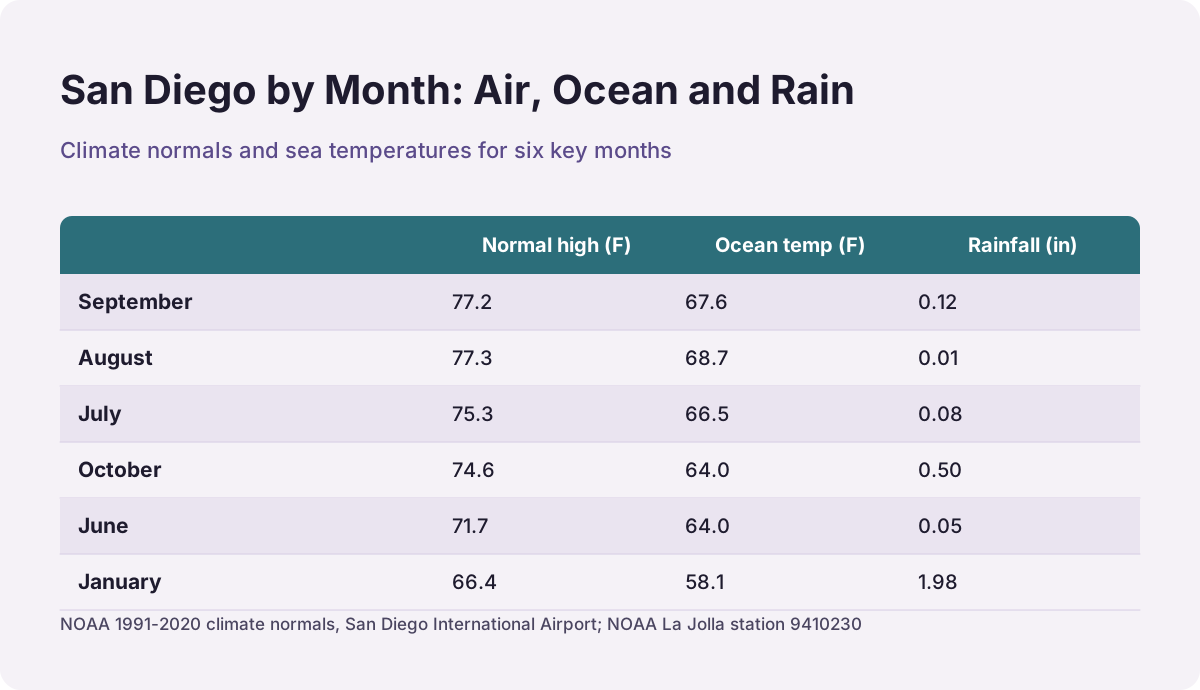
San Diego stays remarkably steady across the year, with normal highs ranging from 66.2 degrees in December to 77.3 in August, and rain concentrated almost entirely in December through March. Summer months are bone dry, with August averaging one hundredth of an inch of rain and zero days of measurable precipitation. The surprise is that June's normal high, 71.7 degrees, is lower than October's 74.6, a signature of the coastal marine layer.
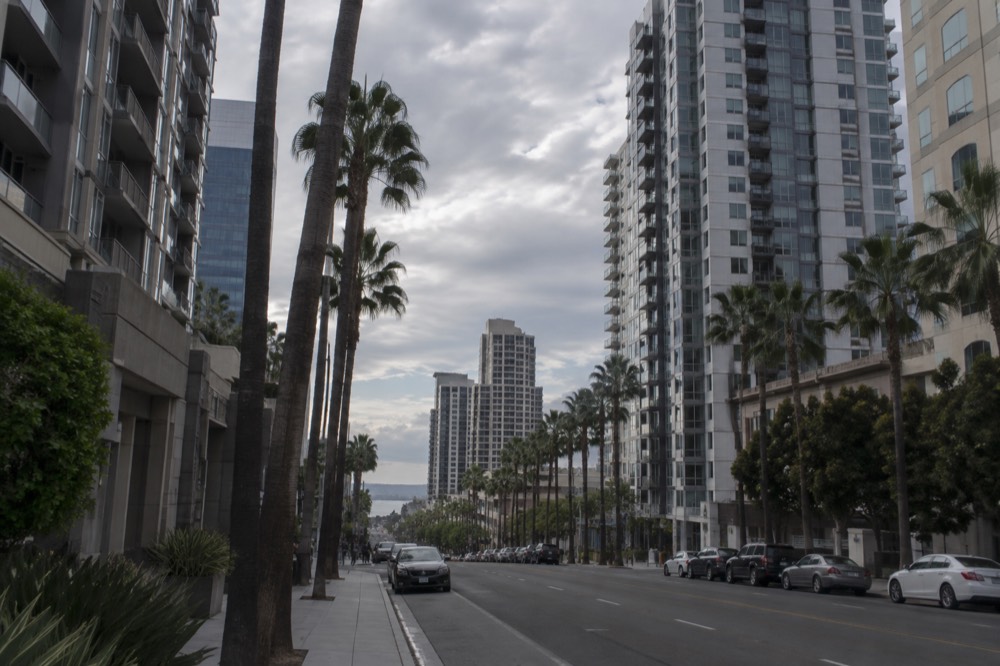
Those numbers come from the official 1991-2020 climate normals for station USW00023188 at San Diego International Airport, published by the NOAA National Centers for Environmental Information. Normals are 30-year averages, which makes them the honest baseline for what a month usually feels like rather than what last year happened to do.
| Month | Normal high | Normal low | Rainfall (in) | Days with 0.10 in or more |
|---|---|---|---|---|
| January | 66.4 | 50.3 | 1.98 | 4.0 |
| February | 66.2 | 51.8 | 2.20 | 4.1 |
| March | 67.0 | 54.5 | 1.46 | 3.1 |
| April | 68.8 | 57.1 | 0.65 | 1.7 |
| May | 69.5 | 60.0 | 0.28 | 0.7 |
| June | 71.7 | 62.6 | 0.05 | 0.1 |
| July | 75.3 | 66.1 | 0.08 | 0.1 |
| August | 77.3 | 67.5 | 0.01 | 0.0 |
| September | 77.2 | 66.2 | 0.12 | 0.2 |
| October | 74.6 | 61.5 | 0.50 | 1.1 |
| November | 70.7 | 54.8 | 0.79 | 1.9 |
| December | 66.0 | 49.8 | 1.67 | 3.1 |
Read that table with three things in mind. First, winter in San Diego is a mild, occasionally rainy season, not a cold one; a December afternoon at 66 degrees still beats most of the country. Second, the rain is a winter phenomenon in a literal sense: December through March carry 7.3 of the year's total inches, while summer is effectively dry. Third, the summer plateau is flatter than visitors expect, because the ocean suppresses the highs and keeps the lows mild. If you want the deeper picture of how the seasons shape trip planning, our guide to what San Diego is known for sets the scene, and our month-by-month pages break each month down further.
The practical reading: there is no bad month to visit, only months better suited to specific plans. A winter trip trades a small chance of rain for green hills and the lowest prices of the year. A September trip gets the warmest water and the thinnest crowds. The months to be skeptical about are the ones with the best reputations.
When Is the Best Time to Visit San Diego?
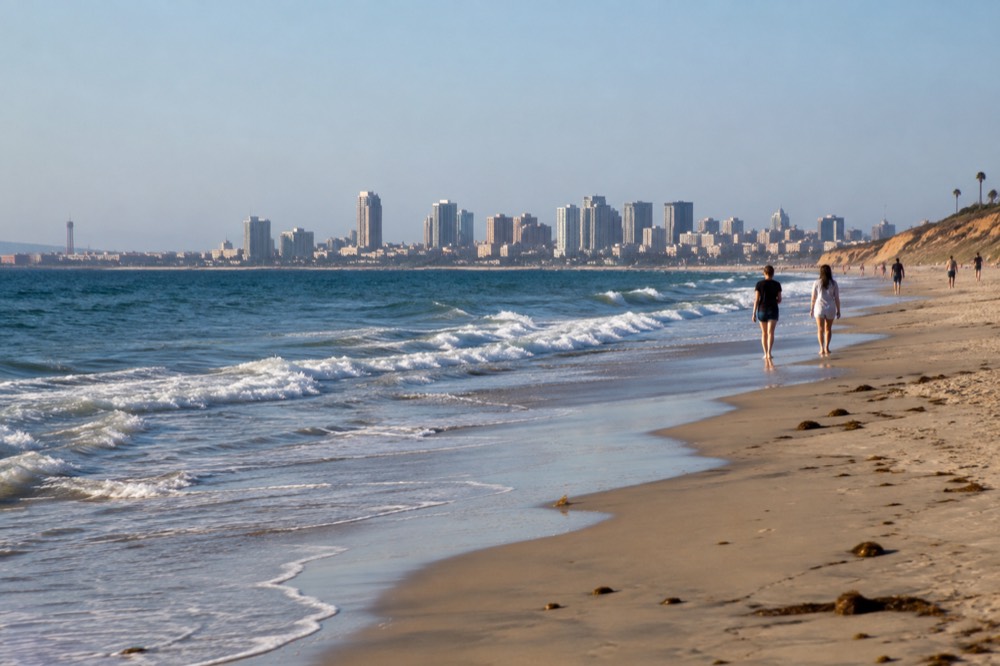
September is the best time to visit San Diego for weather, and it is not close. Its normal high of 77.2 degrees sits just a tenth behind August's and 1.9 degrees above July's, the ocean is warmer than it was in July, and yet September was the single lowest visitation month at Cabrillo National Monument across 2022 to 2024, with 56,876 recreation visits against July's 83,999, a gap of 48 percent.
That last figure deserves a moment, because it is the single most counterintuitive fact in San Diego travel planning. The National Park Service's public statistics for Cabrillo National Monument show that September, the month with near-peak warmth and the year's warmest water still lingering, draws barely two-thirds of July's visitors. Everyone shows up in July, when the air is two degrees cooler and the marine layer is still a factor, and goes home before the actual peak.
For a fuller ranking of the shoulder-season options, our guide to visiting San Diego in September covers what is actually happening that month, and cheap things to do in San Diego pairs well with the lower lodging rates that follow the summer rush.
The rest of the ranking depends on what you want:
| If you want | Best months | Why |
|---|---|---|
| Warmest air and water, thin crowds | September, early October | Near-peak highs, warmest ocean of the year, lowest peak-season visitation |
| Classic beach weather on a school holiday | July, August | Reliable afternoons once the marine layer burns off, fullest beaches |
| Green landscapes and lowest prices | January, February, March | Winter rain greens the coastal hills, hotel rates bottom out |
| Whale watching | Mid-December through March | More than 20,000 gray whales pass offshore, peaking mid-January |
| Fewest rain days, mild everything | June through September | Under half an inch of rain across all four months combined |
If your dates are flexible and your priority is simply the best overall experience, aim for the window between Labor Day and mid-October. The summer visitors have left, the water off La Jolla is at or near its annual peak of 68.7 degrees in August and still 67.6 in September, and the normal high stays at or above October's 74.6 degrees through the start of that month.
If you are building a trip around that window, three experiences pair especially well with a warm September evening: a tasting walk through Little Italy, a brewery-and-education tour through North Park, and a dinner cruise on the bay.
What Are May Gray and June Gloom?
May Gray and June Gloom are the local names for the marine layer, a deck of coastal cloud that greys the beaches in late spring while inland areas stay sunny. The effect is visible in the climate normals themselves: June's normal high of 71.7 degrees is lower than October's 74.6, and May's 69.5 is lower than November's 70.7. The pattern is real and locally universal, but no government source publishes an official cloud statistic for it.
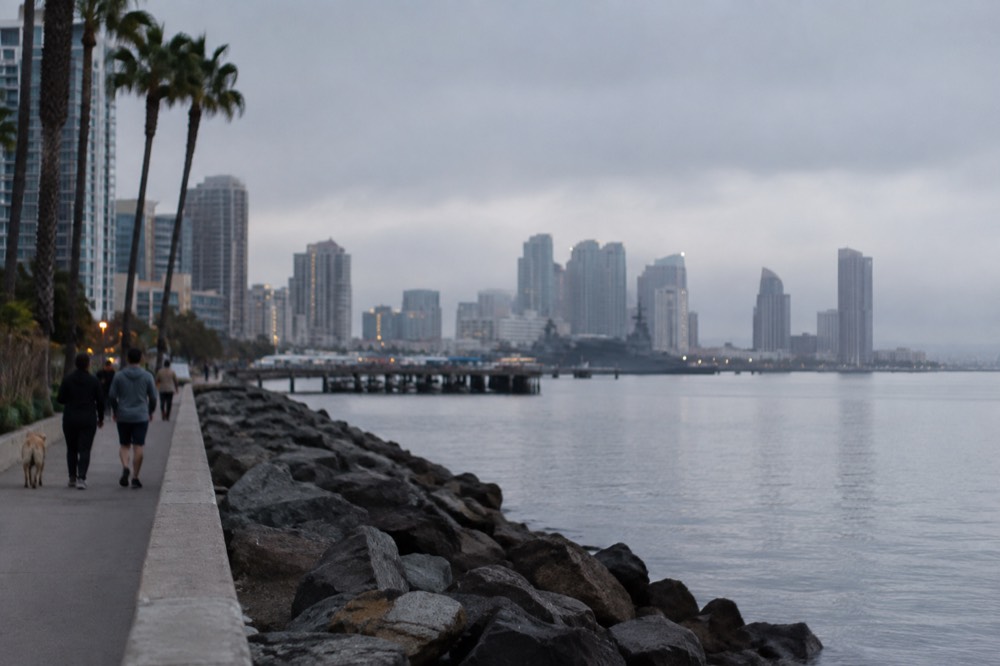
The mechanism is simple. The California Current runs cold along the coast, and warm air passing over that cold water condenses into a low cloud deck that the onshore breeze pushes inland overnight. In May and June the setup is at its strongest, and the cloud often holds at the beaches until late morning or, on stubborn days, all day. Ten miles inland, in places like Mission Valley or the parks of North County, the same afternoon can be fully clear.
That is the honest version of the story, told from the temperature record rather than an invented cloud percentage. What it means for a trip is practical rather than dramatic: a May or June beach morning may be grey and 66 degrees while the same afternoon inland is sunny and 78. Locals plan around it, and you should too.
The classic local strategy is to spend grey mornings on things the clouds do not ruin and save the beach for the afternoon, when the deck usually burns back toward the ocean. A food walk is the ideal marine-layer activity: it runs on foot, it is under no obligation to the sky, and Little Italy in particular clusters enough stops that a slow grey morning turns into an advantage. Our guide to Little Italy covers the neighborhood in full if you would rather build your own route, and our Little Italy food and drink walking tour writeup covers the guided version.
A second marine-layer strategy is simply to go up. The cloud deck often tops out below the local hilltops, so Mount Soledad, the high ground of Point Loma, or a drive toward Julian can put you above the grey into full sun. Our guide to Mount Soledad explains the view and the climb, and it is one of the most reliable marine-layer escapes in the city.
When Is the Ocean Warm Enough to Swim?
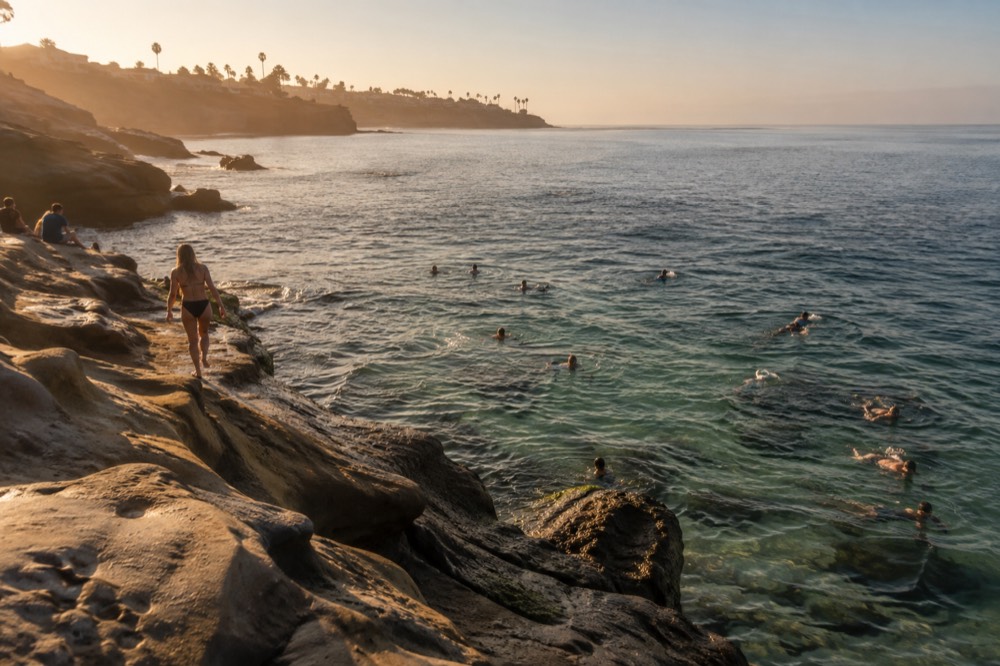
San Diego's ocean peaks at a mean of 68.7 degrees in August and stays at 67.6 in September, then falls steadily through winter to a low of 58.0 to 58.1 degrees in January and February. For most people, swimming without a wetsuit is comfortable from July through early October. The measurements come from NOAA's La Jolla station at Scripps Pier, averaged across hourly observations from 2023 to 2025.
| Month | Mean sea temperature (F) | Month | Mean sea temperature (F) |
|---|---|---|---|
| January | 58.1 | July | 66.5 |
| February | 58.0 | August | 68.7 |
| March | 58.7 | September | 67.6 |
| April | 59.2 | October | 64.0 |
| May | 63.4 | November | 62.4 |
| June | 64.0 | December | 60.8 |
Those figures come from NOAA station 9410230 at La Jolla, the long-running Scripps Pier gauge, cross-checked against the offshore Mission Bay buoy. One caution that matters if you read other sites: never trust an ocean temperature quoted from the station inside San Diego Bay, which reads several degrees high because the bay's shallow water heats faster than the open Pacific.
Sixty-eight degrees is genuinely swimmable, especially for anyone from a cold-water coast, but it is not tropical. Surfers wear wetsuits year round here, and spring swimmers usually want at least a shorty. If warm-water swimming is the point of your trip, book late July through September and aim your days at La Jolla Cove or the calmer corners of Mission Bay. Our La Jolla Cove guide and Mission Bay guide cover both in detail, including where the water is calmest for kids.
The water temperature also reframes the September argument from the previous section. The ocean in September is warmer than it was in July, which means the month with the thinnest crowds is also near the month with the best swimming. Very few destinations offer that combination, and almost none of them are in the United States. Other pages covering the same trip are gathered on Things to Do in San Diego.
When Is Whale Watching Season in San Diego?
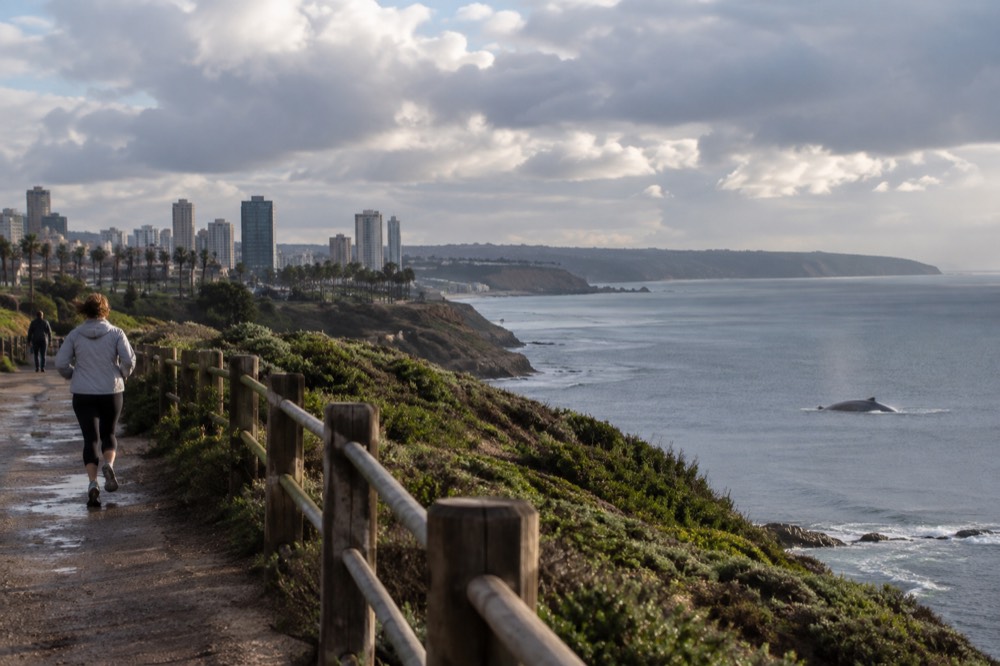
Gray whales pass San Diego from mid-to-late December through March, with more than 20,000 animals migrating each year and mid-January the peak of the migration, according to the National Park Service. Some northbound whales, including cows with calves, remain into March or April. Viewing is best on calm days or in the morning before the wind picks up, either from a boat or from the Kelp Forest Overlook and Old Point Loma Lighthouse inside Cabrillo National Monument.
The park runs its own Whale Watch Weekend and Intertidal Festival in late January or early February, which tells you how reliable the season is. The National Park Service's gray whale page for Cabrillo is the primary source for all of the above, and it is refreshingly specific about timing in a way most travel content is not.
What the sourced record does not say is anything about blue whales. NOAA Fisheries publishes no San Diego-specific monthly window for them, so treat any confident blue-whale-season claim you read elsewhere with suspicion. The gray whale season, by contrast, is fully documented and one of the most dependable wildlife shows on the West Coast.
This is where a winter trip quietly wins. January and February combine the gray whale peak with the year's lowest hotel rates and green coastal hills, and the normal high of 66 to 67 degrees still makes for pleasant hours on the water. If whale watching anchors your dates, a three-hour cruise out of the bay is the standard format, and you can Check availability alongside our whale watching cruise overview.
How Does the Marine Layer and Season Change What You Should Book?
Book beach, bay and outdoor activities for the afternoon, especially between May and July, because the marine layer typically holds grey cloud over the coast until late morning. Book indoor and walking activities, museums and food tours for the morning. In September and October the pattern weakens and full-sun days become the norm, so morning beach plans are safe again. Winter trips should hold loose plans for rain, with four rainy days a month as the normal.
The single most useful planning habit in San Diego is treating the morning and the afternoon as two different days. In late spring the beach at 9 am can be grey, damp and 64 degrees while the same beach at 2 pm is blue, warm and busy. Locals schedule accordingly, and the marine layer is also why San Diego mornings are the best time for photography: the low cloud makes for moody coastlines at sunrise and clears to crisp light by midday. Our San Diego photography spots guide leans into exactly that rhythm.
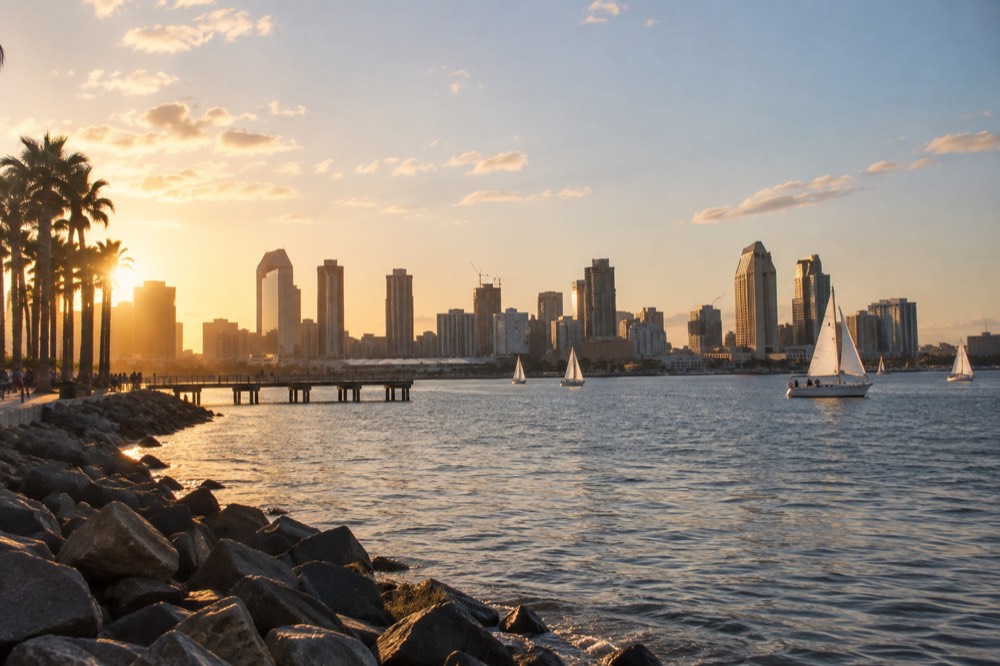
For evening plans the season matters less than you might think. Sunset is the one part of the day that is reliably beautiful in every month, and a sunset sail is the classic San Diego evening: two hours on the bay, the city skyline going gold, and a marine layer that adds texture rather than ruining anything. Our San Diego sunset spots guide lists the free options, and the bay sailing experience is the paid one worth checking.
For a grey-coast morning, the harbor cruise is the other format that works in any weather: an hour on the water, narrated, with the Navy ships and the Coronado Bridge as the scenery, and an indoor deck if the cloud is stubborn. It pairs with the USS Midway Museum next door, which is itself an all-weather morning, and our USS Midway guide covers what a visit there involves.
One more seasonal note that is easy to get wrong: Balboa Park's paid parking is live now at $8 to $16 a day depending on the lot and residency, and City Council has approved removing it entirely on 1 January 2027. If your trip falls before that date, budget for it or use the free park tram; if it falls after, parking in the park is scheduled to be free. Our parking in San Diego guide keeps the current state of this and every other major parking question in one place, because it changes more often than any weather pattern does.
What About Crowds, Prices and Events Across the Year?
Crowds in San Diego peak in July, when Cabrillo National Monument recorded 83,999 recreation visits in a recent year, and bottom in September at 56,876 despite near-identical weather. Summer also brings the highest lodging rates, while January through March offer the lowest prices of the year alongside the rain. Major events cluster around Comic-Con in late July and the county fair in early summer, both of which squeeze hotel inventory citywide.
The crowd data is the clearest signal available, because the National Park Service counts every entry at Cabrillo and publishes the monthly figures, giving a rare measured proxy for citywide tourism pressure. The shape it shows, a July peak and a September trough with barely worse weather, is the core insight of this whole guide.
| Period | Crowds | Lodging rates | Weather tradeoff |
|---|---|---|---|
| January to March | Lowest of the year | Lowest of the year | 4 rainy days a month, coolest ocean |
| April to May | Moderate | Moderate | Marine layer greys many mornings |
| June | High | High | Coolest "summer" month, grey mornings |
| July | Peak | Peak | Warm and busy, Comic-Con in late July |
| August | Peak | High | Warmest air and water of the year |
| September | Low | Dropping | Warmest-water month, near-peak highs |
| October to December | Low to moderate | Low | Mild, first rains arrive in November |
Comic-Con International is the one event that reshapes the whole city: the 2027 dates are July 22 to 25 with Preview Night on July 21, and downtown hotel inventory tightens well beyond the convention center's footprint. If your dates are flexible and you are not attending, the last week of July is the one window worth avoiding even more than the rest of summer. Our Comic-Con visitor guide covers the event itself, and our first time in San Diego guide is the better starting point if this is your first trip and you are still choosing dates.
If you have read this far, the planning logic is simple. Pick September if you can, early October as the backup, late January through February for whales and low prices, and treat June as a month for morning flexibility rather than a guaranteed beach week. Whatever month you land on, a bay dinner cruise is the one booked experience that works in every one of them, and a North Park brewery tour is the rainy-day and grey-morning answer that locals would actually give you.
Common Questions About San Diego Weather and the Best Time to Visit
What is the hottest month in San Diego?
August, with a normal high of 77.3 degrees Fahrenheit, narrowly ahead of September at 77.2. July, at 75.3, is noticeably cooler than both, which surprises visitors who assume July is the peak.
What is the coldest month in San Diego?
December, with a normal high of 66.0 degrees and a normal low of 49.8. February is close behind at 66.2 and 51.8. Even the coldest months are mild by most of the country's standards.
What is the rainiest month in San Diego?
February, averaging 2.20 inches of rain with about 4.1 days of measurable precipitation. Rain is a winter phenomenon overall: December through March carry 7.3 of the year's total inches, while August averages one hundredth of an inch.
When is the best time to visit San Diego?
September. It combines near-peak air temperature, the warmest lingering ocean water, and the lowest visitation of any warm month. Cabrillo National Monument recorded 56,876 visits in September against 83,999 in July across 2022 to 2024, a 48 percent gap in crowd pressure with essentially the same weather.
What are May Gray and June Gloom?
The local names for the marine layer, a low deck of coastal cloud common in late spring. It is visible in the climate record: June's normal high of 71.7 degrees is lower than October's 74.6. The cloud usually burns off at the beaches by afternoon, and mornings inland are often clear.
When can you swim in the ocean in San Diego?
The mean sea temperature peaks at 68.7 degrees in August and holds at 67.6 in September, making July through early October the comfortable window for most swimmers. Winter water sits in the upper 50s, which is wetsuit territory.
Is San Diego sunny all year?
It is one of the sunniest cities in the country, but not uniformly. Late spring mornings are often grey at the coast, winter brings roughly four rainy days a month from December through March, and September and October deliver the most reliably clear stretch of the year.