What Is the Best Month to Fish in San Diego?
The best month to fish in San Diego depends on what you are after: warm-water months like August and September offer the warmest ocean, while the pier and bay scene runs year round. Here is how to pick.
What Is the Best Month to Fish in San Diego?
There is no closed season for fishing in San Diego, so the best month is the one with the water temperature and the weather you want: August and September bring the warmest ocean of the year at 68.7 and 67.6 degrees respectively at Scripps Pier, while December through February is when the offshore water is busiest with gray whales. For pier and bay fishing, which is what most visitors actually do, every month works, and the choice comes down to crowds, comfort and what is running.
That answer surprises people who expect a single peak month, but San Diego's climate is the reason. The marine layer that locals call May Gray and June Gloom holds June's normal high temperature to 71.7 degrees, which is actually lower than October's 74.6, and the ocean in June averages just 64.0 degrees at the Scripps Pier station. The warm water arrives late. August is the warmest ocean month at 68.7 degrees and September sits right behind it at 67.6, with air temperatures to match: September's normal high of 77.2 degrees beats July's by 1.9 degrees.
The counterintuitive part, and the reason September is worth taking seriously, is that almost nobody comes. Cabrillo National Monument, the best proxy for coastal visitation in the city, recorded 56,876 recreation visits in September across the 2022 to 2024 window against July's 83,999, a gap of roughly 48 percent. September gives you the warmest near-shore water of the swimming season with the thinnest crowds of the year, and for a pier angler that combination is hard to beat.
What you cannot do is name a single best month for every kind of fishing, because the pack of facts that would let anyone promise a species calendar for San Diego simply does not exist in a verified form. What is verified is the water temperature record, the weather normals, the whale migration and the year-round pier infrastructure, and those four things together answer the question well enough to plan a trip around.
What the Water Temperature Chart Says About Each Month
NOAA's hourly observations at La Jolla's Scripps Pier, averaged across 2023 to 2025, show the ocean climbing from 58.1 degrees in January to a peak of 68.7 in August, then sliding back through 64.0 in October, and that curve is the single most useful planning tool a San Diego angler has because water temperature drives what swims close to shore.
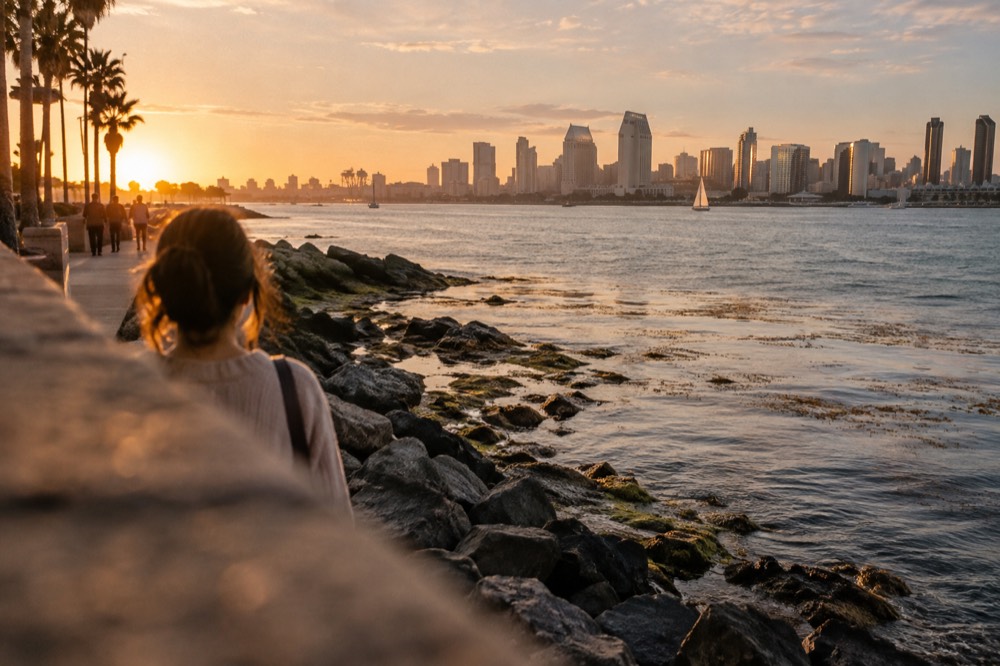
The kelp beds off La Jolla and Point Loma are the engine of San Diego's near-shore fishing, and kelp species respond to this temperature curve. Cold months are cold: January, February and March all average between 58.0 and 58.7 degrees at the pier station, which is why winter fishing in San Diego shifts toward the bays, the deeper water and the whale-watching boats rather than the surf line. The full monthly picture looks like this.
| Month | Mean sea-surface temp (F) | Normal high air temp (F) |
|---|---|---|
| January | 58.1 | 66.4 |
| February | 58.0 | 66.2 |
| March | 58.7 | 67.0 |
| April | 59.2 | 68.8 |
| May | 63.4 | 69.5 |
| June | 64.0 | 71.7 |
| July | 66.5 | 75.3 |
| August | 68.7 | 77.3 |
| September | 67.6 | 77.2 |
| October | 64.0 | 74.6 |
| November | 62.4 | 70.7 |
| December | 60.8 | 66.0 |
The source is NOAA station 9410230 at Scripps Pier, with hourly readings from 2023 through 2025, and the air figures are the 1991 to 2020 climate normals for San Diego International Airport. One caution that matters if you go looking at these numbers yourself: never use NOAA station 9410170 for ocean temperature, because that sensor sits inside San Diego Bay and reads several degrees warm. On a September morning it showed 76.5 degrees while La Jolla read 65.7 at the same minute.
Read the table as three seasons. January through April is the cool-water stretch, where the air is still pleasant, 66 to 69 degrees, but the ocean is at its coldest. May through August is the warm-up, with the steepest single-month jump between April and May. And September through December is the long glide back down, with September giving you August's water at a slightly cooler mark and almost none of August's beach crowds. If you want the full month-by-month picture of the city beyond the water, our guide to things to do in San Diego in September covers what else is open.
Pier Fishing and Shore Fishing: The Year-round Option
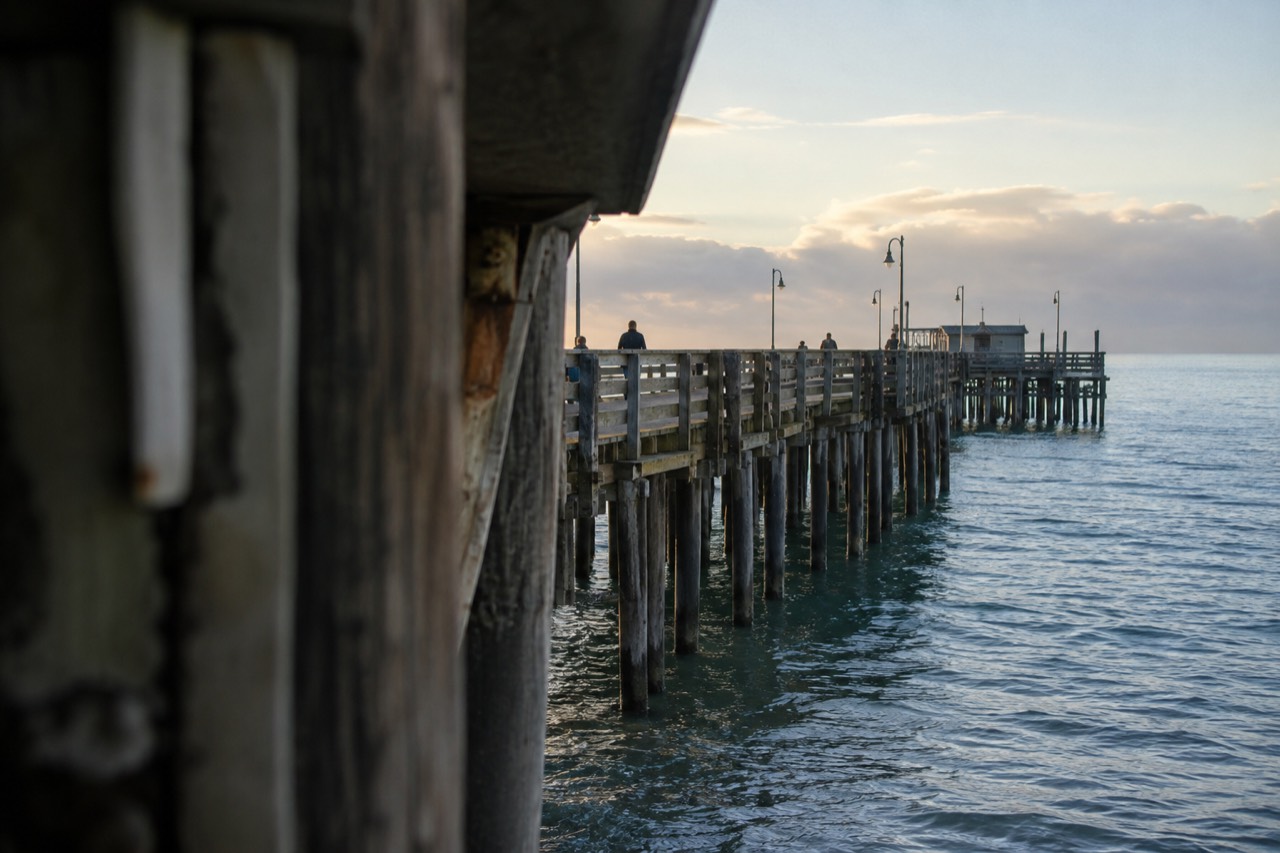
Pier fishing is the format that makes the best-month question almost moot, because San Diego's oceanfront piers, bayfront spots and shorelines fish in every month, need no boat, no reservation and no charter deposit, and the 2-Hour San Diego Pier Fishing Experience runs as a bookable product regardless of season, which tells you the operators themselves treat it as a year-round activity.
The practical appeal is obvious. A pier puts you over deeper water without a boat, the city's lifeguard service staffs nine permanent oceanfront stations year round covering roughly 24 miles of coastline, and the fishing does not depend on you finding a captain with an open date. For a visitor, a guided pier session is also the fastest way to learn which end of a given pier holds fish, because local knowledge is the one thing no amount of reading substitutes for. The wider set of guides lives on Things to Do in San Diego.
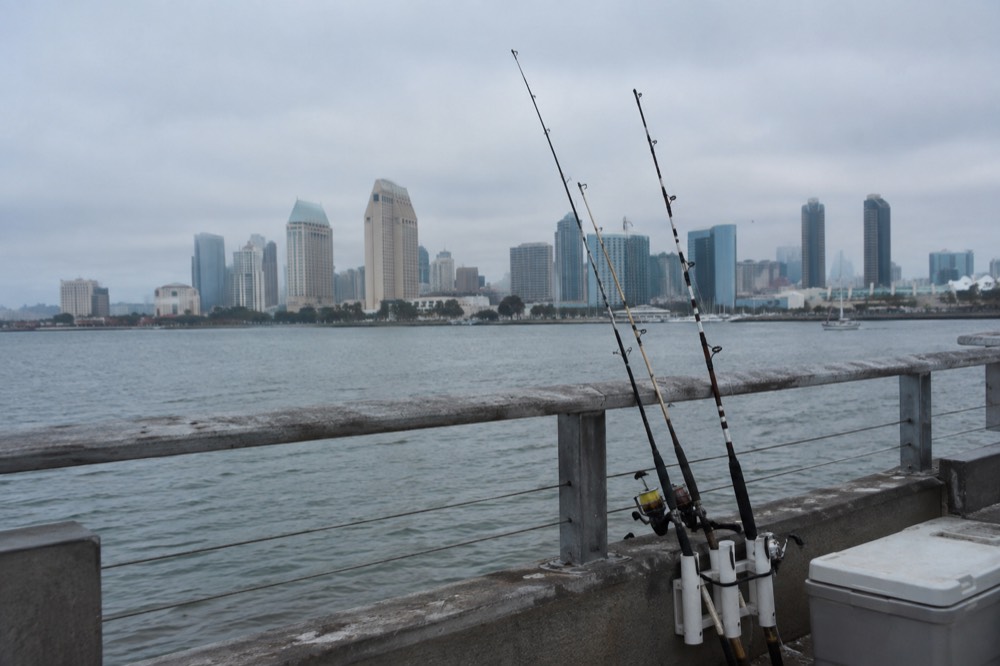
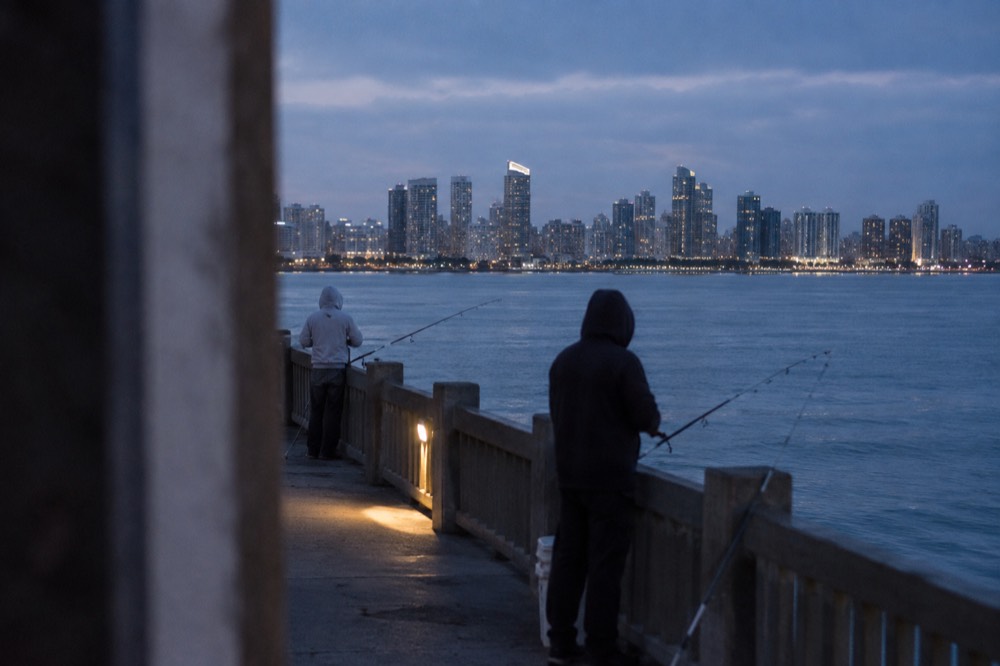
Timing within the day matters more than timing within the year for this kind of fishing. The National Park Service's own whale-watching guidance for Point Loma notes that viewing conditions are best on calm days or in the morning before the wind picks up, and the same logic applies to casting from a pier: the typical San Diego day is calm at dawn and breezier by afternoon, especially in spring and summer. Plan pier sessions for the first few hours of daylight and you get calmer water, thinner crowds and cooler air in every month.
Safety basics are published by the city and worth repeating. Rip currents are the primary hazard on San Diego beaches, and the official advice is to stay calm, swim parallel to the shore until the pull relaxes, then swim in, and to swim near a lifeguard rather than alone. Piers mostly remove you from that equation, but if a pier session turns into a surf session, the city's rip-current page is the reference to read first. Alcohol is prohibited on San Diego's beaches, boardwalks and parks, so leave the cooler beer at home.
Offshore Trips, Whale Season and the Winter Months
Winter is not a dead season in San Diego water, it is a different one: more than 20,000 gray whales pass offshore each year, most of them in late December, January and February, with mid-January the peak of the migration, so the cold months are when the boats are busiest and the offshore water is at its most alive.
The National Park Service publishes this at Cabrillo National Monument, where the Kelp Forest Overlook and the Old Point Loma Lighthouse are named as the best land-based viewing points, and the park runs a Whale Watch Weekend and Intertidal Festival in late January or early February. The northbound leg stretches the season out: some whales begin swimming north in late February, and cows with calves stay until March or April. None of this is fishing, but it changes the character of a winter trip, and a 3-hour whale watch cruise is the product that matches it.
For the fishing itself, the honest line is this: specific month-by-month species calendars for San Diego are not published in any primary source this site could verify, so any page promising one is guessing. What is verifiable is the water temperature curve, and the general principle that near-shore kelp fishing follows it. If a particular species is the whole point of your trip, ask the charter operator directly before booking, and treat their answer as the live, current word rather than anything printed here.
The winter months also have a practical advantage that has nothing to do with fish. December through March carry 7.3 of the year's rain inches, but that still means most winter days are dry, with normal highs in the mid 60s and normal lows around 50. You will want a jacket for a dawn pier session in January. You will not need a plan B.
How to Pick Your Month: A Quick Decision Framework
If you want the warmest water and the thinnest crowds, go in September; if you want the warmest water, period, go in August; if you want to combine fishing with a whale watch, go in January; and if you just want to cast a line off a pier whenever your trip happens to be, any month works, with mornings better than afternoons.
That is the whole decision compressed. The one thing to resist is the assumption that summer means July, because San Diego's climate normals say otherwise: July's normal high is 75.3 degrees against August's 77.3 and September's 77.2, and the ocean tells the same story, 66.5 degrees in July against 68.7 in August. The marine layer is why. It is also why June, despite being a summer month on the calendar, has a lower normal high than October, a fact that catches out visitors every year and one we walk through in more depth in our coverage of the coldest month in San Diego.
If your trip is built around something other than fishing, a good month for the city overall is also a good month for a fishing morning, and our answer on the best month to go to San Diego works through that question in full. The two answers rhyme: late summer and early fall win on weather, winter wins on whales and crowds, and there is no month to avoid outright.
One last planning note. Fishing regulations, license requirements and bag limits are set by the state and change, and this site does not track them, so check the current California saltwater fishing rules before your trip rather than relying on any guide page, including this one. The water temperature and the whales will still be there when you get back.
Common Questions About Fishing in San Diego
what is the best month to fish in san diego?
September is the strongest single answer for most visitors: the ocean averages 67.6 degrees at Scripps Pier, the normal high is 77.2 degrees, and coastal crowds are at their lowest of the year. August has the warmest water at 68.7 degrees if you do not mind the peak-season crowds, and January is the pick if you want to pair a fishing morning with the gray whale migration, which peaks in mid-January.
Can you fish from the piers in San Diego year round?
Yes. The oceanfront piers and bayfront spots fish in every month, and guided pier fishing products run year round, which is the operators' own vote of confidence in the format. Mornings are better than afternoons in any month, because the wind typically picks up later in the day.
Is winter too cold to fish in San Diego?
No. Winter normal highs run in the mid 60s, the ocean averages between 58.0 and 58.7 degrees at the pier station from January through March, and December through February is peak gray whale season, with more than 20,000 whales passing offshore each year. Bring a jacket for dawn sessions and plan around the occasional rain day.
Why is June not a good summer month for fishing?
The marine layer, the locals' May Gray and June Gloom, holds June's normal high to 71.7 degrees, lower than October's 74.6, and the ocean averages just 64.0 degrees. Fishing still works, but June gives you the least summer-like conditions of the warm half of the year.
Do I need a boat to fish in San Diego?
No. Pier fishing, bay fishing and shore fishing all work without one, and a guided 2-hour pier fishing experience exists precisely for visitors without gear or local knowledge. Boat trips open up the kelp beds and deeper water, but they are an upgrade, not a requirement.
Where can I check current ocean conditions before a fishing trip?
NOAA's Scripps Pier station, 9410230, publishes the water temperature record used in this article, and the county posts beach water-quality closures at sdbeachinfo.com. Avoid the San Diego Bay station for temperature, since bay water reads several degrees warmer than the open ocean.