What Is the Biggest Concert Venue in San Diego?
The biggest concert venues in San Diego, ranked by size and type, plus how to get there, where to eat first, and what to know before you buy tickets.
what is the biggest concert venue in san diego?
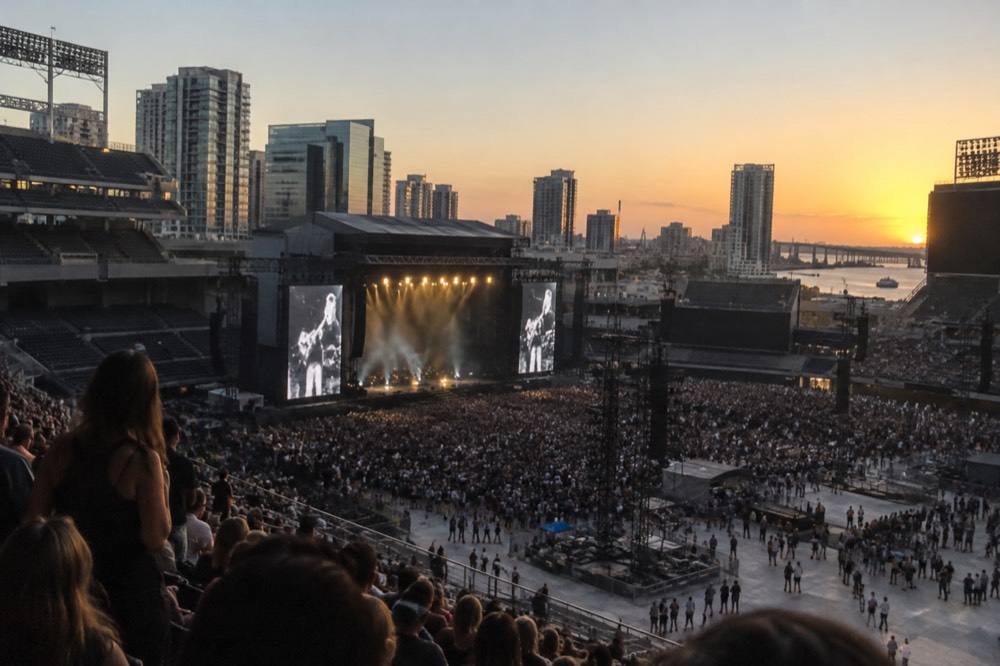
The biggest concert venue in San Diego is Petco Park, the downtown ballpark that regularly converts its outfield into a stage for stadium-sized tours. Beyond it, Snapdragon Stadium in Mission Valley takes the largest outdoor shows east of downtown, Cal Coast Amphitheater in Chula Vista is the biggest dedicated amphitheater, and Pechanga Arena is the largest indoor arena. Which one matters to you depends on the tour you are chasing, not on a single ranking.
The honest answer to this question is that "biggest" means three different things, and San Diego has a different winner in each category. If you mean the venue that can physically hold the most people at a concert, you are talking about a stadium. If you mean the venue designed from the ground up for live music, you are talking about an amphitheater. And if you mean the biggest room with a roof, so the show happens rain or shine, you are talking about an arena.
Petco Park sits in the middle of all of this because it does double duty. For most of the year it is the home of the Padres, and on tour routing days it becomes the largest concert stage in the city. The park's location is what makes it the default answer for a visitor: it is downtown, it is walkable from the Gaslamp Quarter, and it sits on the Trolley network. Our Petco Park visitor guide covers the ballpark experience in detail, including what a stadium show feels like from the stands versus the field.
The venue the locals will name first, though, is often not Petco at all. It depends on which side of town they live on, and that is worth understanding before you buy anything.
Which Venues Host the Biggest Tours?
The stadium-scale tours land at Petco Park and Snapdragon Stadium, the mid-size amphitheater circuit plays Cal Coast Amphitheater, and the arena tours that need a roof play Pechanga Arena. Each sits in a different part of the county, so the venue on your ticket dictates your whole evening: where you eat, how you travel, and when you leave.
Petco Park, downtown, takes the largest single tours that route through San Diego. A ballpark concert puts the stage in the outfield and the crowd across the infield and stands, and because the park is bounded by the Gaslamp Quarter on one side and the waterfront on the other, a show night turns the whole eastern edge of downtown into a pedestrian festival. If you are planning around a Padres game instead of a concert, our going to a Padres game at Petco Park guide walks through the practical details.
Snapdragon Stadium in Mission Valley is the newer of the two big outdoor rooms, and it hosts the concert-scale events that want a purpose-built stadium rather than a converted ballpark. Mission Valley is the geographic center of San Diego, which means it is the one big venue that is genuinely convenient from almost anywhere in the county rather than easiest from downtown.
Cal Coast Amphitheater, in Chula Vista, is the region's big shed: an outdoor amphitheater with a covered pavilion and a lawn, built for the summer touring circuit. It trades downtown walkability for space, and the trade is real. You are not strolling to dinner from the parking lot, so the standard pattern there is tailgating or eating before you drive in.
Pechanga Arena, in the Midway district near Old Town and Point Loma, is the biggest indoor arena. It gets the tours that play in the fall and winter, the family shows, and the acts whose production needs a ceiling. Its location is quietly excellent for visitors: it sits between downtown and the beach neighborhoods, so you can pair a show with Ocean Beach or Mission Bay without crossing the whole city.
| Venue | Neighborhood | What plays there | Getting there without a car |
|---|---|---|---|
| Petco Park | East Village, downtown | Stadium-scale summer tours | Trolley Blue, Orange or Green line to 12th & Imperial or Gaslamp Quarter station |
| Snapdragon Stadium | Mission Valley | Stadium shows, festivals | Trolley Green line to the stadium's own station |
| Cal Coast Amphitheater | Chula Vista | Summer amphitheater tours | Realistically a car or rideshare; the Trolley's Blue line reaches Chula Vista but not the venue |
| Pechanga Arena | Midway district | Arena tours, winter shows | Bus from Old Town; a short rideshare from downtown |
The one thing worth knowing before you commit to any of these: San Diego's big venues are genuinely spread out, and the "San Diego" on your ticket might mean a 25 minute drive from your hotel. Check the venue address against where you are staying before you book, not after. Our where to stay in San Diego guide helps you match a neighborhood to the rest of your trip.
If a downtown show is the anchor of your evening, the rest of the night plans itself, and a narrated trolley loop is a good way to see how the pieces connect on a day when you are not racing to a door time.
How Do You Get to a Big Show Without a Car?
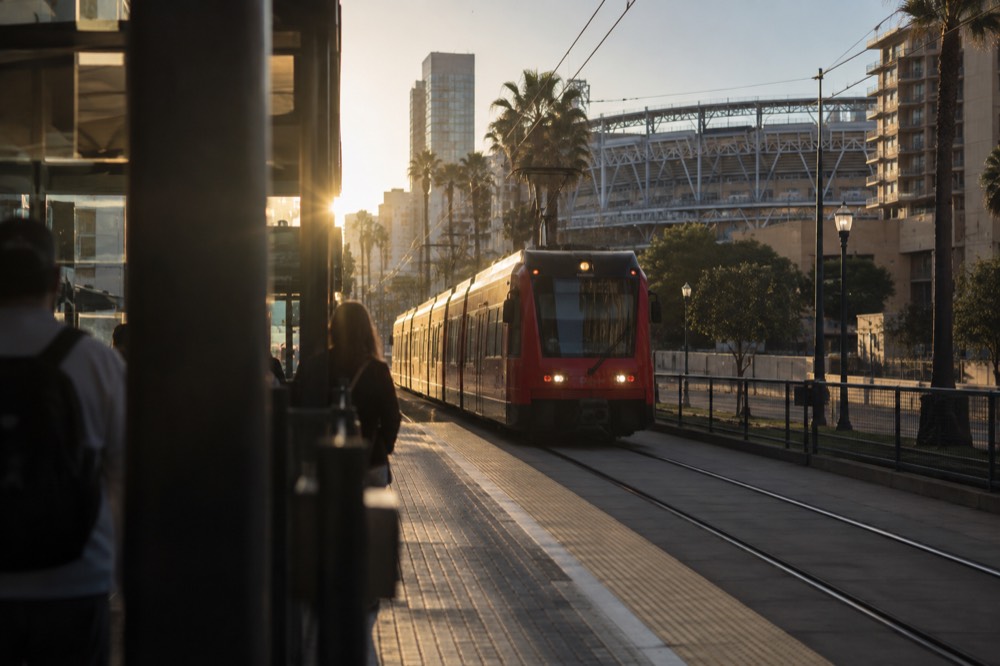
Downtown venues are the easy case: the MTS Trolley serves Petco Park directly and a one-way fare is $2.50, with a $6 day pass, so most downtown shows need no car at all. Snapdragon Stadium has its own Green line station. Cal Coast Amphitheater and Pechanga Arena are the two that usually push visitors toward a rideshare or a rental, and parking there is part of the cost of the ticket.
The Trolley is the reason a downtown concert is the low-stress choice. The fare chart publishes $2.50 one-way with two-hour transfers and a $6 day pass, and the PRONTO system caps your rides at the day-pass value automatically as you pay, so there is no reason to buy a pass in advance. Load the app or a $2 card, tap on, and the system stops charging you once you have hit the day-pass total. Youth 18 and under ride free, and up to two children aged 5 and under travel free with a paying adult.
For Petco Park, the 12th & Imperial transfer station sits a block from the outfield gates, and the Gaslamp Quarter station puts you in the middle of the pre-show restaurant strip. For Snapdragon, the Green line stops at the stadium itself, which is the single best transit answer of the four venues: you can park anywhere along the line and let the Trolley handle the traffic.
Cal Coast Amphitheater is the honest exception. It sits far enough south that the Blue line helps with distance but not with the last stretch, and on a show night the roads around it fill early. If your trip already includes a day trip south, our Chula Vista guide covers the area, but plan on driving to this one.
Pechanga Arena sits between Old Town and the beaches, reachable by bus and a short rideshare from downtown, and close enough to Point Loma and Ocean Beach that a show pairs naturally with an afternoon on that side of town.
If you would rather see the whole downtown-to-waterfront layout before show night, the Hop-on Hop-off Trolley Tour runs a narrated loop valid for two days, and it passes the ballpark district, the Embarcadero and the Gaslamp Quarter, so you can scout your walking routes while the streets are quiet.
Where Should You Eat Before a Downtown Concert?
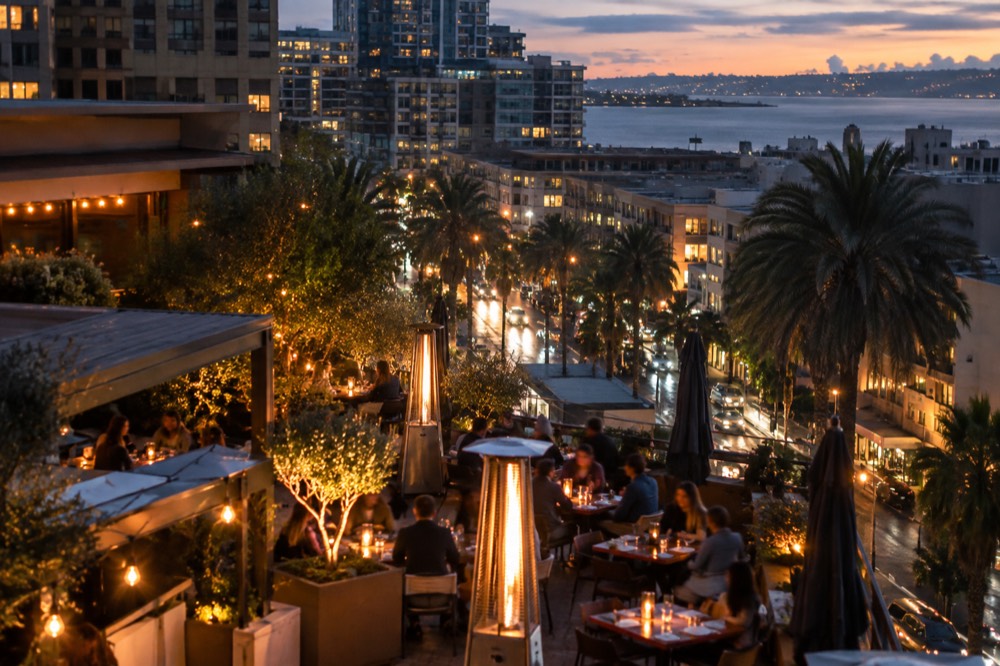
The Gaslamp Quarter and East Village, both within a short walk of Petco Park, hold the densest pre-show dining in the city, and the Embarcadero and Seaport Village add waterfront options a few minutes further. For Snapdragon and Cal Coast, eat before you travel, because the venues themselves are surrounded by parking lots more than restaurants.
A Petco Park show night is the best eating scenario in the city. The blocks between the Gaslamp Quarter and the ballpark are wall-to-wall restaurants, and the walk from dinner to the gates takes minutes. The neighborhood gets loud and gets busy, so book a table ahead for anything you actually care about, and aim to be finished an hour before doors rather than thirty minutes. Our Gaslamp Quarter guide maps out the neighborhood, and if you want a deeper food experience than a pre-show rush allows, the Gaslamp Quarter Food and Drink walking tour spends two and a half hours on exactly that strip.
Little Italy, a longer walk or one quick Trolley hop from the ballpark, is the calmer alternative when the Gaslamp feels like too much. Our Little Italy guide covers it, and its restaurant density makes it a reliable fallback on a sold-out night when every table near the stadium is gone.
For Snapdragon, Mission Valley's restaurant row along Friars Road and the surrounding malls do the pre-show work, but the traffic math changes: everyone is driving to the same station, so eating close to the venue means sitting in the same queue twice. Locals tend to eat in their own neighborhood first and drive in late. For Pechanga Arena, the Midway district and Sports Arena Boulevard have enough options, and Ocean Beach and its pier are close enough to turn a winter arena show into a beach afternoon.
The pattern to take from all of this: downtown shows reward walking, and every other venue rewards eating somewhere else first. Planning the meal and the travel as one decision, rather than two, is what separates a relaxed show night from a sprint.
What Should You Know Before Buying Tickets?
Match the venue to the tour first, then check the transit and parking reality second, because the ticket price is only part of the night's cost: downtown shows add a $2.50 Trolley fare, while Cal Coast and Snapdragon add parking, traffic and an early start. Buy from the venue or the artist's official channels, and treat anything else as a last resort.
The biggest practical mistake visitors make with San Diego concerts is buying on the name of the city alone. A ticket that says San Diego might mean a venue 20 minutes and a county line away from your hotel, and a 7 pm doors time at Cal Coast Amphitheater means leaving downtown before 5:30 if you want dinner anywhere that is not a parking lot. Check the venue's address on its own page before you book, and check it against where you are actually staying.
The second mistake is assuming the weather needs no thought. San Diego's coast runs cooler and greyer in late spring than newcomers expect: June's normal high, 71.7F, is lower than October's 74.6F, because the marine layer locals call May Gray and June Gloom sits over the beaches while inland stays clear. An outdoor show in June can mean a jacket and an overcast sunset, while the same show in September or early October often gets the warm, clear evening the brochures promised. Our San Diego weather and best time to visit guide covers this in full.
The third is parking. Downtown stadium shows are the one case where parking is genuinely optional, because the Trolley solves it, and downtown meters run $2.50 an hour with enforcement into the evening in the busiest zones, so a car parked at a meter since lunch can be an expensive surprise. At the other venues, parking is charged on arrival and priced by the venue, not by the city, so check the venue's own site for the current rate rather than any guide's number.
If your concert is one anchor of a longer trip, our San Diego weekend ideas guide helps you build the rest of the itinerary around the show night, and the pages here on Things to Do in San Diego cover every neighborhood in between.
Planning a Trip Around a Show?
A concert ticket works best as one block in a fuller day, not the whole day, and the format you pick for the rest of it should match the venue you are headed to. A downtown stadium show pairs naturally with a narrated trolley loop or a waterfront walk earlier in the afternoon, while a Mission Valley or Chula Vista show leaves the morning free for the beaches and the park.
Build the itinerary backwards from the doors time and the venue's address, and the rest of the trip falls into place.
A big concert is a good spine for a San Diego trip, but the venues sit in very different corners of the county, and the best trip plans treat the ticket as one block in the day rather than the whole day. These are the formats that pair well with a show night downtown.
Common Questions About the Biggest Concert Venue in San Diego
what is the biggest concert venue in san diego?
Petco Park is the biggest venue that hosts concerts, converting its outfield into a stadium stage for the largest tours. Snapdragon Stadium is the biggest purpose-built stadium for shows, Cal Coast Amphitheater is the biggest dedicated concert amphitheater, and Pechanga Arena is the biggest indoor arena. The right answer depends on whether you measure by total capacity, by design, or by roof.
Is Petco Park bigger than Snapdragon Stadium for concerts?
Both are stadium-scale venues that host the largest tours, but they serve different parts of the county. Petco Park is downtown and walkable from the Gaslamp Quarter, while Snapdragon Stadium sits in Mission Valley with its own Trolley station on the Green line. Check the tour routing for the artist you want to see, since major tours usually play only one of the two.
Can you get to a San Diego concert without a car?
Yes for downtown and Mission Valley. The MTS Trolley serves Petco Park directly via the 12th & Imperial and Gaslamp Quarter stations, and the Green line stops at Snapdragon Stadium. A one-way fare is $2.50 and a day pass is $6, and the PRONTO fare system caps your rides at the day-pass value automatically. Cal Coast Amphitheater and Pechanga Arena usually need a rideshare or a car.
Where do you eat before a Petco Park concert?
The Gaslamp Quarter and East Village, both within a short walk of the gates, hold the densest concentration of restaurants in the city. Book ahead on show nights, since the neighborhood fills early, and Little Italy is the calmer alternative one quick Trolley hop away. Finish eating about an hour before doors rather than cutting it close.
What is the weather like at outdoor San Diego concerts?
Warm and dry from July through October, with August the warmest month by normal high temperature at 77.3F. Late spring is the surprise: the marine layer keeps June's normal high, 71.7F, below October's, so a June outdoor show can be grey and cool while a September one is warm and clear. Bring a layer for any evening show near the coast.
Do San Diego concerts sell out quickly?
Stadium-scale tours at Petco Park and Snapdragon Stadium sell fastest, since one date serves the whole county and often draws from beyond it. Arena and amphitheater shows move at the pace of the act rather than the venue. Sign up for venue and artist mailing lists before your trip, and check the venue's own calendar for newly added dates, which are common after an initial sellout.