Where Is the Best Place to Walk Around and Shop in San Diego?
The best walkable shopping districts in San Diego, compared: Seaport Village, the Gaslamp Quarter, Little Italy, Old Town, La Jolla and Coronado, with transit and parking advice.
Where Is the Best Place to Walk Around and Shop in San Diego?
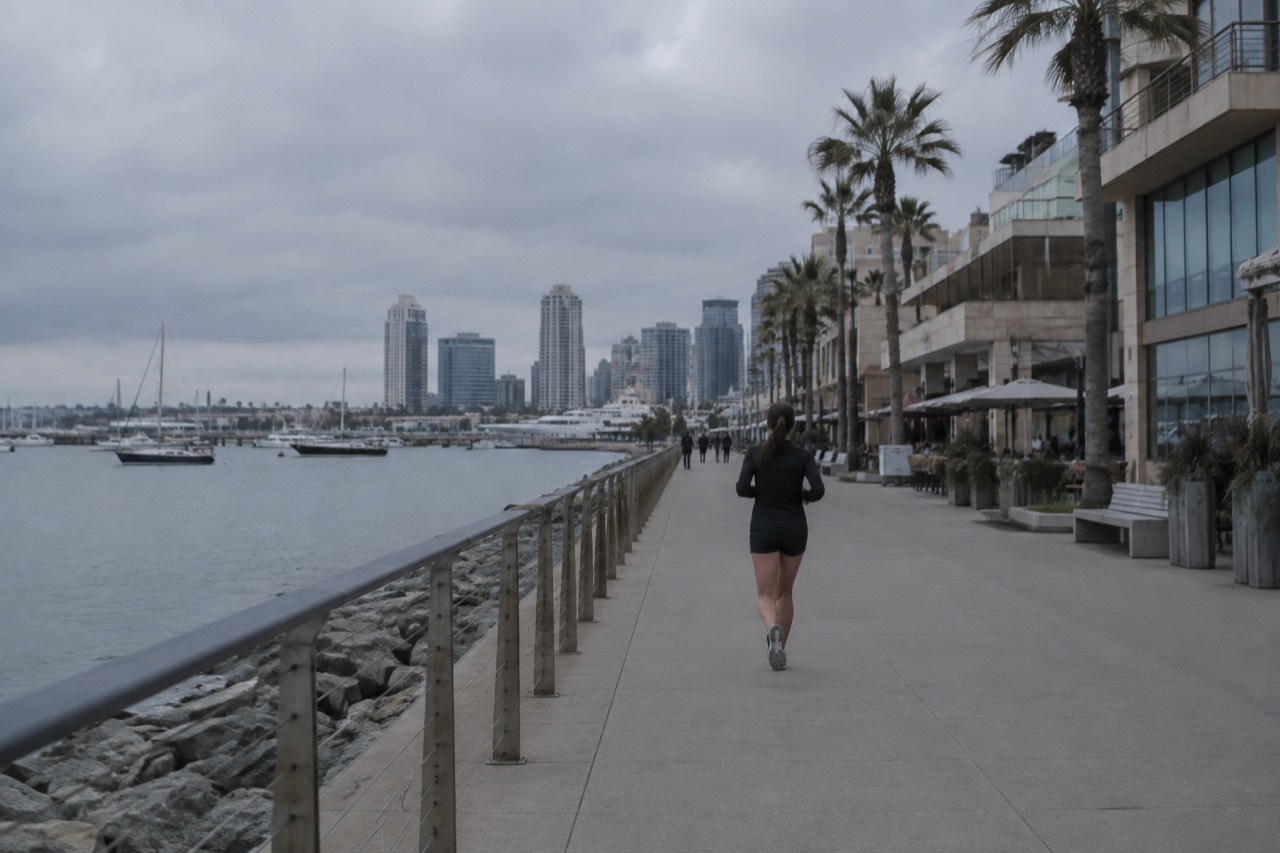
Seaport Village is the best single answer: a 14-acre waterfront shopping district on San Diego Bay where everything sits in a flat, pedestrian-only loop of boutiques, galleries and snack stands, steps from downtown hotels and the Embarcadero. If your shopping trip is really about the walk, this is the district built for it. The Gaslamp Quarter is the stronger pick for evening shopping before dinner, Little Italy for food and design finds, and Old Town for souvenirs with history attached. La Jolla and Coronado reward a longer trip with the prettiest walks of all.
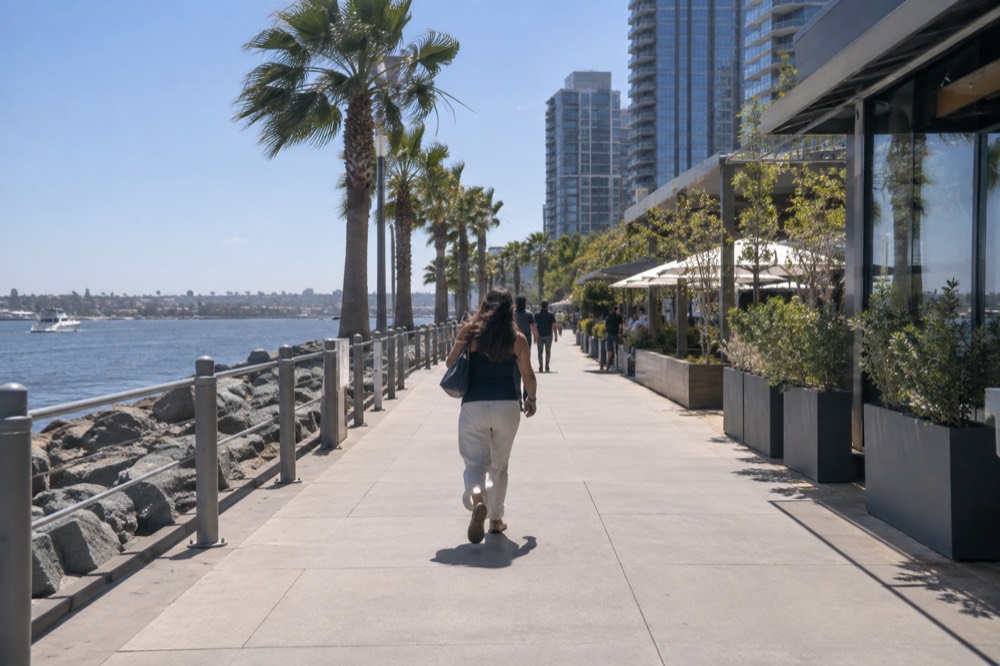
The honest framing matters here. San Diego is not a single shopping city the way some destinations are: it is a string of small walkable districts, each with its own character, spread across roughly 20 miles of coastline and downtown. Picking the "best" one depends less on the shops and more on what kind of walk you want wrapped around them. A bayfront stroll with an ice cream cone is a different product from a gallery crawl or a souvenir run, and San Diego happens to be excellent at all three.
This guide compares the main candidates district by district, then covers the practical layer that actually decides your day: how to get between them without a car, where parking is worth the trouble, and when the crowds thin out. Every district below is walkable on its own two feet, which is the point of the question.
Which San Diego Neighborhoods Are Best for Walking and Shopping?
The five strongest walk-and-shop districts are Seaport Village on the waterfront, the Gaslamp Quarter downtown, Little Italy just north of it, Old Town a trolley stop further, and La Jolla by the sea, with Coronado as the relaxed day-trip option. Each one is genuinely pedestrian-friendly, compact enough to cover in an afternoon, and different enough from the others that the ranking depends on what you are shopping for. None of them requires a car once you have arrived, and four of the six sit directly on the MTS Trolley or a short walk from it.
Seaport Village wins on pure walkability. It was designed as a shopping destination rather than growing into one, which means no through-traffic, a continuous bayfront path, and a carousel for kids who get bored of boutiques. The shops lean tourist-adjacent: specialty foods, toys, art, nautical gifts. The setting is the product. You can extend the walk along the Embarcadero past the maritime ships and toward the USS Midway, which turns a shopping stop into a half-mile waterfront promenade with aircraft carriers in view.
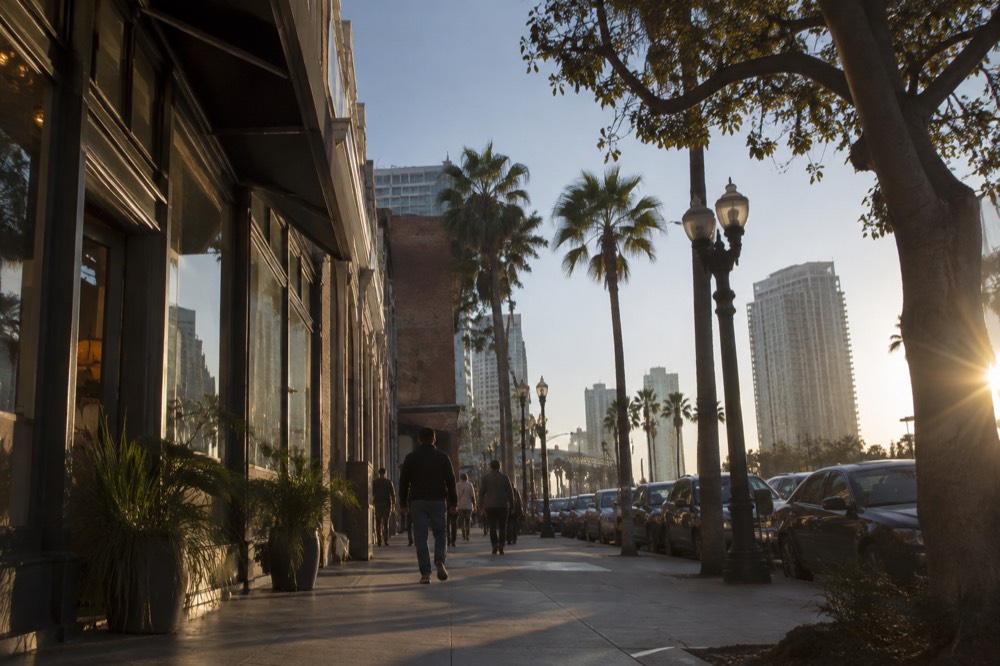
The Gaslamp Quarter, covered in depth in our Gaslamp Quarter neighborhood guide, is the historic-heart version: Victorian-era buildings housing national retailers, sneaker shops, record stores and bars. It is the district that blends shopping into an evening out, and it is the one place downtown where the walk itself, past restored facades and under neon, is as good as the purchases. Weekend afternoons are the sweet spot; late evenings belong to the nightlife crowd.
Little Italy is the locals' favorite, and it earns that on two streets. India Street carries the design stores, kitchen shops, and boutiques, all anchored by a weekly farmers market that is itself one of the best walks in the city. Our Little Italy guide covers the food side; for shopping, the district is small, dense and flat, which is everything you want on foot. Old Town answers the souvenir question with a historic plaza setting, and La Jolla, covered in our La Jolla neighborhood guide, pairs Prospect Street's galleries with the best coastal walk in the county.
If you would rather have a guide structure the walk than plan it yourself, a guided option changes the math. The Balboa Park walking tour with a local guide runs two hours through the park's gardens and architecture, and Balboa Park itself carries a cluster of museum gift shops that are among the best browsing in the city. The park grounds are free to walk, and the free Sunday concerts at the Spreckels Organ Pavilion give a shopping-and-strolling day a natural endpoint.
For a faster loop that stitches two districts together, the guided e-bike tour of Balboa Park and the Gaslamp Quarter covers ground that would take a full day on foot. It suits travelers who want the lay of the land early in a trip, then return to the districts that earned a second look.
What Can You Buy in Each Shopping District?
Seaport Village and Old Town are strongest for souvenirs and gifts, the Gaslamp Quarter for fashion, sneakers and entertainment, Little Italy for food, kitchenware and design, and La Jolla for art galleries and upscale boutiques. Coronado's Orange Avenue mixes resort wear and independent shops with the island's famously relaxed pace, and each district pairs its retail with a distinctly different kind of walk. If one purchase defines your trip, match it to the district rather than driving yourself between all six in a single day.
| District | Best for | Walk character | Getting there without a car |
|---|---|---|---|
| Seaport Village | Souvenirs, specialty food, bay views | Flat, pedestrian-only loop | Short walk from downtown hotels and the Embarcadero |
| Gaslamp Quarter | Fashion, sneakers, records, nightlife | Historic blocks, evening energy | Trolley to Gaslamp Quarter station |
| Little Italy | Food, kitchenware, design, farmers market | Two compact flat streets | Trolley to Little Italy station |
| Old Town | Souvenirs, crafts, historic plaza | State historic park setting | Trolley to Old Town Transit Center |
| La Jolla | Galleries, upscale boutiques, coastal walk | Prospect Street plus clifftop path | Bus or rideshare from downtown |
| Coronado | Resort wear, independents, beachfront | Small-town Orange Avenue | Ferry or bus across the bay |
The farmers market layer deserves a special note. San Diego's markets are walking events as much as shopping events, and Little Italy's weekly market is the flagship. Our San Diego farmers markets guide maps the full calendar, but the pattern is consistent: arrive early, walk the stalls before the crowds, and treat the surrounding streets as the second half of the stroll. Old Town's market days pull the same trick against the adobe backdrop of the state historic park.
Balboa Park deserves its own line in any shopping answer even though it is not a shopping district, because the museum stores there are genuinely good and the walk between them is the most beautiful in the city. The Botanical Building and Lily Pond, free to enter, sits at the center of it, and the park grounds and gardens carry no admission at all. Our Balboa Park museums guide explains which museums need tickets, but for a pure walk-and-shop day you can stay outdoors and browse the gift shops without buying a single admission.
How Do You Get Between Shopping Districts Without a Car?
The MTS Trolley connects Seaport Village, the Gaslamp Quarter, Little Italy and Old Town in a single downtown corridor, with an adult fare of $2.50 one-way or a $6.00 day pass, and the PRONTO card or app caps your rides automatically so there is no reason to buy a day pass up front. The Blue, Orange and Green lines all thread through the downtown stations, and the walk from any of them to the shopping streets is under ten minutes. A car is only genuinely useful for La Jolla, Coronado and the North County coastal towns.
The fare detail is worth knowing because it changes behavior. PRONTO applies fare capping: once your individual rides in a day total the day-pass value, the system stops charging you, as the official MTS fare chart spells out. Tap the same card or phone each ride and the math takes care of itself. Two children aged five and under ride free with a paying adult, and youth 18 and under ride free on the Youth Opportunity Pass.
Parking, when you do drive, is the real cost of a shopping day downtown. Meters run $2.50 per hour with enforcement generally Monday to Saturday, 8:00 am to 6:00 pm, and Sunday is no longer free everywhere: enforcement was extended into commercial areas of Downtown, Uptown, Mid-City and Pacific Beach under recent reforms. The City of San Diego parking FAQ has the zone-level detail. Posted signs always win, so read the block before you leave the car. For Balboa Park specifically, paid lot parking currently runs $8 to $16 a day depending on the lot and residency, and City Council has approved removing paid parking entirely from 1 January 2027, so treat any parking figure you read elsewhere with suspicion until you see the lot.
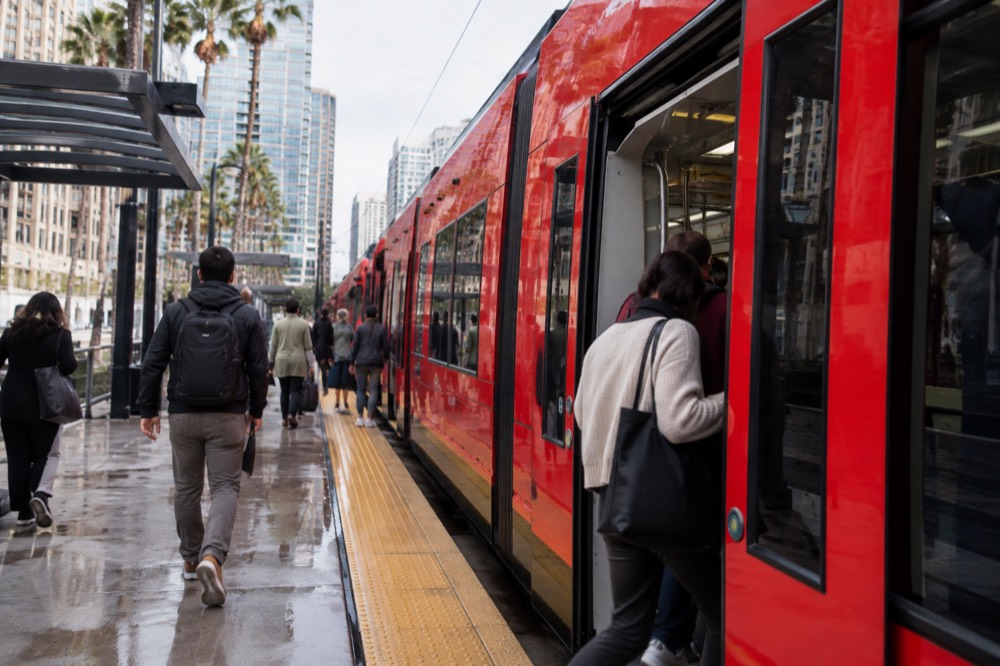
The car-free loop that ties the whole answer together is simple. Start at Seaport Village on the waterfront, walk north through the Embarcadero, cut inland to the Gaslamp Quarter, then trolley or walk up to Little Italy, and finish with a trolley ride to Old Town. That is four distinct shopping districts, one transit fare capped at day-pass value, and not a single parking meter. It is the closest thing San Diego has to a purpose-built walk-and-shop day, and Things to Do in San Diego rates it above any single district on its own.
When Is the Best Time to Go Shopping in San Diego?
Weekday mornings are the calmest time in every district, summer weekends are the most crowded, and September is the quiet-warm sweet spot: its normal high of 77.2F actually beats July's, yet it is one of the lowest visitation months of the year at the city's major monuments. The marine layer locals call May Gray and June Gloom greys the coast in late spring while inland stays clear, which matters if your shopping walk doubles as a photo walk. Rain is barely a factor: August averages one hundredth of an inch for the whole month.
The September point is the one most visitors miss. The temperature normals show August and September as the warm months, not July, and the ocean is at its warmest in August at a mean of 68.7F off La Jolla. Yet September sits near the bottom of the visitation tables. For a walking-and-shopping trip, that combination, warm air, warm water, thin crowds, is the best window on the calendar, and it applies to every district in this guide.
Within a week, the rhythm is consistent. Seaport Village and Old Town fill with families by midday, so shop them before 11:00 am or after 4:00 pm. The Gaslamp Quarter barely wakes before noon and is at its best from late afternoon, when the facades light up. Little Italy's farmers market morning is its own event and worth building a day around. And if any of this planning sounds like work, the one day in San Diego itinerary pre-assembles a walkable downtown day that already includes the waterfront and Gaslamp legs.
Common Questions About Walking and Shopping in San Diego
where is the best place to walk around and shop in san diego?
Seaport Village, a pedestrian-only waterfront loop of boutiques and galleries on San Diego Bay. The Gaslamp Quarter, Little Italy and Old Town are strong alternatives depending on whether you want evening energy, food and design, or souvenirs.
Is Seaport Village or the Gaslamp Quarter better for shopping?
Seaport Village is better for a relaxed daytime stroll and souvenirs on the water. The Gaslamp Quarter is better for fashion, sneakers and shopping that turns into dinner or a night out, and it is at its best from late afternoon onward.
Can you shop in San Diego without a car?
Yes for the core districts. The Trolley connects Seaport Village, the Gaslamp Quarter, Little Italy and Old Town for $2.50 one-way, and the PRONTO system caps your daily spending at the day-pass value automatically. A car is only needed for La Jolla, Coronado and the North County beach towns.
What is the best shopping district for food?
Little Italy. India Street concentrates kitchenware shops, specialty food stores and the city's flagship weekly farmers market in two flat, walkable blocks, with the neighborhood's restaurants as the reward at the end.
When is the least crowded time to shop in San Diego?
Weekday mornings, and September overall. September's normal high of 77.2F beats July's, yet it is one of the quietest visitation months of the year, so you get warm weather with noticeably thinner crowds in every district.
Is parking hard near the shopping districts?
Downtown meters cost $2.50 per hour and Sunday is no longer free everywhere in commercial zones, so read the posted signs. The car-free Trolley loop between the four core districts avoids the question entirely and is the better plan on weekends.