Things to Do in La Jolla: A Complete Guide to San Diego's Coastal Gem
La Jolla packs sea caves, a famous cove, tide pools, some of the best snorkeling in California and a walkable village into seven miles of coastline. Here is how to plan it.
Short answer
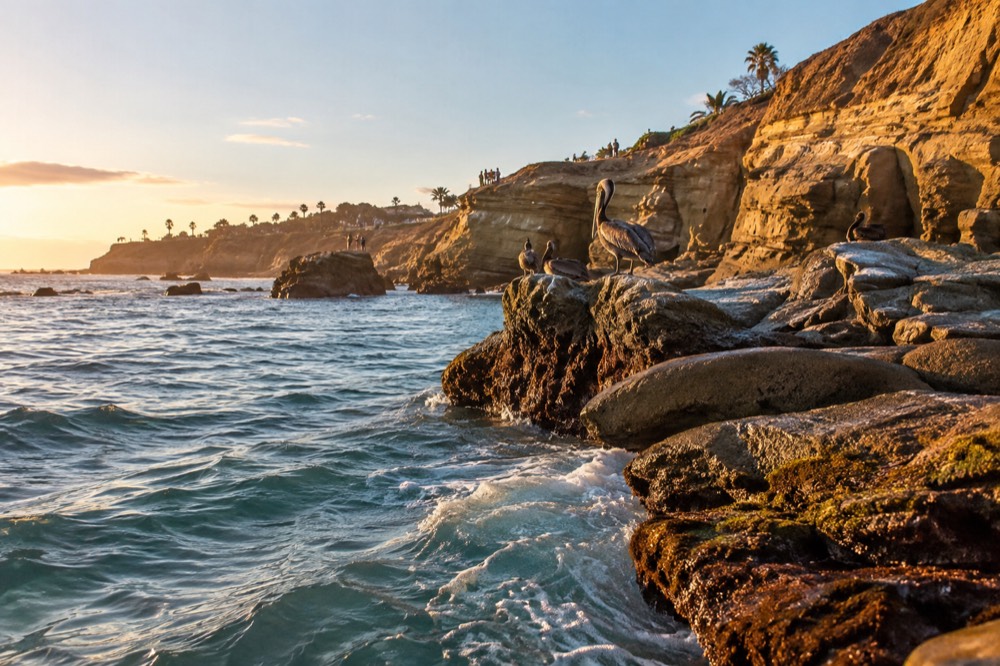
The best things to do in La Jolla are the Cove and its coastal trail, kayaking or snorkeling the sea caves, the tide pools at low tide, Birch Aquarium and the village's restaurants and galleries. Most visitors can cover the highlights in one full day. Bring layers: the marine layer can grey the coast even in summer.
La Jolla is the stretch of coast that San Diego locals show off to visitors, and it earns the reputation. Seven miles of sandstone cliffs, a sheltered cove where sea lions haul out a few yards from swimmers, sea caves you can paddle into, and a village of galleries and taco shops sitting on top of it all. The whole thing is walkable, which is rare for Southern California, and the MTS trolley and buses reach it for a couple of dollars.
This guide covers what to do, how the beaches differ, what the water is actually like month by month, where to park without losing an hour, and how much time you need. A few honest warnings are folded in too, because La Jolla's popularity is its own obstacle: summer weekends fill up early, the cliffs are unfenced in places, and the wildlife rules are taken seriously here.
What Are the Best Things to Do in La Jolla?
The best things to do in La Jolla cluster along a two-mile stretch of coast: swimming and sea lion watching at the Cove, kayaking or snorkeling the seven sea caves, walking the Coast Boulevard trail to the tide pools, touring Birch Aquarium, and finishing with fish tacos and a sunset in the village. Almost all of it is free to reach, and the paid activities, mostly guided water tours, run one to three hours. If you only have half a day, do the Cove walk and one water activity.
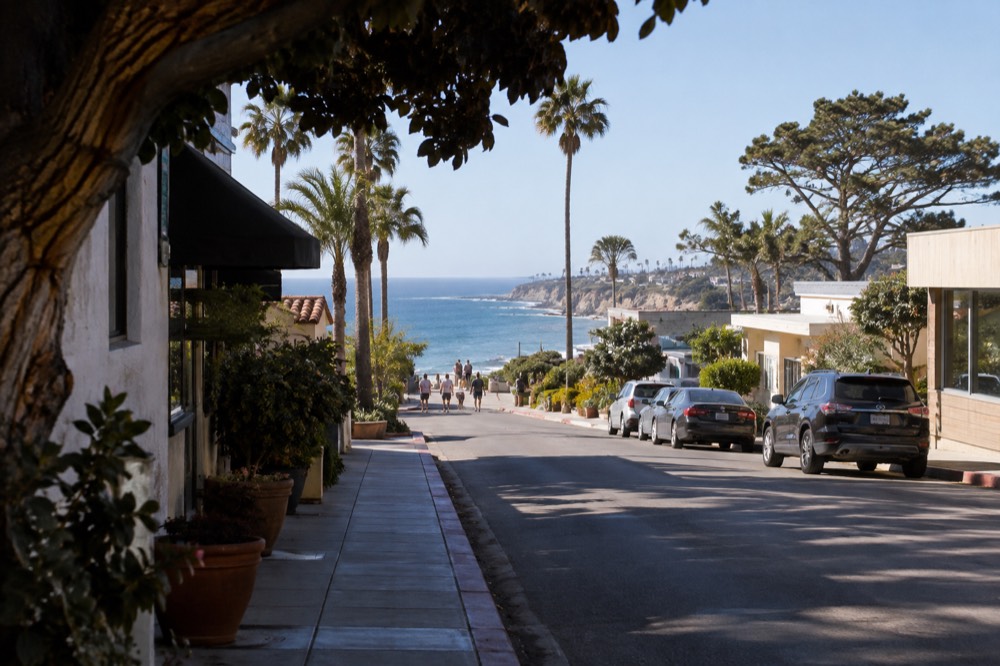
The geography explains the plan. La Jolla Cove sits at the bottom of a curved cliff face, with Ellen Browning Scripps Park, a wide grassy headland, above it. Walk south along the Coast Boulevard trail and you pass Shell Beach, the Children's Pool, Whale View Point and the tide pools below. Walk north and you reach the La Jolla Shores beach and the launch spot for kayak tours heading to the caves. Everything a visitor wants is on that spine.
The village itself sits one block up from the Cove. Prospect Street and Girard Avenue hold the restaurants, the art galleries and the expensive views. It takes twenty minutes to walk the whole village, longer if you stop for a Danish from the bakery on Girard, which you should.
For orientation, here is how the main stops stack up:
| Stop | What it is | Time needed | Cost to reach |
|---|---|---|---|
| La Jolla Cove and Scripps Park | Sheltered swimming cove, sea lions, grass headland | 1-2 hours | Free |
| Coast Boulevard trail | Clifftop walk past Shell Beach and the Children's Pool | 45-90 minutes | Free |
| Sea caves (by kayak or snorkel) | Seven sandstone caves, mostly visited from the water | 1.5-2.5 hours with a tour | Tour prices on the listing |
| La Jolla Shores | Long flat beach, kayak launch, surf lessons | Half day | Free |
| Birch Aquarium at Scripps | Aquarium and tide pool plaza on the UC San Diego campus | 1.5-2 hours | Hours 9:00 am to 5:00 pm, prices on the venue's page |
| The village | Galleries, restaurants, the Museum of Contemporary Art | 2-3 hours | Free to wander |
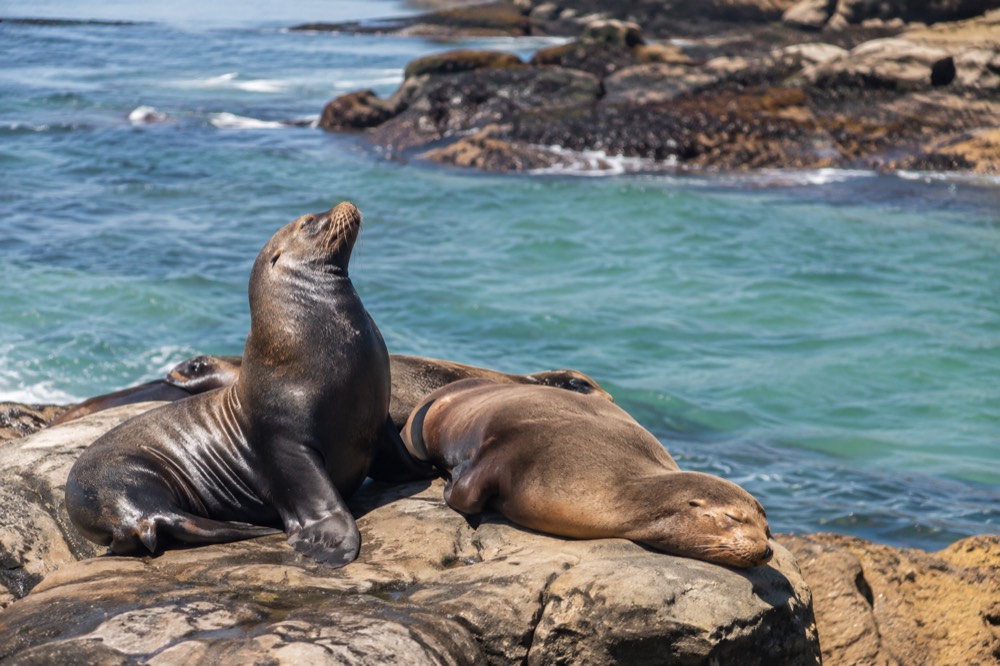
One thing worth knowing before you plan: the sea lions and harbor seals here are protected under federal law, and the rules around them change seasonally. Do not count on specific closure dates you read anywhere, including here, because the seasonal restrictions around the Children's Pool are enforced on the city's own schedule. Watch for posted signs on the day and give the animals distance. That single habit will keep you on the right side of both the law and the local mood.
Is La Jolla Cove Worth Visiting?
Yes, and it is the single best free hour in San Diego. The Cove is a small, sheltered swimming beach ringed by sandstone cliffs, with sea lions on the rocks year round, calm water that is swimmable most days, and a grassy park above it that is the best picnic spot on the coast. Arrive before 10:00 am in summer or you will circle for parking. The water is cold, from the high 50s in winter to the high 60s in August, so most swimmers wear a wetsuit.
The Cove's fame comes from its water clarity. It sits in a long-standing marine refuge, the San Diego La Jolla Underwater Park Ecological Reserve, where fishing and taking of marine life is prohibited, so the kelp forest, garibaldi, sea bass and sheepshead you swim over are abundant and unbothered. On a calm morning the visibility is the best you will find in the city. Snorkelers share the water with sea lions that are curious and completely wild, and the experience of one circling you a few feet away is the reason many people book a trip to La Jolla at all.
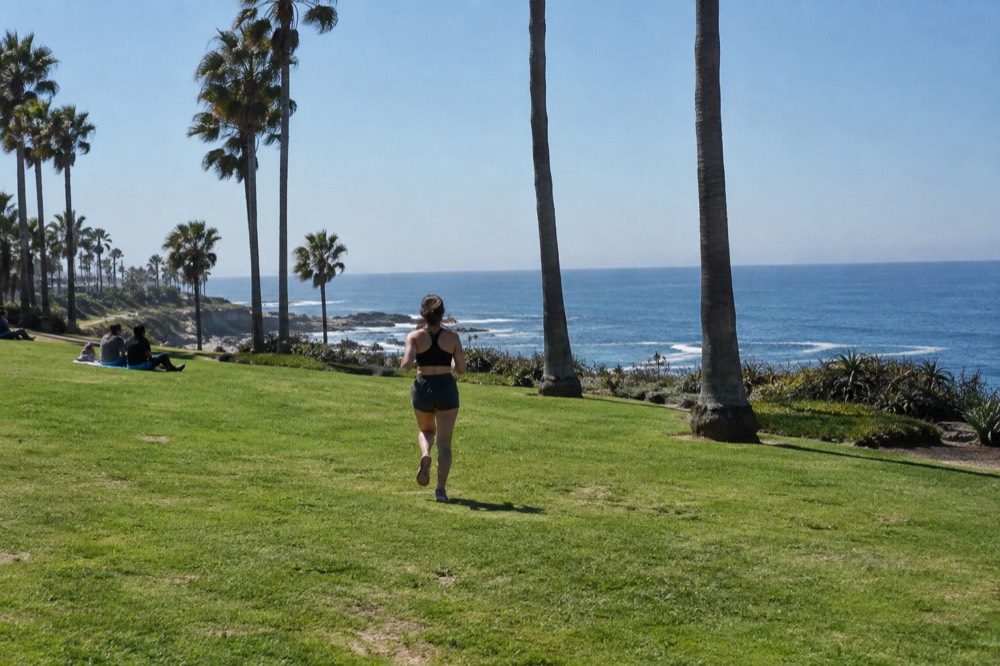
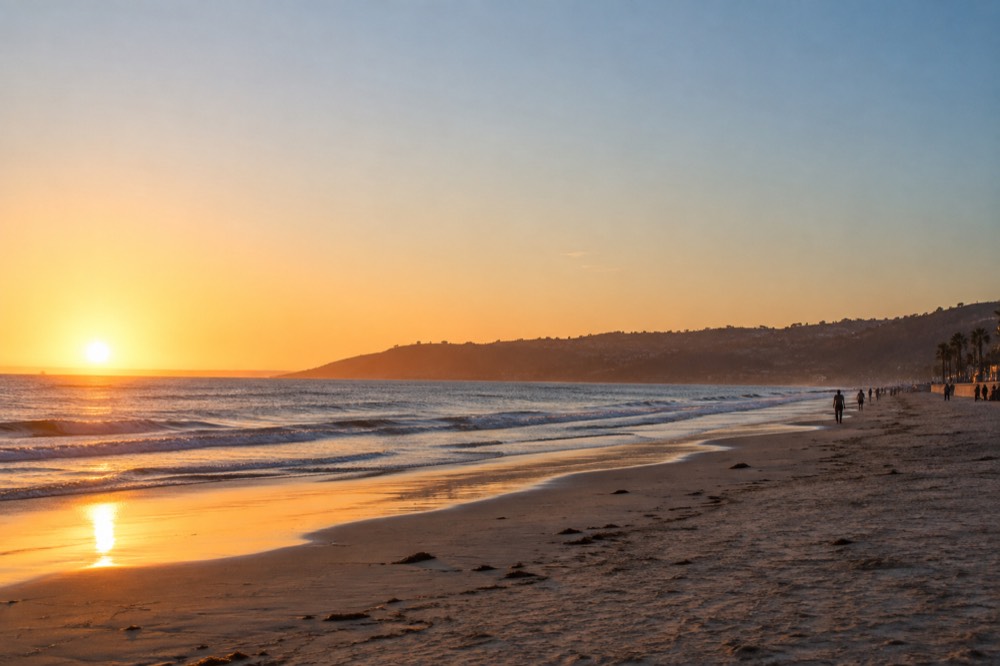
The cliffs above hold the crowds. Ellen Browning Scripps Park is a rolling lawn with palm trees, picnic tables and the kind of sunset that fills camera cards. From the lawn you can watch kayakers drift below the cliffs toward the caves, pelicans stacking up on the rocks, and, in the gray whale season, occasionally a spout offshore. Gray whales pass San Diego from mid-to-late December through March, with mid-January the peak of the migration, and the clifftop here is a legitimate land-based watching spot on calm mornings.
Practical details matter here. City of San Diego lifeguards staff nine permanent oceanfront stations year round, generally 9:00 am to dusk, and the Cove is one of them. Rip currents are the primary hazard on the San Diego coast, and the official advice is simple: stay calm, swim parallel to the shore until the pull relaxes, then swim in. Float and wave for help if you cannot get out. Swimming near a lifeguard is the single best safety decision available. Alcohol is prohibited on San Diego's beaches, boardwalks and parks, so leave the cooler beer at home.
The Cove is also the best place in the city to snorkel from shore without a guide. If you would rather go with someone who knows where the animals are, the La Jolla Cove snorkeling tour with sea lions and caves runs an hour and a half and covers the caves and the sea lion colonies, gear included. It suits swimmers who are confident in the water but new to the reef, and it is the tour most likely to put you face to face with a sea lion.
Can You Kayak the La Jolla Sea Caves Without a Tour?
Yes, you can rent a kayak in La Jolla Shores and paddle to the caves on your own, but most first-time visitors should not. The caves sit along an exposed cliff face, the surf zone at the launch beach is where most accidents happen, and only one cave, Clam's Cave, is safe to enter from the water, and only in calm conditions. Guided tours cost more and handle the launch, the timing and the judgment calls, which is exactly what you are paying for.
The seven sea caves are carved into the sandstone point between La Jolla Shores and the Cove. From the water, kayakers travel along the cliff and can look into the caves, and on genuinely flat days guides will take groups inside Clam's Cave, the widest of them. The other caves are either closed to entry or only reachable at low tide by foot through Sunny Jim's Cave, which has a man-made tunnel entrance from the Cave Store on Coast Boulevard. That tunnel is a paid attraction on private property and a genuinely odd piece of La Jolla history, worth it if the tide is low.
The honest risk assessment: the launch at La Jolla Shores is a surf beach, and kayaks and surf zones mix badly. Tours teach a timed-launch technique, space the group, and abort the inside-the-cave portion when swell makes it unsafe, which happens regularly. Independent renters flip at the launch all the time. If you have ocean kayaking experience and check the surf report, go for it. If you do not, the guided version is the correct choice.
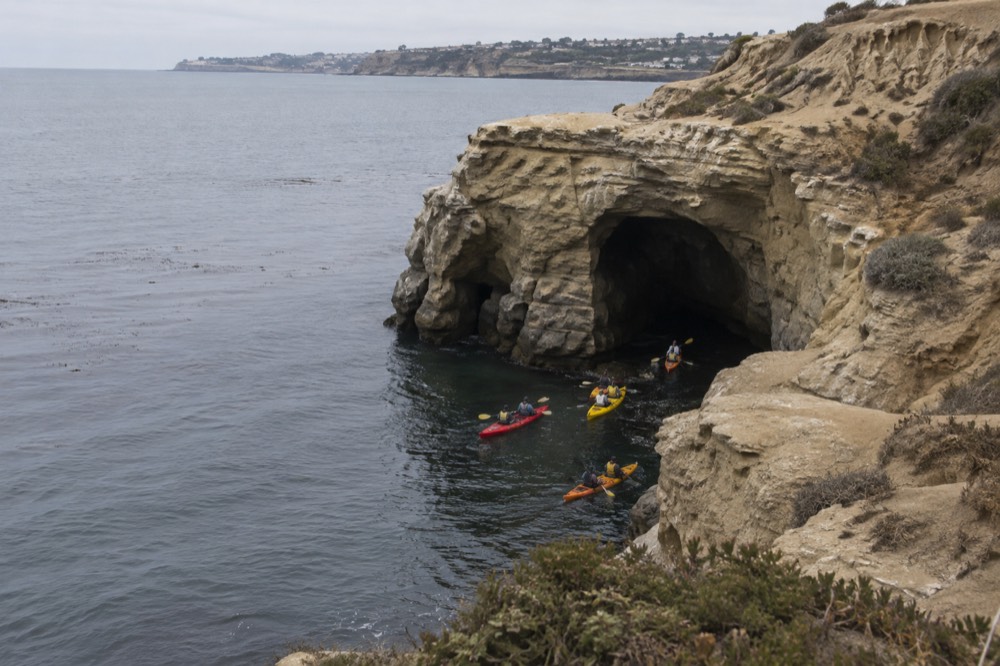
The two best guided options do different jobs. The La Jolla sea cave kayak tour is a two-hour paddle aimed at the caves and the reef, and it is the classic choice. The kayak and snorkel combination tour runs about two and a half hours and adds a snorkel stop over the reef, which is the better pick if you want to actually get in the water with the fish and the sea lions rather than look down at them. Both launch from the Shores with instruction included.
One more planning note that saves people real money and disappointment: book the water activities for the morning. The wind picks up in the afternoon on this coast, the swell often builds with it, and afternoon tours are the ones that get the cave portion cut. A 9:00 am launch gives you the calmest water of the day and the rest of the afternoon for the village.
Where Can You Snorkel, Swim and Surf in La Jolla?
Snorkeling is best inside the Cove and the adjacent reef, swimming is safest at the Cove and La Jolla Shores, and surfing happens at the Shores and the reefs around Windansea. The Shores is the family beach: a mile of flat sand, gentle beginner waves and the kayak launch. Windansea is the opposite, a narrow reef break for experienced surfers with a local crowd. Water temperatures run from about 58 degrees in winter to 68.7 degrees in August, so most people in the water wear a wetsuit.
The Shores deserves its own paragraph because it solves most family problems. The beach is long, the slope is gentle, the lifeguard tower is permanent, and the waves at the south end are where surf schools take beginners. Kellogg Park behind the sand has a playground, a grass strip and showers. If your group splits between swimmers and sightseers, drop the swimmers here and walk the Shores boardwalk while they play.
Windansea, a mile south, is the photogenic one: a shack of driftwood and palm fronds on the sand that has been rebuilt by locals for generations, sitting in front of a fast reef break. It is a watching beach unless you surf well. The crowd here is protective of the lineup, which is fair, and the rock formations at low tide are worth the walk regardless.
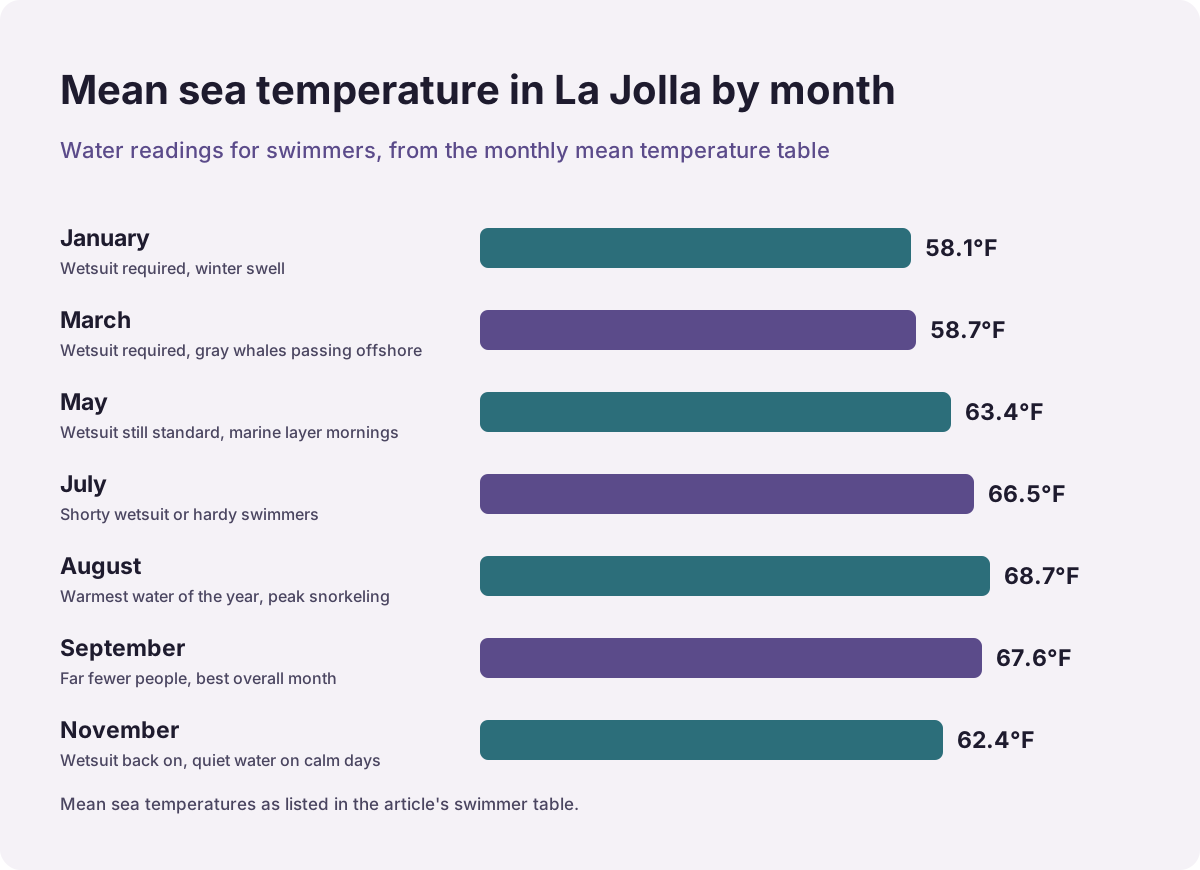
For the water itself, here is what the ocean actually does across the year, measured at the NOAA station at Scripps Pier:
| Month | Mean sea temperature | What it means for swimmers |
|---|---|---|
| January | 58.1°F | Wetsuit required, winter swell, clear days between storms |
| March | 58.7°F | Wetsuit required, gray whales passing offshore |
| May | 63.4°F | Wetsuit still standard, marine layer mornings |
| July | 66.5°F | Shorty wetsuit or hardy swimmers, busiest beach weeks |
| August | 68.7°F | Warmest water of the year, peak snorkeling |
| September | 67.6°F | Nearly as warm, far fewer people, best overall month |
| November | 62.4°F | Wetsuit back on, quiet water on calm days |
Those numbers come from hourly observations averaged over recent years at the La Jolla station, and they carry one warning for your research: do not trust ocean temperature readings from San Diego Bay stations, which read several degrees warmer and describe a different body of water entirely.
Surf lessons run from the Shores year round. The 1.5-hour surfing lesson is the standard beginner format with an instructor in the water with you, and there is also a shorter 30-minute learn-to-surf session that works as a taste test for kids or hesitant adults. Morning slots get the softest waves and the smallest crowds, so if you are combining a lesson with an afternoon in the village, book the earliest one you can reasonably make.
If you are still deciding between the water options, the pattern that works for most visitors is one guided morning on the water, either the kayak caves run or the snorkel, and the rest of the day on land. Families with young kids should lean toward the Shores beach and a surf lesson, while confident swimmers get more out of the caves and the reef. Whichever way you go, the operator's live listing shows the exact price, the current calendar and the cancellation terms before you commit anything.
What Are the Best Free Things to Do in La Jolla?
The best free things in La Jolla are the Coast Boulevard clifftop walk, the tide pools at low tide, watching the sea lions and harbor seals, the sunset from Scripps Park, and the village galleries, several of which are free to enter. The Coast Walk trail on the north end adds a paved cliffside path with cave overlooks. Add the Sunday farmers market in La Jolla Shores and you can fill a full day for the cost of parking.
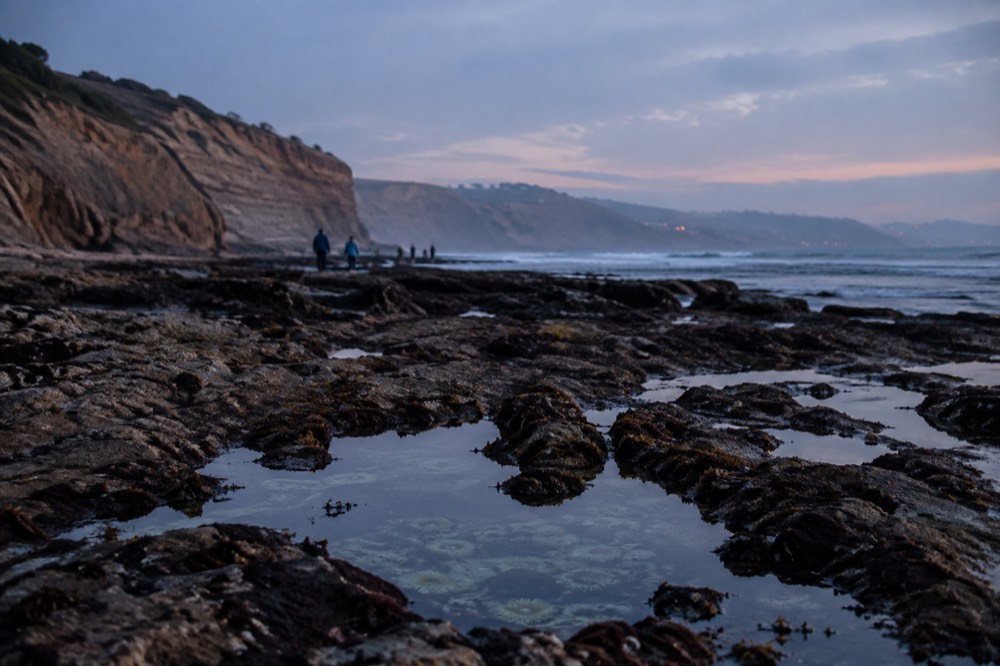
The tide pools deserve the headline. Below the cliffs between the Cove and the Children's Pool, and more extensively at Shell Beach and further north at Dike Rock near the Shores, low tide exposes rocky shelves holding hermit crabs, anemones, sea hares and, if you are lucky, octopus. The rules are the same everywhere: look, do not touch, do not pry anything off the rocks, and turn stones back the way you found them. Tide pooling is entirely tide-dependent, so check a tide table for the date and aim for the two hours around the low. Our San Diego tide pool guide covers the whole city's options and how to read the tide charts.
The Children's Pool has a complicated history worth knowing before you judge it. The beach was originally built as a protected swimming area, and harbor seals colonized it, and after years of legal fights the seals won: it is now a viewing beach where the animals haul out, and people are asked to stay back. The pupping season brings seasonal restrictions and volunteer docents, and because the exact protections change, follow the posted signs on the day rather than anything you read in advance.
Beyond the coast, the free list includes the Museum of Contemporary Art San Diego's La Jolla location, the Stuart Collection of outdoor sculptures scattered across the UC San Diego campus, and the Sunday farmers market at La Jolla Elementary on Girard, which runs mornings and doubles as a breakfast plan. The campus sculpture walk is a genuine insider pick, and it pairs naturally with Birch Aquarium, which sits on the same mesa. For more zero-cost ideas across the city, see our free things to do in San Diego guide.
Where Should You Eat in La Jolla?
Eat fish tacos at one of the casual spots on Girard or Pearl, splurge on one dinner at a Prospect Street restaurant with an ocean view, and grab breakfast at a village bakery before the Cove walk. The village's best food is walkable from the Cove in under ten minutes. For the citywide picture, our best fish tacos and best restaurants guides rank the options, and La Jolla holds several of the top spots in both.
The village food scene splits cleanly in two. Prospect Street and the streets just above the Cove hold the white-tablecloth restaurants, several with terrace views over the water that justify the prices at sunset. Girard Avenue, a few blocks inland, holds the everyday layer: taquerias, a famous burger institution, coffee roasters and the bakery. Visitors who only eat on Prospect miss the town actual locals eat in.
Two structural tips. First, book dinner reservations for sunset weeks ahead in summer, because the view tables are a fixed quantity. Second, if you are doing a beach day at the Shores, eat there instead: Avenida de la Playa, the street at the south end of the beach, is a compact strip of casual restaurants a block from the sand, and it saves you the drive back up the hill to the village.
For the wider hunt, our best fish tacos in San Diego and best restaurants in San Diego guides place La Jolla's options in context, and the best tacos in San Diego list is worth a read if tacos are the actual mission.
Where Do You Park in La Jolla, and How Do You Get There Without a Car?
Parking in La Jolla is free street and lot parking that is genuinely hard to find in summer, and there is no published rate table, so treat any confident price you read elsewhere with suspicion. The practical rules are: arrive before 10:00 am, use the underground lot at the Shores for the beach, and expect to walk. Without a car, the MTS Route 30 bus and the trolley plus bus connection reach La Jolla from downtown for $2.50 each way or $6.00 for a day pass.
The honest parking picture: the village and the Cove have a few small surface lots and endless time-limited street parking, all free, all contested. Downtown meters elsewhere in the city run $2.50 per hour, but the La Jolla village core is a different zone with its own rules, and posted signs always win over anything written in advance, including this. On summer weekends, people circle for 30 to 45 minutes. Before 10:00 am on a weekday, you will park within a block of the Cove.
The escape hatch is La Jolla Shores. The beach has a large paid-by-hour surface lot and an underground garage that almost never fills completely, and from there you can walk the boardwalk or take the short drive up to the village once you have your beach hours in. If your plan is Cove first, beach later, reverse it on peak days: park at the Shores early, and move up the hill in the afternoon when village day-trippers start leaving.
Public transit works better here than most of San Diego. The MTS fare chart shows $2.50 one-way with two-hour transfers and a $6.00 day pass, and the PRONTO system caps automatically, meaning once your individual rides total the day-pass value, the rest of the day is free, so there is no reason to buy a day pass up front. Riders 18 and under travel free on the Youth Opportunity Pass, and up to two children aged 5 and under ride free with a paying adult. The UC San Diego Blue Line trolley now reaches the university campus on La Jolla's mesa, and connecting buses drop into the village. Our getting around San Diego guide maps every option, and the parking in San Diego guide covers the citywide picture.
When Is the Best Time to Visit La Jolla?
The best time to visit La Jolla is September, when the normal high of 77.2°F is warmer than July's, the ocean is near its yearly peak, and the summer crowds are gone. May and June are the weakest beach months because of the marine layer, the coast's famous gray morning cloud, even though inland stays sunny. Winter brings the gray whale migration, the best tide pooling of the year and the cheapest hotels.
The marine layer is the fact that surprises visitors. The 30-year climate normals for San Diego show June's average high, 71.7°F, sitting below October's 74.6°F, which sounds wrong until you have stood on a gray June beach at 10:00 am. Locals call the pattern May Gray and June Gloom, and it burns off on most days, later in June than May, but a beach morning plan in those months should have a village or aquarium backup. The flip side: by afternoon it is usually clear, and the evenings are the most reliable of the year.
Here is the month-by-month shape of a visit:
| Period | Conditions | Best for |
|---|---|---|
| January-February | Highs near 66°F, rain possible, gray whales peak mid-January | Whale watching from the cliffs, tide pools, hotel deals |
| March-April | Highs 67-69°F, ocean at its coldest | Village, Birch Aquarium, coastal walks |
| May-June | Marine layer mornings, highs 69.5 to 71.7°F, almost no rain | Afternoon beach time, snorkeling by late June |
| July-August | Highs 75.3 to 77.3°F, warmest water, peak crowds | Everything, if you book early and arrive early |
| September | 77.2°F, ocean 67.6°F, crowds gone | The single best all-round month |
| October-December | Highs fall from 74.6°F to 66°F, storms return | Sunsets, tide pools, gray whales from mid-December |
The counterintuitive headline is worth repeating because it is the single most useful planning fact on this coast: September is statistically San Diego's warmest month and one of its emptiest. The nearby national monument's visitor counts show September as its lowest visitation month, 48 percent below July, while the air and water are at or near their yearly peaks. If your dates are flexible, the answer is September, and our things to do in San Diego in September guide builds a whole trip around it. For the full climate picture, see San Diego weather and the best time to visit.
How Much Time Do You Need in La Jolla?
Most visitors need one full day for La Jolla: a morning kayak or snorkel tour, the Cove and Coast Boulevard walk at midday, the tide pools if the tide cooperates, and the village plus sunset to finish. Two days lets you add Birch Aquarium, a surf lesson and a long Shores beach afternoon without rushing. Anything less than a half day should be spent entirely on the Cove-to-Children's Pool stretch.
A one-day plan that works, assuming a morning low tide is checked the night before:
| Time | Plan | Notes |
|---|---|---|
| 8:00 am | Park at the Shores, coffee on Girard | Lot is calm at this hour |
| 9:00 am | Kayak or snorkel tour from the Shores | Calmest water of the day |
| 11:30 am | Fish tacos on Avenida de la Playa | A block from the beach |
| 12:30 pm | Drive or bus up to the Cove | Village lots easier at midday turnover |
| 1:00 pm | Cove swim or Scripps Park picnic | Sea lions are always working |
| 2:30 pm | Coast Boulevard walk to the Children's Pool | Stop at Shell Beach tide pools |
| 4:00 pm | Village galleries and an early dinner | Sunset reservations book out in summer |
| 6:30 pm | Sunset from the park or the prospect overlook | Gray whale spouts possible December-March |
Families should know that this plan is gentler than it reads. The kayak tours take children, the Shores beach is the safest swimming in the neighborhood, and Birch Aquarium, which opens at 9:00 am and closes at 5:00 pm, is the standard rainy-day swap. Our San Diego with kids itinerary folds La Jolla into a family week, and the one day in San Diego plan positions it against the Zoo and Balboa Park if you are forced to choose.
Where does La Jolla sit in the wider region? It is the coast's headline act, but the comparisons are real: La Jolla vs Coronado settles the classic beach-town debate, the best beaches in San Diego ranking places it among the top three, and the La Jolla Cove, La Jolla Shores and La Jolla sea caves pages go deeper on each piece. For the whole picture of the city that this site covers, start with Things to Do in San Diego and work outward.
Common Questions About La Jolla
What are the best things to do in La Jolla?
The Cove and Coast Boulevard walk, kayaking or snorkeling the sea caves, the tide pools at low tide, Birch Aquarium, and the village's restaurants and galleries. Almost all of it is free to reach, and the guided water tours run one to three hours.
Can you swim at La Jolla Cove?
Yes, the Cove is one of the safest swimming spots in the city, with a permanent lifeguard station and sheltered water. The ocean runs from about 58°F in winter to 68.7°F in August, so most swimmers wear a wetsuit outside late summer. Swim near the lifeguard and parallel to shore if caught in a rip current.
Do you need a tour to see the La Jolla sea caves?
No, but it helps. You can view the caves from the clifftop trail for free, walk down into Sunny Jim's Cave through the Cave Store at low tide, or rent a kayak in La Jolla Shores. Guided tours handle the surf-zone launch and decide when the water is safe to enter Clam's Cave, which is the part most first-timers get wrong.
Are there sea lions and seals at La Jolla?
Yes, both. Sea lions haul out on the rocks around the Cove year round, and harbor seals colonize the Children's Pool beach. Both are protected, distances are enforced, and the Children's Pool carries seasonal restrictions during the seal pupping season, so follow the posted signs on the day rather than any dates read in advance.
Is parking in La Jolla free?
Street and surface lot parking in the village and around the Cove is free but time-limited and heavily contested in summer. The La Jolla Shores lot and garage is the reliable option for the beach. Arrive before 10:00 am in peak season or expect to circle.
What is the best month to visit La Jolla?
September. Its normal high of 77.2°F is warmer than July's, the ocean is near its yearly peak, and the summer crowds have gone. May and June bring marine layer mornings, and winter trades beach weather for gray whales, strong tide pools and lower hotel rates.