Where Can I Buy Cheap Meat in San Diego?
Where to find cheap meat in San Diego: neighborhood markets, farmers markets, bulk buying and the districts where prices stay low, written for visitors cooking on a trip budget.
Where Can I Buy Cheap Meat in San Diego?
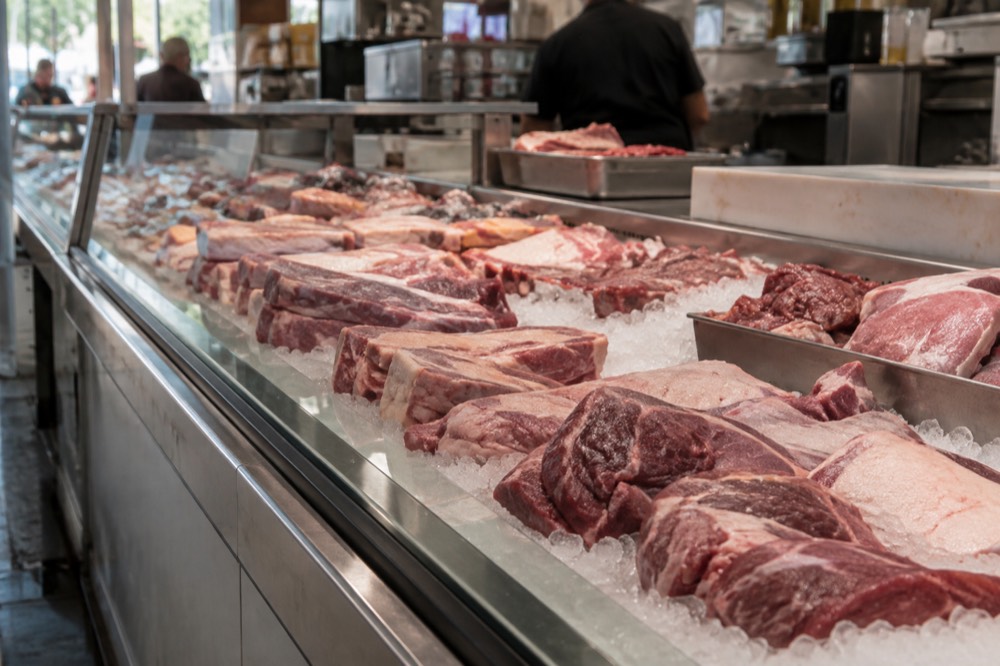
The cheapest meat in San Diego sits in the residential neighborhoods, not the tourist zones: the international grocers and carnicerias of North Park, City Heights and Chula Vista undercut the downtown supermarkets by a wide margin, farmers markets sell whole cuts at farm-stand prices on weekends, and warehouse clubs beat everything if you are feeding a group. Visitors staying near the Gaslamp or the Embarcadero pay the most per pound; the same chicken costs meaningfully less a ten minute drive west or south.
The pattern is consistent across the city. Anything sold within walking distance of a hotel tower carries a convenience premium, and meat is where that premium shows up most sharply. A visitor cooking even a few meals in a rental kitchen can cut a food budget dramatically by shopping where locals shop, and the neighborhoods that locals shop in are, conveniently, the same ones worth visiting anyway.
The single biggest lever is geography. Downtown San Diego, the Gaslamp Quarter and the Embarcadero are dining districts, not shopping districts, and the grocery options there price accordingly. Cross into North Park or City Heights and you are in a different retail world: independent markets, butcher counters where the staff will cut to order, and prices that reflect the fact that the customers live there year round.
The second lever is format. A whole chicken, a pork shoulder or a flat of ground beef costs less per pound than the portioned, tray-packed equivalents, and the carnicerias and halal markets scattered across the city's mid-price neighborhoods sell exactly those cuts. If your trip includes a kitchen, a cooler or a grill, buying whole and breaking down yourself is the cheapest path there is.
Which Neighborhoods Have the Cheapest Meat Counters?
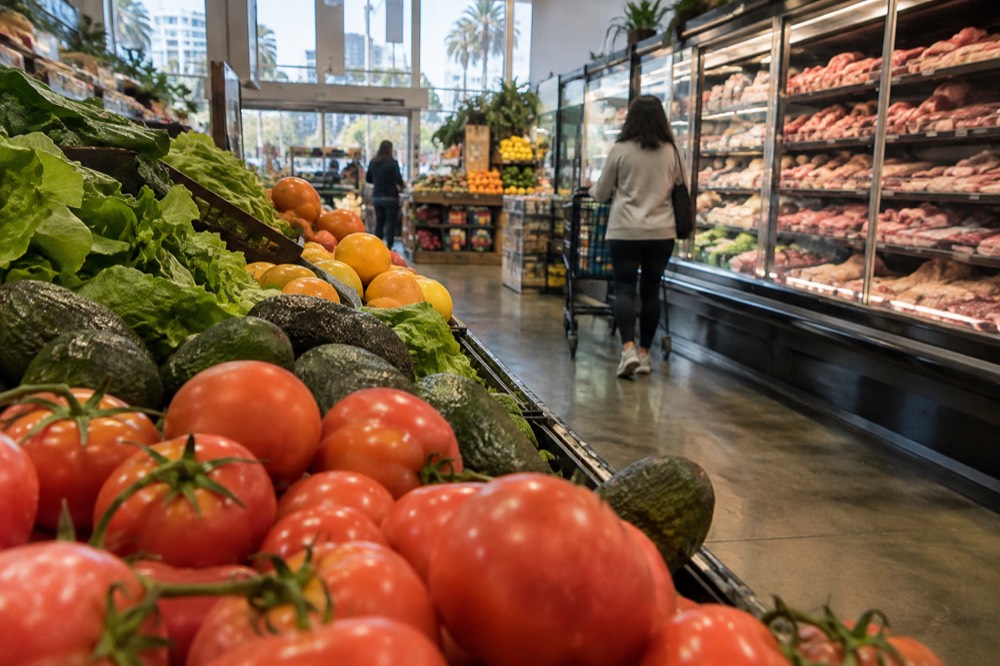
North Park, City Heights, Chula Vista and the streets around Old Town carry the city's best value meat counters, and the reason is simple: they serve residents, not visitors. International grocers in these districts price chicken, pork and beef for weekly family shopping, which keeps margins thin. Downtown and La Jolla stores price for tourists who forgot to buy dinner, which does not. A shopper willing to drive fifteen minutes out of the tourist core saves on every single pound.
North Park deserves the first mention because it combines cheap food with a scene worth visiting. The district has become one of the city's craft beer anchors, and the same blocks hold small grocers and butchers that have been there longer than the breweries. If you are planning a beer afternoon anyway, the North Park Beerucation Tour route puts you in a neighborhood where a dinner ingredient run costs half what the same run costs downtown.
City Heights is the city's most international district, and its markets reflect that. Mexican carnicerias sell marinated meats cut to order at counter prices, halal butchers do the same for lamb and beef, and Asian grocers run thin margins on pork. Nothing here is dressed for tourists, which is exactly why it stays cheap. Bring cash for the smallest shops.
Chula Vista, down toward the border, extends the same logic. The district sits at the southern end of the Blue Line trolley, and its grocery prices are among the lowest in the county. The trolley fare is $2.50 one way, so even the trip itself costs almost nothing.
Old Town sits in between: it is tourist-facing, but the surrounding streets hold regular shopping, and the district's food culture means good, cheap meat is close at hand. The Old Town taco scene runs on exactly the kind of no-nonsense butchery a budget shopper wants.
Are Farmers Markets a Good Place to Save on Meat?
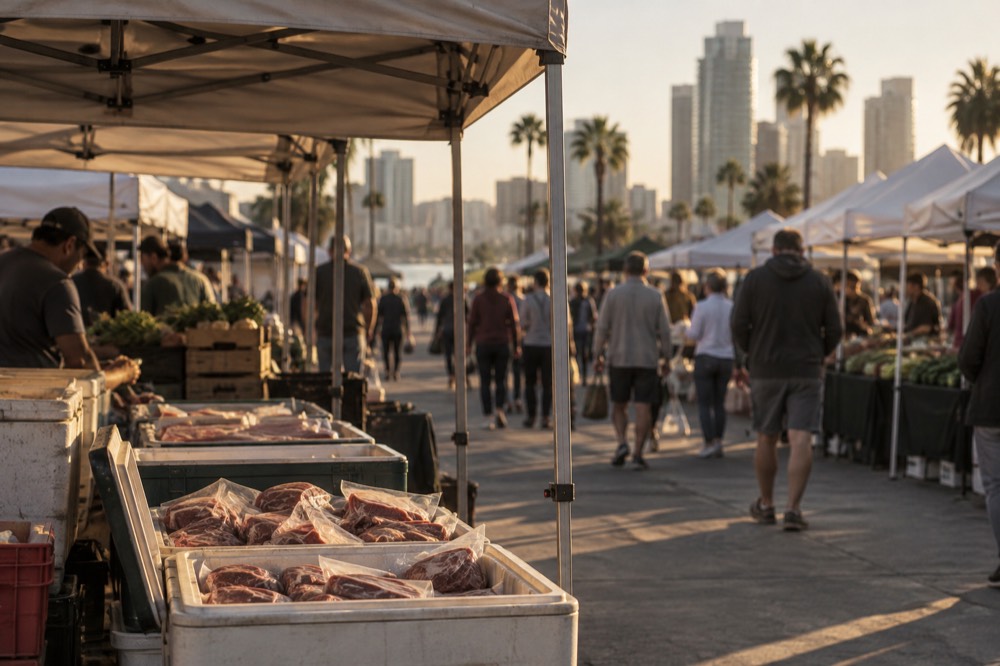
Yes, selectively. San Diego's farmers markets sell pasture-raised and specialty meats that cost more per pound than a supermarket, but buying direct cuts out the retail middleman, so the same quality costs less than it does in a butcher shop. For a visitor, the real value is different: whole animals, split shares and end-of-day deals exist, and the San Diego farmers markets run almost every day of the week somewhere in the city, so the opportunity is never far away.
The honest framing matters here. A farmers market is not where you find the absolute cheapest chicken in San Diego. It is where you find the best meat for a mid-range price, and where a shopper who knows what to ask for, a whole bird, a shoulder, bones for stock, pays craft-butcher prices without the craft-butcher markup.
The tactic that works is asking the rancher what is left. Meat vendors pack up at a set hour, and the cuts nobody bought that morning go home with them unless someone buys them first. Late in a market's run, vendors will often deal on whatever remains, and there is no rule against asking. Farmers sell this way at every market in the county.
If your trip includes cooking, plan the market day early in your stay. Meat bought Saturday morning covers two or three dinners, and a rental kitchen turns a $30 market run into meals that would cost triple in the Gaslamp. Our budget itinerary covers the same logic for the rest of the trip.
And if the cooking plan falls through, the city's taco shops run the same cheap-meat economics for you. The best tacos in San Diego are cheap precisely because the city's carniceria supply chain keeps protein costs low, so a budget traveler is eating the same bargain from the other side of the counter.
A short guided walk is the low-effort version of that scouting work, and Little Italy is the district where it pays off most. The neighborhood's food scene runs from old-school delis to modern tasting counters, and a half-hour guided taste run maps the whole street faster than you could on your own.
Do Warehouse Clubs and Bulk Buying Beat the Neighborhood Markets?
For groups and longer stays, yes, decisively. Warehouse clubs sell meat in large packs at the lowest per-pound prices available anywhere in the county, and a family of four on a week-long stay can cut its protein spending by a third by buying one bulk pack instead of seven supermarket trays. For a couple on a weekend trip, the math flips: membership, storage and waste eat the savings, and the neighborhood markets win.
The break point is roughly how much you will actually eat. Bulk packs only save money when every pound gets eaten, and a hotel mini-fridge defeats the entire model. A [vacation rental](https://vrbo.tpk.ro/m2webWq9) with a real fridge and freezer changes it completely.
The comparison, honestly framed:
| Shopping format | Best for | Watch out for |
|---|---|---|
| Carnicerias and international grocers | Small quantities, cut to order, marinated meats | Cash for the smallest counters, limited hours |
| Farmers market ranch stands | Quality, whole cuts, bones and oddments | Higher per pound than a supermarket for premium meats |
| Warehouse clubs | Groups, week-long stays, freezer space | Membership cost, huge pack sizes, waste risk |
| Downtown and resort-area supermarkets | Convenience, one forgotten dinner | The highest prices in the county |
| Taco shops and rotisserie counters | Zero-cooking trips, hot food ready to eat | Not raw meat, but often the cheapest protein of all |
The last row is the one visitors overlook. If the question is really "how do I eat meat cheaply in San Diego" rather than "where do I buy it," the answer is the city's taco stands, which turn the same cheap carniceria supply into dinner at street prices. The city's fish taco counters are the local proof that cheap and excellent are not opposites here.
How Do You Keep Meat Costs Down When Eating Out Instead?
Let the city's cheap-protein culture do the cooking. San Diego's taco shops, carniceria-adjacent counters and happy hours serve meat at prices a home cook struggles to match once you count a rental kitchen's constraints, so for short trips the cheapest strategy is often to not buy raw meat at all. Order where the locals order, favor lunch over dinner, and the same supply chain that makes the carnicerias cheap makes your plate cheap.
Lunch pricing is the quiet lever. The same kitchen that charges dinner prices at 7:00 pm often sells the same protein at lunch for substantially less, and San Diego's taquerias run lunch specials all over the city. A visitor eating the day's biggest meal at 1:00 pm and something light in the evening spends less without eating worse.
Neighborhood choice does the rest. Eating in Little Italy means paying Little Italy prices, which are fair for the quality but not bargain prices. Eating a few blocks into the residential districts means paying what residents pay. The gap between the two is the same gap you see at the meat counter, applied to a finished plate.
If you want the neighborhood experience without doing the research yourself, a short guided food walk is the efficient version. The Taste of Little Italy run covers the district's food stops in about half an hour, which works as a scouting trip before you pick where to spend your dinner budget.
What Should a Visitor Do Differently from a Local?
Skip the car if you can, shop where the trolley goes, and buy only what your stay can absorb. A local saves money by buying in volume; a visitor saves money by buying small, often and close to where they sleep. The MTS day pass at $6.00 with automatic capping means the trip to a cheap market costs less than the parking would, and a two-block walk from a trolley station beats a $16 parking bill at any attraction lot.
The parking point is real money. Paid parking at the Zoo runs $16 per vehicle, and Balboa Park's lots charge $8 to $16 a day for non-residents, though City Council has approved ending paid parking in Balboa Park on 1 January 2027. A shopper who takes the trolley to a market instead of driving to a tourist-zone store saves on both ends of the trip.
Plan around your kitchen, not around the store. If you have a full kitchen, one bulk run early in the week wins. If you have a mini-fridge, small daily purchases from a neighborhood counter win. If you have nothing but a cooler bag, let the taco shops carry the load, and spend your savings on the experiences that actually need a budget.
The visitor's real advantage is that San Diego's cheap food is not hidden. It sits in the open, in the neighborhoods travelers pass through on the way to the beach, and the only mistake available is shopping at the first store you see next to the hotel. The team at Things to Do in San Diego covers these neighborhoods street by street, and the food districts reward anyone who walks one block past the tourist frontage.
Common Questions About Buying Cheap Meat in San Diego
where can i buy cheap meat in san diego?
In the residential neighborhoods: the carnicerias and international grocers of North Park, City Heights and Chula Vista carry the lowest counter prices, farmers markets sell quality cuts direct at ranch prices, and warehouse clubs beat everything for groups with freezer space. Avoid buying meat in the downtown, Gaslamp and La Jolla tourist zones, where the same cuts cost the most.
Is meat cheaper at San Diego farmers markets?
Not the cheapest chicken in the city, no. Farmers markets sell pasture-raised and specialty meats that beat butcher-shop prices for the same quality because you are buying direct, but a supermarket or carniceria still wins on absolute price. Ask vendors what is left late in the market day for the best deals.
Do I need a car to reach the cheap meat markets?
No. The neighborhoods with the best prices sit on the MTS trolley and bus network, and a one-way fare is $2.50 with a $6.00 day pass that caps automatically on the PRONTO card. The Blue Line runs from the border at San Ysidro north through downtown to UC San Diego, so the cheap districts are all reachable without parking fees.
Is it cheaper to cook or to eat tacos in San Diego?
For a short trip, often the tacos. San Diego's taco shops buy from the same cheap carniceria supply chain a home cook would, and they cook it at street prices with no rental-kitchen waste. Cooking wins once you have a full kitchen, a group to feed and several days ahead of you.
Which tourist areas have the most expensive meat?
Downtown, the Gaslamp Quarter, the Embarcadero and La Jolla. These are dining and convenience districts where groceries price for visitors, so meat there carries the highest markup in the county. One trolley stop inland changes the price picture completely.