San Diego Breweries: A Practical Guide to Tours, Neighborhoods and Costs
San Diego is one of the most brewery-dense cities in the United States, and the practical questions, which neighborhood, which tour, how to get there without driving, matter more than any single tap list. This guide walks through the planning decisions in order.
Short answer
San Diego's brewery scene clusters in a handful of walkable neighborhoods, with North Park and Little Italy among the easiest for visitors. Guided options include a 3-hour North Park brewery tour built around beer education and a 3-hour citywide brewery tour with tastings and food pairings. The MTS day pass costs $6.00, and September is the warmest month to visit.
San Diego has spent several decades building one of the most brewery-dense beer scenes in the United States, and the result is a city where a visitor can walk between taprooms in some neighborhoods and genuinely needs a plan in others. The mistake most first-timers make is not picking the wrong brewery. It is picking the wrong neighborhood, booking a driving tour when they wanted to wander, or assuming the weather in July behaves the way the postcards promise. This guide, published by Things to Do in San Diego, works through those decisions in the order you will actually face them.
Which San Diego Neighborhoods Should You Drink In?
The most visitor-friendly brewery neighborhoods are North Park, Little Italy, and the Gaslamp Quarter downtown, because all three are walkable, well served by transit, and dense enough that you can visit several taprooms without moving your base. North Park is the city's best-known beer district, Little Italy pairs breweries with a strong restaurant scene, and the Gaslamp puts drinking within walking distance of most downtown hotels. Each rewards a different style of evening.
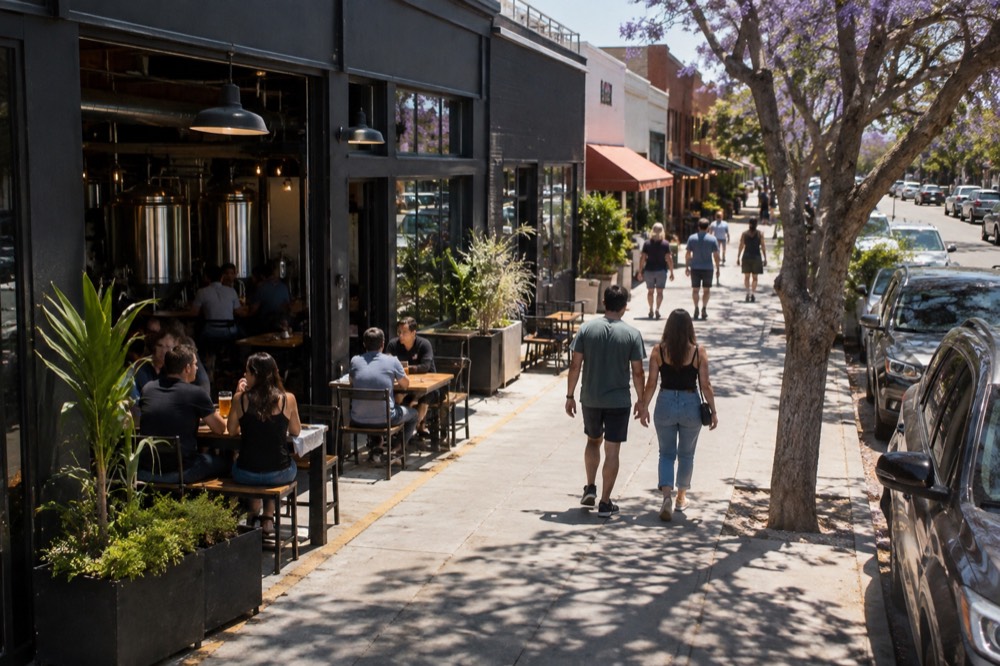
North Park is where San Diego's beer reputation lives for most locals. The neighborhood's taprooms sit close together along a few main corridors, which makes it the one district where a self-guided crawl genuinely works: you park once, or arrive once by rideshare, and walk between stops. It is also the neighborhood the guided tours concentrate on, which tells you something about where the density is. If you want to understand what San Diego beer actually is, West Coast style IPAs, hazy pale ales, lagers built for a beach climate, this is the place to start.
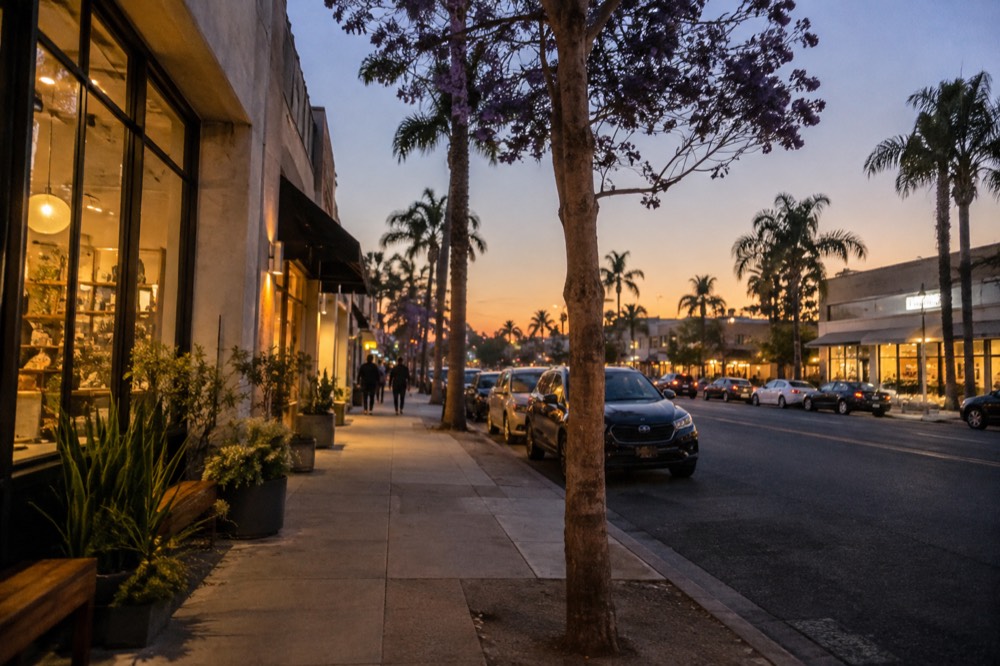
Little Italy plays a different role. It is a compact, polished neighborhood of restaurants and tasting rooms near the downtown waterfront, and it suits a visitor who wants beer as one part of an evening rather than the whole event. A tasting flight, then dinner, then a second stop is the natural rhythm here. Our Little Italy neighborhood guide covers the area in full if you want to build an evening around it.
The Gaslamp Quarter is the third easy option, mostly because of geography: if you are staying downtown, the breweries and beer bars of the Gaslamp are already within walking distance of your hotel. The scene there leans later and louder than North Park's, closer to nightlife than to a quiet tasting afternoon. Our Gaslamp Quarter guide goes deeper on that trade-off.
Beyond those three, the scene spreads out. Some of the region's best-known breweries sit in industrial pockets of Miralani Makers District and along the 78 corridor through Vista and San Marcos, where clusters of taprooms share parking lots. Those are rewarding, but they are driving destinations, and that changes the shape of your day. You cannot crawl them on foot, and you should not crawl them by car. Our North Park guide and Ocean Beach guide cover two more neighborhoods where the beer scene matters.
Which San Diego Brewery Tour Should You Book?
The two strongest guided options are the North Park Beerucation Tour, a 3-hour walk built around beer education with tastings, and the San Diego Brewery Tour with Tastings and Food Pairings, a 3-hour guided experience that adds food. A third angle is the Taste of Little Italy, a 30-minute guided food walk that folds the neighborhood's beer and food culture together. Book a tour when you want the driving, the context and the pacing handled for you.
A tour solves three real problems at once. It removes the question of who drives, it puts a guide between you and a long tap list, and it paces the day so you are not improvising at 4 pm with two breweries down and no plan. For visitors who are here for a weekend, that structure buys back time.
The North Park Beerucation Tour is the most education-forward option on the roster. It runs about 3 hours and is built explicitly around learning: styles, brewing decisions, and how the neighborhood's scene fits together. It suits the visitor who wants to leave knowing why San Diego beer tastes the way it does, not just where they drank it. Because it concentrates on one walkable district, it also doubles as an orientation to North Park, which you can then explore on your own afterward. Check availability on the live listing if that format fits your group.
The citywide Brewery Tour with Tastings and Food Pairings takes the opposite approach: fewer assumptions about what you already know, more ground covered, and food built into the 3 hours so the afternoon does not run on an empty stomach. This is the one to pick if your group contains people who are enthusiastic about beer and people who are mainly there for the afternoon out. The food pairings give the second group something to enjoy while the first asks about hop schedules.
A practical note on booking: prices on these experiences are dynamic, so treat the number on the live listing as the real one rather than anything a guide quotes. Both tours sell the reassurance that matters most here, which is that nobody in your party has to drive.
How Much Does a Brewery Day in San Diego Cost?
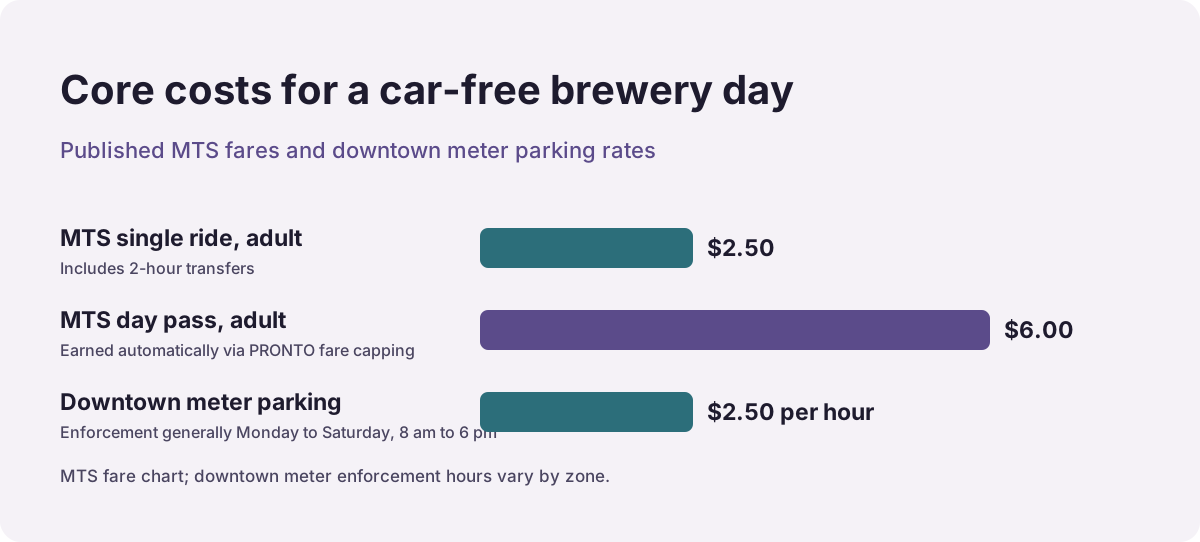
Plan on three spending layers: tasting fees at each taproom, which vary by brewery and are best checked on each room's own list; a tour ticket if you book one, priced on the live listing; and transportation, where the MTS day pass is $6.00 and a single ride is $2.50. A car-free day in North Park or Little Italy can be built for the cost of transit plus tastings, while a driving day adds parking to every stop.
The honest answer about tasting fees is that there is no single published rate across the city's taprooms. Individual breweries set their own flight and pour prices, and those change. The planning approach that works is to assume each stop will cost a tasting fee, check the room's current list when you arrive, and budget accordingly. Any article that quotes one citywide tasting range is guessing, and we will not guess.
Transit, by contrast, has firm published numbers. The MTS fare chart sets a one-way bus or Trolley ride at $2.50 for adults, with a $6.00 day pass, and the PRONTO card system applies fare capping automatically: once your tap-ons in a day reach the day-pass value, you stop paying. There is no reason to buy a day pass up front. Load the card or the app, tap, and let the system cap itself.
| Cost layer | What to budget | Notes |
|---|---|---|
| Tasting fees | Varies by taproom | Check each room's own list; no citywide standard exists |
| Guided tour ticket | Priced on the live listing | Dynamic; check the operator's listing for current pricing |
| MTS single ride | $2.50 adult | Includes 2-hour transfers |
| MTS day pass | $6.00 adult | Earned automatically via PRONTO fare capping |
| Downtown meter parking | $2.50 per hour | Enforcement generally Monday to Saturday, 8 am to 6 pm, some zones to 8 pm |
One cost that visitors routinely underestimate is parking at the breweries themselves, especially the industrial-district stops outside the walkable core. Our parking in San Diego guide covers the citywide picture, including the Sunday enforcement changes that ended free Sunday parking in some commercial areas. The short version for a brewery day: in North Park or Little Italy, transit or a single rideshare beats moving a car between stops.
Can You Do a San Diego Brewery Trip Without a Car?
Yes, and in the walkable neighborhoods it is the better plan. The Trolley and bus network reaches North Park, Little Italy, downtown and the beach communities, the adult day pass is $6.00 with automatic fare capping, and youth 18 and under ride free on the Youth Opportunity Pass. A car only becomes necessary for the outlying brewery clusters in Vista, San Marcos and the inland industrial districts, where a guided tour with transport included beats self-driving.
The car-free case rests on where the density is. North Park, Little Italy and the Gaslamp, the three neighborhoods this guide recommends most for visitors, are all reachable by transit or a short rideshare from any downtown hotel, and all three are compact enough that once you arrive, you walk. That is the entire argument: you pay for one movement, then everything else is on foot.
| Fare | Adult | Reduced |
|---|---|---|
| One-way, bus or Trolley, 2-hour transfers | $2.50 | $1.25 |
| Day Pass | $6.00 | $3.00 |
Reduced fares apply to seniors 65 and over, disabled riders, Medicare cardholders and youth with ID. Children 5 and under travel free with a paying adult, up to two per adult.
The one place a car, or better, a tour bus, genuinely earns its keep is the 78 corridor. The brewery clusters of Vista and San Marcos are spread along suburban roads with no walkable spine, and the inland industrial taprooms are the same. If those are on your list, the Brewery Tour with Tastings and Food Pairings handles the movement for you, which is exactly the decision it exists for. Our getting around San Diego guide covers the Trolley lines, the PRONTO card and the airport connections in full.
When Is the Best Time of Year for a Brewery Trip?
September is the best-kept secret: its normal high of 77.2F actually beats July's 75.3F, the ocean is near its warmest, and the summer crowds have gone. June is the month to be wary of, because the marine layer locals call May Gray and June Gloom holds the normal high to 71.7F, cooler than October's 74.6F. Rain is a winter phenomenon, concentrated December through March.
The climate data for San Diego inverts most visitors' assumptions. The 30-year normals from NOAA show August and September as the warm months, not July, and June sitting surprisingly far down the table. The marine layer, the coastal cloud deck that greys the beaches in late spring while inland stays clear, is visible in the numbers themselves: June's normal high is lower than October's.
| Month | Normal high F | Normal low F | Precipitation, inches |
|---|---|---|---|
| March | 67.0 | 54.5 | 1.46 |
| June | 71.7 | 62.6 | 0.05 |
| July | 75.3 | 66.1 | 0.08 |
| August | 77.3 | 67.5 | 0.01 |
| September | 77.2 | 66.2 | 0.12 |
| October | 74.6 | 61.5 | 0.50 |
| December | 66.0 | 49.8 | 1.67 |
For a brewery trip specifically, this matters in one practical way: patios. A large share of San Diego's drinking happens outdoors, and a grey June afternoon changes the experience more than a degree or two of temperature does. The counterintuitive pick is September, warm, dry, and past the peak of family tourism. Our San Diego weather and best time to visit guide develops the full monthly picture, and our things to do in September guide covers what else is on that month.
What Should First-time Visitors Know About San Diego Taprooms?
Four things shape every visit: bring a valid photo ID because taprooms card without exception, expect to order at a counter rather than table service in many rooms, plan around food since plenty of taprooms have no kitchen, and treat tasting flights as the efficient way to read a long tap list. None of this is complicated, but knowing it in advance changes how smoothly the afternoon runs.
The ID point first, because it is the one that ends days. Every licensed taproom in California checks identification, and the check is often at the door rather than at the bar. A foreign passport is fine; a student card is not. If anyone in your group looks under 40, have them carry ID even if they are well past drinking age.
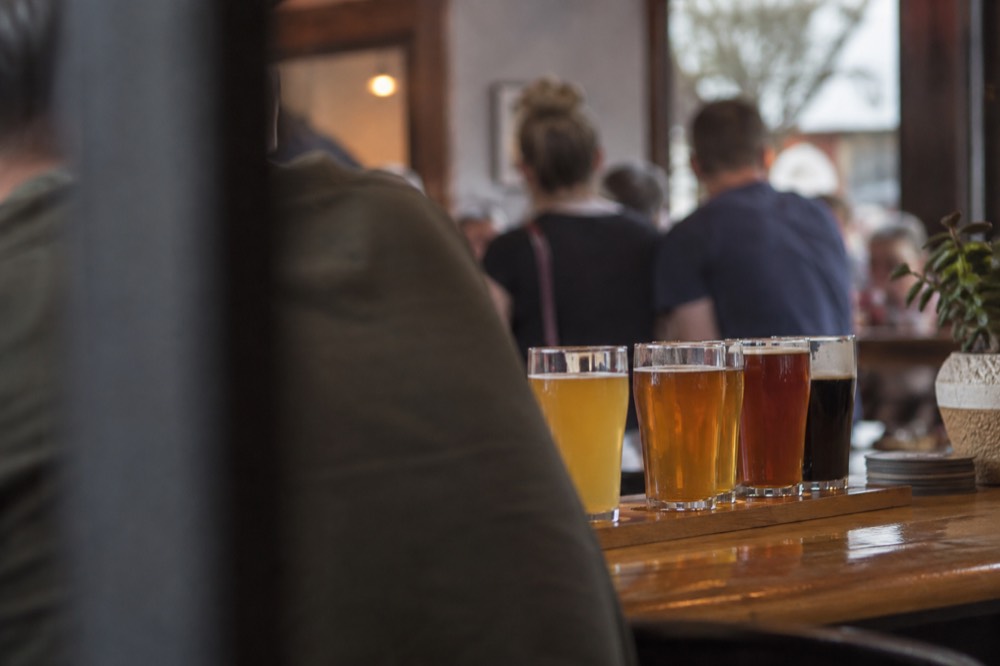
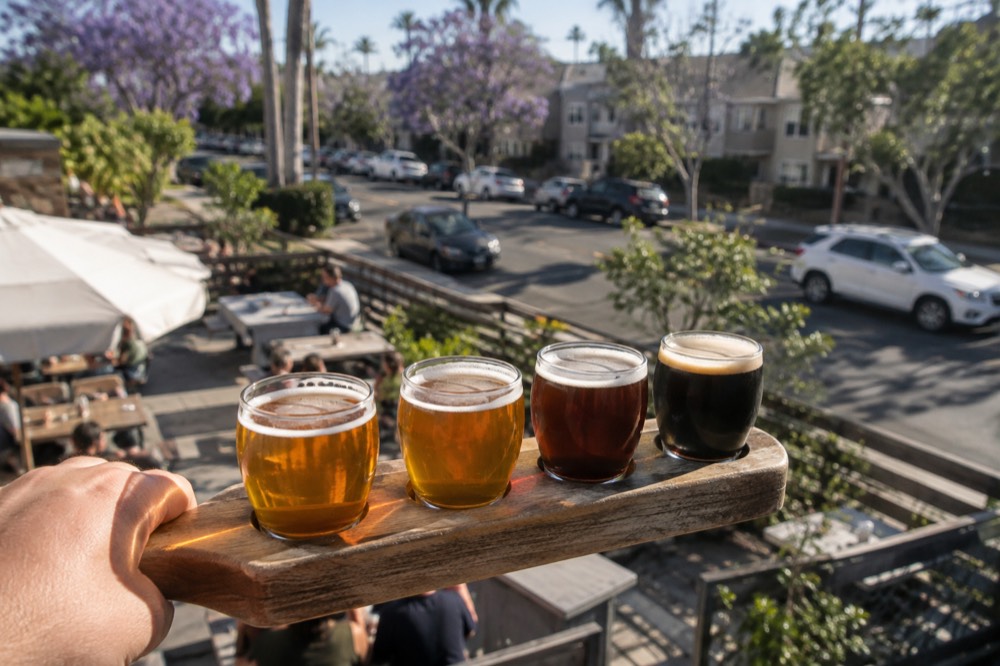
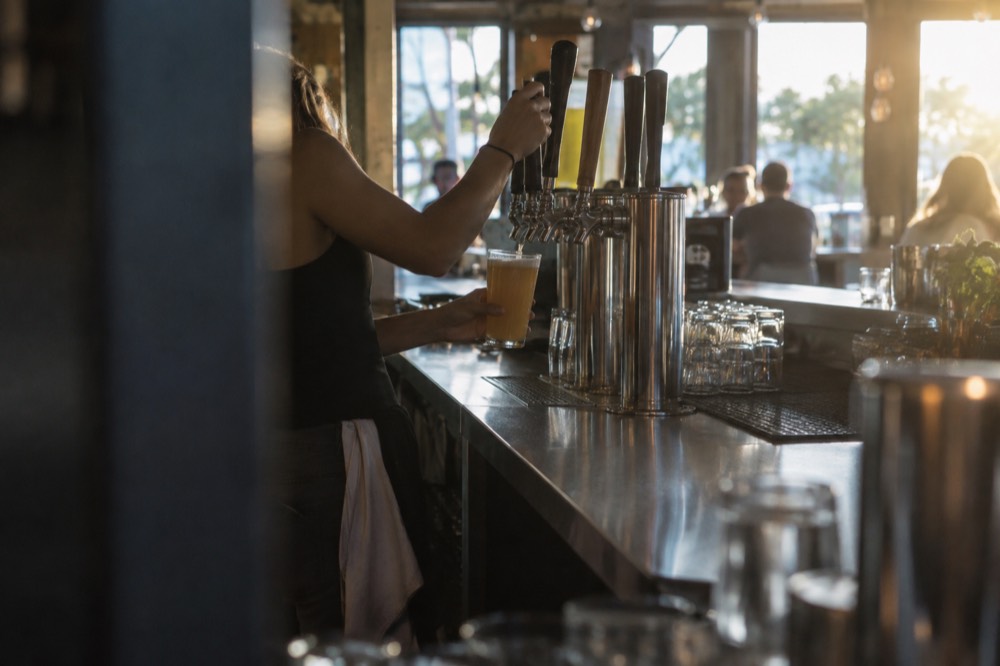
Ordering style catches visitors from table-service countries. Many San Diego taprooms work on a counter model: you walk up, order a pour or a flight, pay, and find your own seat. It keeps prices down and pacing in your hands, but it means nobody is watching your table to see if you want another. That is also why flights work so well here: a four-glass flight lets you read the room's range in one transaction.
Food is the planning variable. Plenty of taprooms do not serve food at all and either welcome outside food or host a rotating food truck; the pattern is common and nothing to be surprised by. If dinner matters to your group, either pick a neighborhood where kitchens surround the taprooms, which is exactly the Little Italy and North Park strength, or fold food into the plan deliberately. The best restaurants in San Diego guide and the best tacos in San Diego guide are the two pages to pair with a crawl if tacos between stops is your group's idea of pacing.
One more habit worth adopting: pace with water and food, not with willpower. San Diego's beer culture runs strong by percentage as well as reputation, and a warm patio makes the afternoon disappear faster than the same drinks would indoors. Locals order water alongside flights as a matter of course.
How Do Guided Brewery Tours Compare to Exploring on Your Own?
A guided tour wins on transport, pacing and context, and exploring on your own wins on flexibility, cost control and the freedom to linger. The practical rule is simple: take a tour for your first brewery day in the city, especially if you want the outlying clusters, then explore North Park or Little Italy on foot afterward using what the guide taught you. The two approaches are complements, not rivals.
The cost comparison is not the whole story, but it is a fair starting point. A tour ticket, priced on the live listing, bundles tastings, transport and a guide's time into one number. A self-guided day unbundles it: transit at $6.00 for the day, tasting fees room by room, and dinner wherever you like. On raw numbers the DIY day can come in lower. What it does not include is a designated arrangement for getting home after five stops, and that is not a small thing.
| Factor | Guided tour | Self-guided crawl |
|---|---|---|
| Transport | Included, no one drives | Transit, rideshare or a sober driver |
| Pacing | Fixed, roughly 3 hours | Entirely up to you |
| Learning | Guide explains styles and scene | You read the tap list yourself |
| Flexibility | Set route and stops | Change plans mid-afternoon |
| Best for | First day, outlying clusters | Walkable neighborhoods, repeat visits |
The context argument for a guide is stronger than visitors expect. San Diego's beer scene has a style identity, and a good guide can walk you through it in an afternoon in a way that a dozen solo visits might not. That is the explicit design of the Beerucation format in North Park: education is the product, beer is the medium. After three hours of it, your own explorations get sharper, because you know what to order and why.
The flexibility argument runs the other way with equal force. On your own, you can stay forty minutes at a room you love and walk past one that is crowded, detour for tacos, and end the evening at a waterfront bar instead of a taproom. None of that is possible on a fixed route. Our things to do in San Diego this weekend guide is built for exactly that improvisational style of day.
What Does a Perfect One-day San Diego Brewery Itinerary Look Like?
Start mid-morning in North Park with coffee and a first walk, take a guided 3-hour brewery tour through the neighborhood in the early afternoon, recover with a late food stop, then finish in Little Italy with a tasting flight and dinner as the evening cools. The whole day runs on one transit day pass at $6.00 plus one short rideshare if your legs give out, and it never once requires anyone in your group to drive.
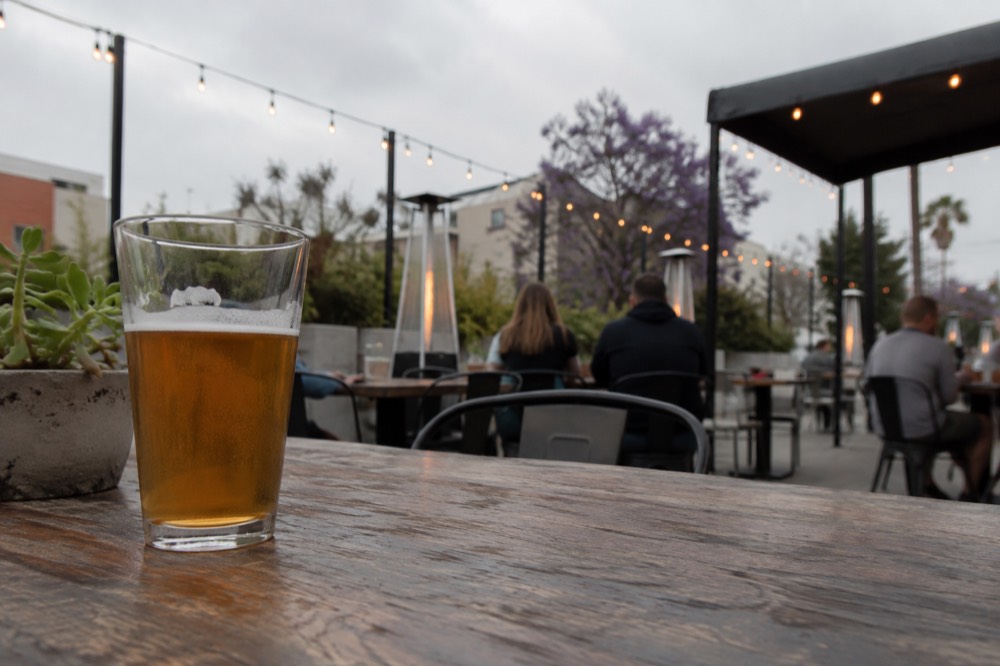
The shape of the day matters more than the specific stops. Morning in North Park is quiet, patios are empty, and brewers are often around. Early afternoon is the natural tour window: the 3-hour formats end by mid-afternoon, which leaves the evening free. Finishing in Little Italy converts the last stretch from drinking into dining, which is the responsible way to land a day like this.
A sample frame, using the pieces this guide has already justified:
| Time | Activity | Why it works |
|---|---|---|
| 10:00 am | Coffee and a walk in North Park | Taprooms open later; mornings are for orientation |
| 12:30 pm | Guided 3-hour North Park brewery tour | Peak learning window, transport and pacing handled |
| 4:00 pm | Late food stop in the neighborhood | Food between drinking stretches is the local habit |
| 6:00 pm | Transit or rideshare to Little Italy | One movement, then everything is walkable |
| 7:00 pm | Tasting flight, then dinner | Beer as the aperitif, dinner as the event |
Two adjustments by season. In September, the warmest month by the normals, push the patio time later into the evening, when the light is golden and the day's heat has dropped a few degrees. In June, invert it: the grey mornings burn off toward midday, so start later and trust the afternoon. Our one day in San Diego itinerary is the fuller template if you are building the brewery day into a wider first visit.
What Else Pairs Well with a San Diego Beer Day?
The strongest pairings are the city's food walks, its waterfront, and its evening entertainment: a 30-minute Taste of Little Italy walk folds beer culture into the neighborhood's food scene, the harbor dinner cruises turn an evening into an event on the water, and the Gaslamp's nightlife picks up wherever the taprooms end. A brewery day in San Diego does not have to end when the last flight is finished.
Little Italy deserves a second mention here, because it is the neighborhood where beer and food most naturally share a day. The Taste of Little Italy experience is a 30-minute guided walk, short by design, and it works as either a warm-up before a dinner reservation or a mid-afternoon punctuation mark between stops. Its brevity is the point: it costs you almost nothing in time and hands you a curated introduction to a neighborhood you would otherwise wander through unschooled.
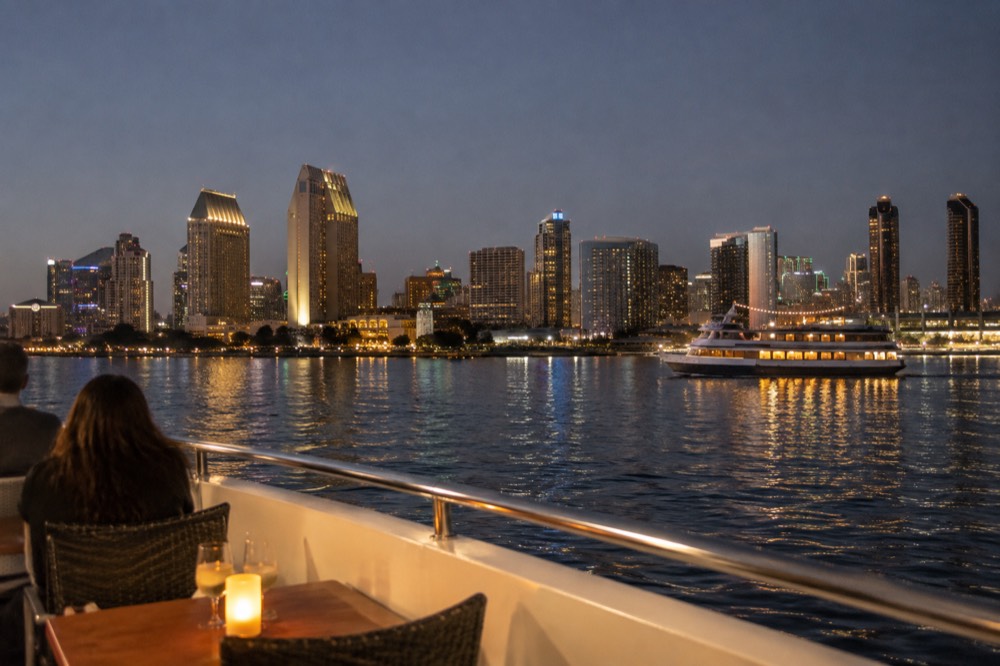
For an evening that converts the day into an occasion, the harbor dinner cruises are the natural upgrade. The City Cruises Gourmet Dinner Cruise runs 2.5 hours on the bay, and the Harbor Dinner Cruise runs 3, both pairing a sit-down meal with the city lights from the water. Neither is a beer event, and that is exactly why they work as the closer: a day that started with hop schedules can end with dessert and a skyline.
If the group's energy runs later than the water, the Gaslamp takes over. Our San Diego nightlife guide maps the late-evening options downtown, and the romantic things to do guide covers the version of this evening built for two. For the morning after, our best coffee in San Diego coverage and the farmers markets guide point at the city's gentler recoveries.
Common Questions About San Diego Breweries
Which San Diego neighborhood should you drink in?
North Park, Little Italy and the Gaslamp Quarter are the three most visitor-friendly districts. North Park is the best-known beer destination and the most walkable for a crawl, Little Italy pairs taprooms with a strong restaurant scene, and the Gaslamp puts everything within walking distance of downtown hotels.
Which San Diego brewery tour should you book?
The North Park Beerucation Tour, about 3 hours, is the education-forward choice, while the 3-hour Brewery Tour with Tastings and Food Pairings covers more ground and includes food. The 30-minute Taste of Little Italy works as a short curated introduction to that neighborhood.
How much does a brewery day in San Diego cost?
Tasting fees vary by taproom and should be checked on each room's own list, tour tickets are priced on the live listing, and transit is $2.50 one-way or $6.00 for a capped day pass. Downtown meter parking runs $2.50 per hour where enforcement applies.
Can you visit San Diego breweries without a car?
Yes. The walkable neighborhoods are all reachable by Trolley, bus or a short rideshare, the PRONTO card caps fares automatically at the $6.00 day-pass value, and youth 18 and under ride free. A car only matters for the outlying clusters in Vista and San Marcos, where a tour with transport included is the better answer.
When is the best time of year for a brewery trip to San Diego?
September. Its normal high of 77.2F beats July's 75.3F, the ocean is near its warmest, and summer crowds have thinned. June is the risky month, with the marine layer holding normal highs to 71.7F, cooler than October.
What should first-time visitors know about San Diego taprooms?
Bring photo ID, expect counter ordering in many rooms, plan food separately since many taprooms have no kitchen, and use tasting flights to read long tap lists efficiently. Order water alongside, especially on warm patios.