San Diego Zoo Safari Park: Tickets, Parking and How to Plan Your Day
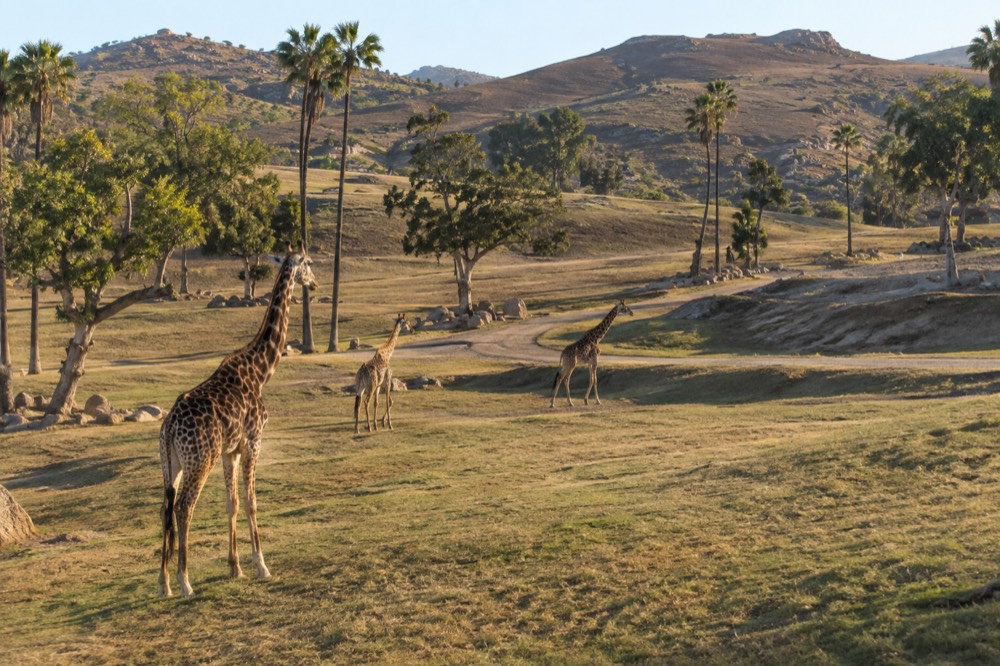
The Safari Park is the San Diego Zoo's sprawling, open-range sister park in Escondido, where herds of giraffes, rhinos and antelope roam multi-acre field exhibits instead of traditional enclosures. This guide covers what a ticket costs, what parking really runs, and how to plan a day that fits the park's seasonal hours.
Short answer
A 1-day Safari Park ticket runs $73 for adults and $63 for children ages 3 to 11 on Value Days, online only. Parking is $20 per vehicle for general lots, $55 for oversized vehicles, with preferred parking from $45, and there are no in-and-out privileges. The park is open roughly 9:00 am to 5:00 pm seasonally, so check the official calendar for your date.
The San Diego Zoo Safari Park is not the San Diego Zoo with a different name. It is a second, entirely separate park in Escondido, built around open-range field exhibits where animals live in mixed herds across acres of grassland rather than in traditional enclosures. That difference shapes everything about a visit: the park is bigger, the walking is spread out, the animals are often further away, and the experience rewards planning in a way the downtown Zoo does not.
This guide walks through the numbers that matter. What a ticket costs, what parking adds to the day, how the park's hours move with the seasons, and how to decide whether the Safari Park or the Zoo is the right pick for your trip. Every price here comes from the park's own published pages, and where a figure is dynamic or seasonal, the guide says so instead of pretending otherwise.
What Is the San Diego Zoo Safari Park?
The Safari Park is a large open-range wildlife park in Escondido, roughly 35 miles north of downtown San Diego, operated by the same organization that runs the Zoo: the San Diego Zoo Wildlife Alliance. Its signature feature is the field exhibits, multi-acre habitats where giraffes, rhinos, antelope and other species share space much as they would in East African savanna. The park also runs breeding and recovery programs for endangered species, including work with rhinos and condors.
Expect wide open terrain, long sightlines and a full day of walking.
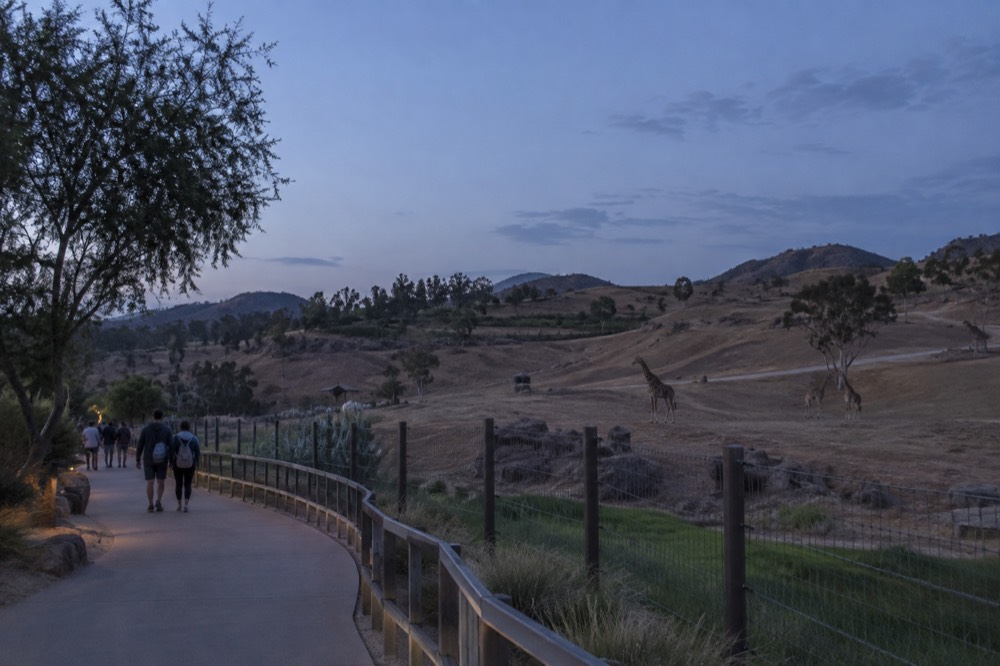
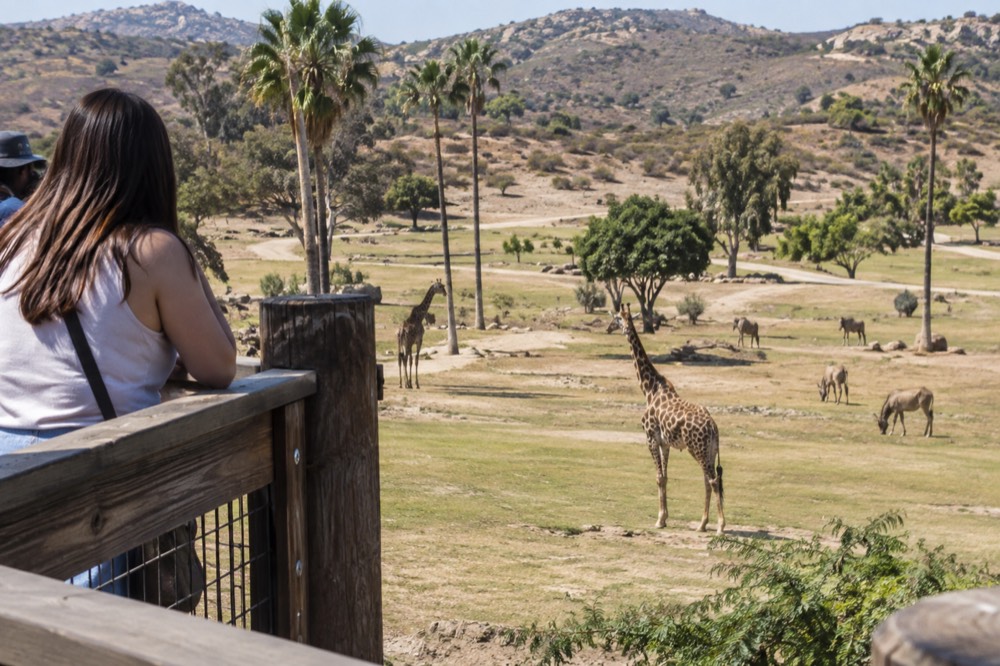
The layout is the first thing that surprises visitors. Where the Zoo in Balboa Park compresses into a walkable canyon, the Safari Park spreads across hills and valleys connected by a loop of paths. The African field exhibits sit in the valley floor, viewed from elevated walkways and overlooks. That design is deliberate: it lets you watch interactions between species across a whole landscape rather than one animal at a time.
The park's conservation role is worth understanding before you go, because it explains some of what you will see. The San Diego Zoo Wildlife Alliance runs recovery programs here for species that are nearly gone in the wild, and some of the animals you are looking at are part of those programs. Signage around the field exhibits explains which animals are part of breeding efforts, and it adds a layer of meaning to the day that a standard zoo visit does not have.
For trip planning, the practical takeaway is simple: the Safari Park is a full-day destination, not a half-day add-on. Getting there from downtown San Diego takes real drive time, and the park's scale means a rushed two hours buys you a fraction of what it offers.
How Much Do Safari Park Tickets Cost?
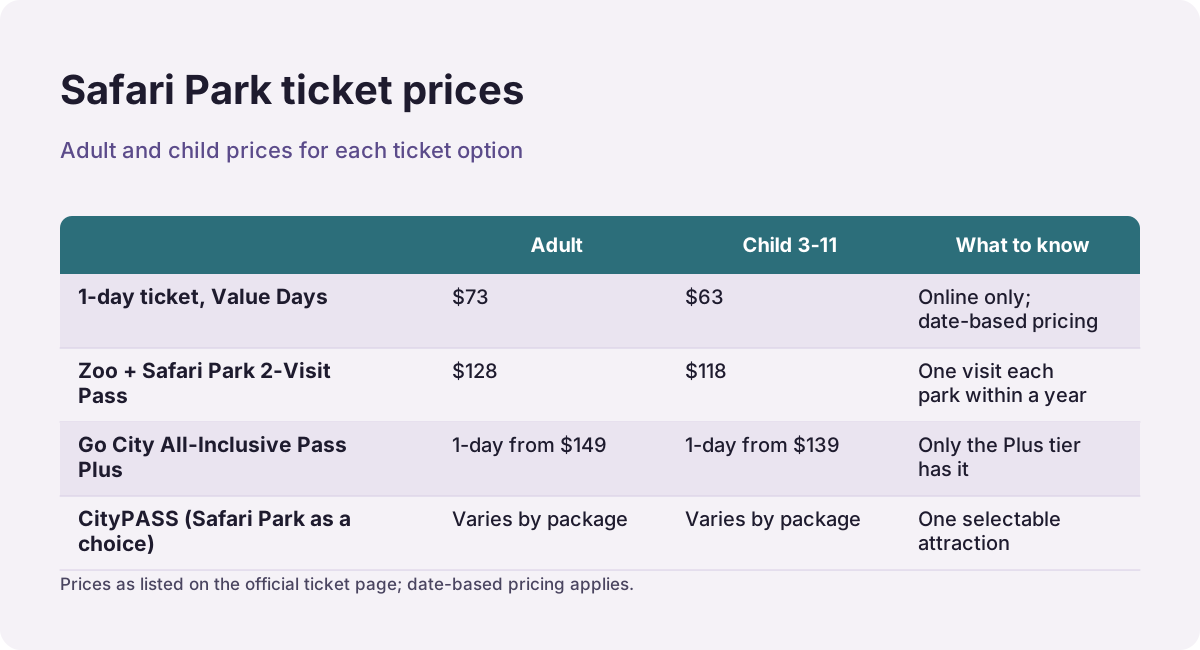
A 1-day ticket runs $73 for adults and $63 for children ages 3 to 11 on Value Days, which are online-only prices. Children 2 and under enter free. The park uses date-based pricing, so the price you see depends on the day you pick, and buying online is consistently cheaper than walking up to the gate. Check the official ticket page for your specific date before budgeting, because the calendar, not a flat rate, sets the number.
The Value Day structure rewards flexibility. Days with lighter expected crowds price lower, and the spread between a Value Day and a peak day is real money on a family ticket. If your San Diego dates have any give in them, pull up the calendar and shift your Safari Park day to whichever date prices lowest.
There are also bundled options worth knowing about. The San Diego Zoo and Safari Park 2-Visit Pass costs $128 for adults 12 and up and $118 for children 3 to 11 against a combined list price of $152 and $132, and it allows one visit to each park, or two visits to one park, within a year. For travelers planning to hit both parks, that pass is usually the better arithmetic. The details are on the official tickets page.
If you are weighing multi-attraction passes for the whole trip, the tiers matter more than the headlines. Go City's San Diego All-Inclusive Pass Plus is the tier that adds the Safari Park, along with the Zoo, SeaWorld, LEGOLAND California and Knott's Berry Farm; the standard All-Inclusive tier does not include any of those five. The San Diego CityPASS works differently: you build a package, and the Safari Park is one of the choices you can slot in alongside a theme park anchor. Our Go City San Diego pass guide breaks the tier differences down in detail.
Buying your ticket in advance does more than save money. The online price is lower than the gate price on the same day, and a pre-purchased ticket lets you walk straight past the ticket booth line, which on summer and holiday weekends is not a short line. The 1-day ticket on the live listing also carries free cancellation, which matters if your San Diego itinerary is still loose or the forecast is uncertain.
Here is how the main ticket options stack up:
| Ticket option | Adult | Child 3-11 | What to know |
|---|---|---|---|
| 1-day Safari Park ticket, Value Days | $73 | $63 | Online only; date-based pricing, check the calendar |
| Zoo + Safari Park 2-Visit Pass | $128 | $118 | One visit each park, or two to one, within a year |
| Go City All-Inclusive Pass Plus | 1-day from $149 | 1-day from $139 | Only the Plus tier includes the Safari Park |
| CityPASS (Safari Park as a choice) | Varies by package | Varies by package | Safari Park is one of the selectable attractions |
One thing the Safari Park is not: covered by the Balboa Park Explorer Pass. That pass covers the Balboa Park museums, and it explicitly does not include the San Diego Zoo or the Safari Park. Travelers sometimes assume the parks are all one system under one pass, and they are not.
What Does Parking Cost at the Safari Park?
General parking is $20 per vehicle per day for cars and motorcycles, and oversized vehicles pay $55, with preferred parking from $45. There are no in-and-out privileges, so if you leave the lot you pay again on return. One recent change works in some visitors' favor: since January 6, 2026, all San Diego Zoo Wildlife Alliance adult members park free. Plan on the $20 general rate as your baseline, and arrive early on busy days because lots are first come, first served.
The no in-and-out rule is the detail that catches people. If your plan involves leaving for lunch in Escondido and coming back, the parking math doubles. Packing a lunch or eating inside the park is usually the smarter play, both for cost and because the park is large enough that a midday exit costs you an hour of prime viewing time.
Preferred parking from $45 puts you closer to the entrance, which is a genuine consideration here. The general lots sit a real walk from the gate, and at the end of a full day on your feet, that walk back is longer than it looked at 9:00 am. Families with small children or anyone with mobility constraints often find the upgrade worth it.
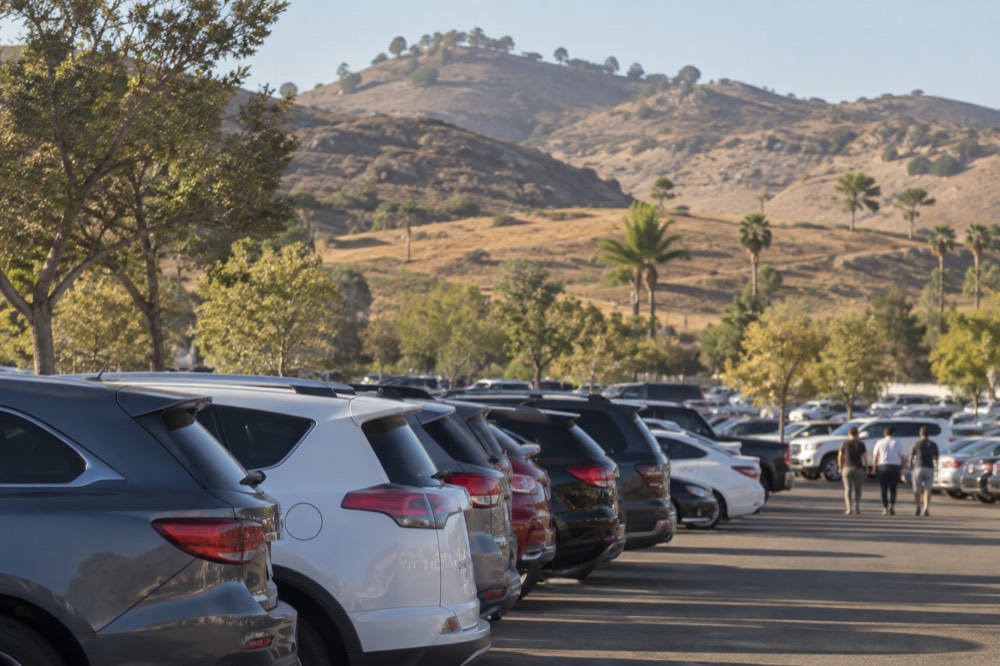
The first-come, first-served policy means timing matters on peak days. Summer weekends, holiday weeks and the stretch around spring break fill the general lots by late morning. The park's own plan-your-visit page is the authoritative source for current rates and policies, and it is worth a glance the week you travel in case anything shifts.
For comparison, parking at the Zoo in Balboa Park is $16 per vehicle, so a two-park trip with a car racks up parking at both locations. Neither park's parking is monetized through this site, and the honest advice is simply to budget it: a family doing both parks should expect parking costs at each on top of tickets. Our parking in San Diego guide covers the broader downtown and beach parking picture if your itinerary extends beyond the parks.
Safari Park or San Diego Zoo: Which Should You Visit?
Visit the Safari Park if open-range animal viewing and a full-day, wide-open experience appeal to you; visit the Zoo if you want maximum species variety in a compact, walkable setting close to downtown. The Zoo holds its animals in more traditional exhibits and packs far more species per acre, while the Safari Park trades species count for scale and natural behavior. Travelers with time for both should do both, ideally on different days, using the 2-Visit Pass to save on the combined cost.
The Zoo's advantage is density and location. It sits in Balboa Park, minutes from downtown and the Gaslamp Quarter, and you can see an enormous range of animals, from pandas to polar bears to koalas, in a half or full day without a car trip up the interstate. For a short San Diego stay, or a trip built around Balboa Park's museums and gardens, the Zoo is the practical choice.
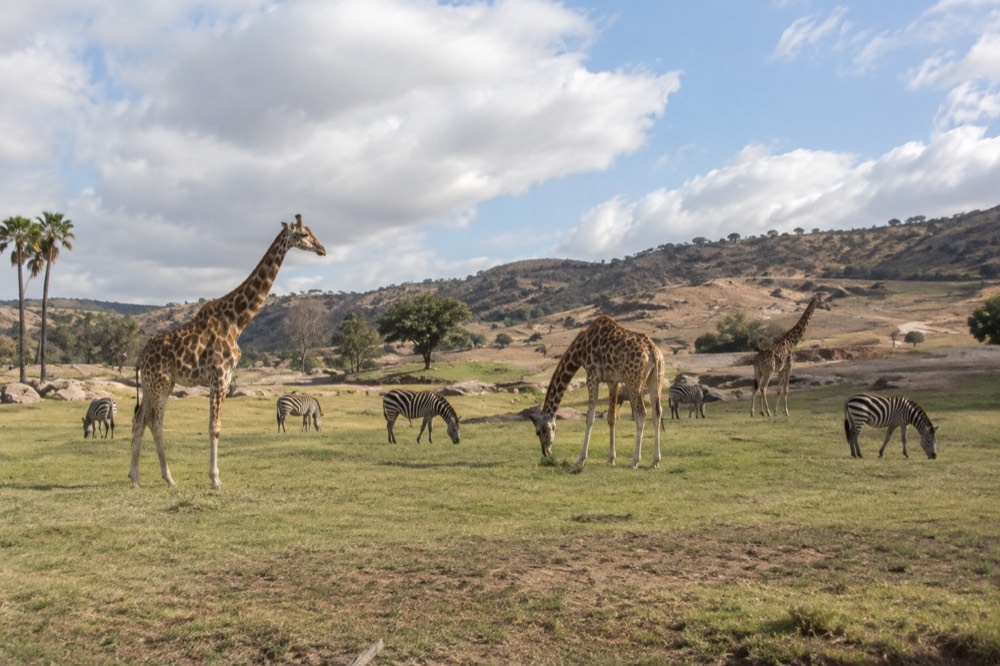
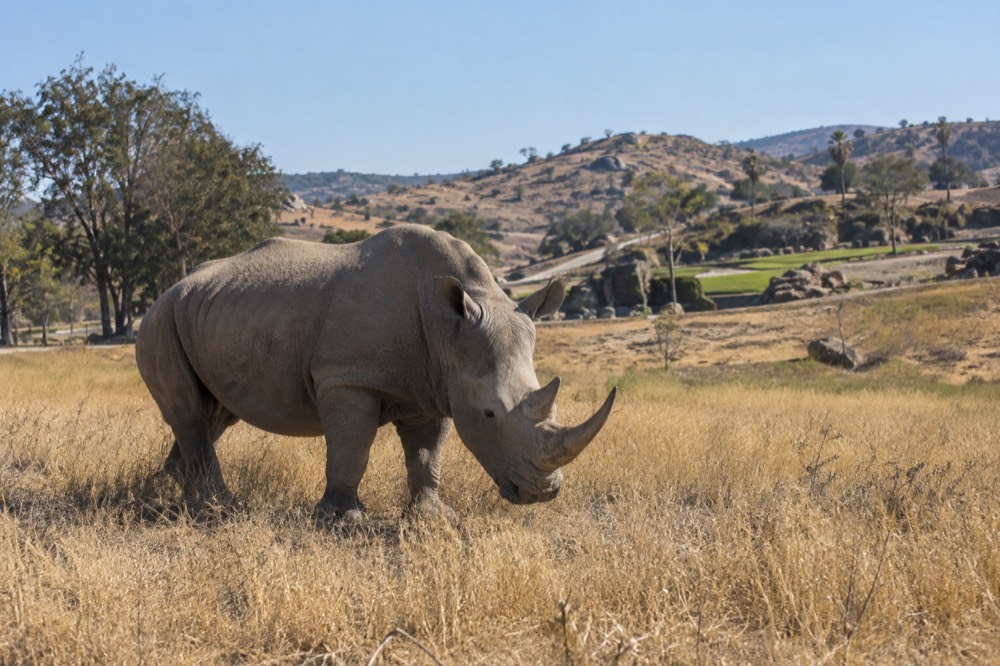
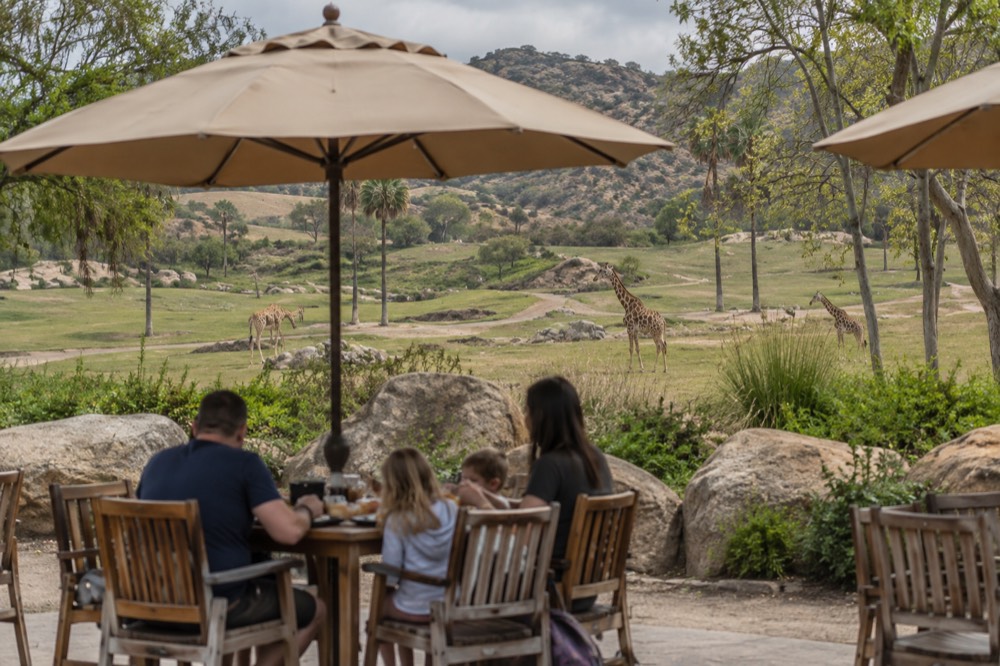
The Safari Park's advantage is the thing the Zoo cannot offer: herds behaving like herds. Watching a group of giraffes move across a field exhibit with rhinos and antelope, from an overlook with a mile of view, is a different kind of wildlife experience than walking exhibit to exhibit. Photographers and visitors who have been to many zoos consistently say the Safari Park feels less like a zoo and more like a game reserve.
There is a fuller head-to-head, with the 2-Visit Pass arithmetic and crowd factors, in our San Diego Zoo vs Safari Park comparison. If the Zoo side of that comparison wins your day, the Zoo admission ticket is available the same way, with the same book-ahead logic applying.
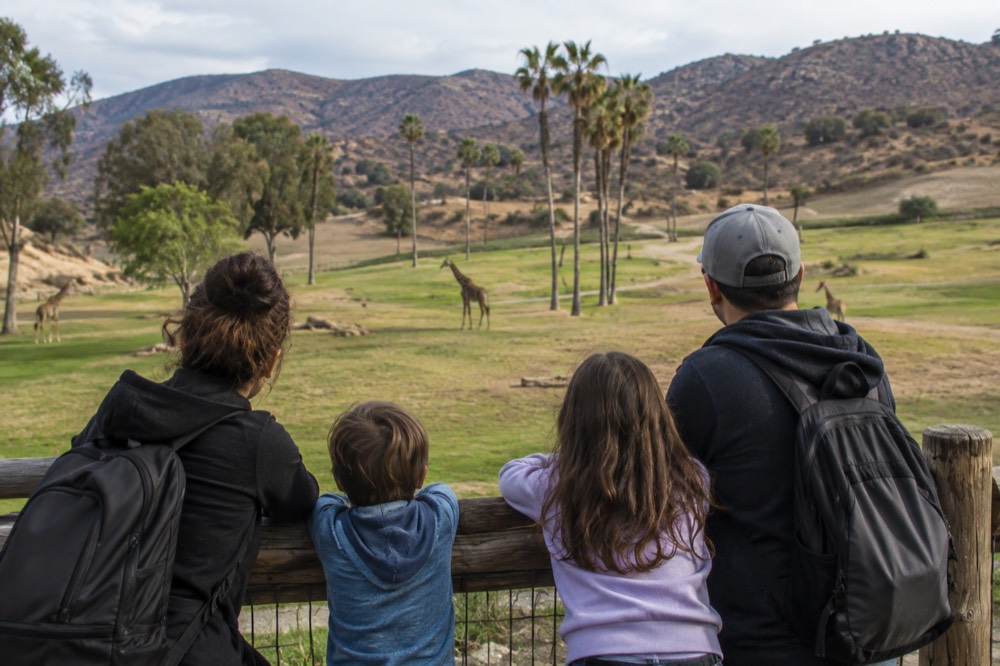
One honest caveat for the Safari Park: the animals are further away. If your group's priority is seeing specific species up close, especially with small children who need animals at eye level to stay engaged, the Zoo delivers that better. The Safari Park rewards patience and distance viewing, and kids old enough to use binoculars or watch through a long lens get the most from it. Our San Diego with kids itinerary weighs which park fits which age group.
What Are the Best Things to See Inside the Safari Park?
The African field exhibits are the park's centerpiece, best viewed from the elevated walkways and overlooks that ring the valley, and the tram-style safari experiences are how most visitors see the herds up close. Beyond the field exhibits, the park's highlights include the tiger territory, the elephant herd, the gorilla habitat and the condor program, which is one of the most significant conservation efforts on site. Plan a loop that hits the overlooks early, when the animals are most active, and save the closer-view habitats for midday.
Timing drives everything here. The field exhibits' animals, giraffes, rhinos, antelope and the rest, are most active in the first hours after opening and again late in the afternoon. Midday, especially in warm months, they retreat to shade and distant corners. Arriving at opening and walking straight to an overlook before the crowds build is the single best tactical decision you can make at this park. The wider set of guides lives on Things to Do in San Diego.
The walk-in exhibits reward a different rhythm. Tigers, gorillas and elephants hold shadier, more contained habitats where midday viewing still works, and the walkways between them thread through gardens that are a destination in their own right. The park's horticulture is genuinely impressive, and on a hot day those shaded paths are where you want to be anyway.
The condor program deserves a specific mention. The Safari Park has been central to the recovery of the California condor, a species that was down to a handful of individuals, and the birds on site are part of that ongoing story. It is one of the clearest examples anywhere in the park of your ticket funding something concrete, and the signage around the habitat tells it well.
Beyond the included exhibits, the park sells add-on safari experiences, cart tours and specialty safaris that take you into the field exhibits themselves. These are priced separately and change seasonally, so treat them as a decision to make on the park's own pages rather than something to budget from a guide. The included viewing is excellent on its own, and many visitors find the overlooks plus a full loop deliver a complete day without any add-on.
How Should You Plan Your Day: Hours, Timing and Season?
The Safari Park runs roughly 9:00 am to 5:00 pm, but hours are seasonal and shift through the year, so the official operating calendar is the only source to trust for your date. Arrive at or before opening, hit the field exhibit overlooks first, break for lunch during the midday lull, then use the afternoon for the walk-in habitats. Weekdays outside summer and holidays are noticeably quieter, and the park's scale means crowds disperse better than at the Zoo.
The seasonal hours point cannot be overstated. The park adjusts opening and closing times through the year, and a visit planned around a remembered schedule goes wrong. The plan-your-visit page publishes the calendar, and checking it the week you travel takes thirty seconds.
Weather shapes the day more than most visitors expect. Escondido sits inland, away from the coast's marine layer, which means summer days run hot and bright while the beaches sit under gray. That cuts both ways: a June day that disappoints at the coast can be a perfect Safari Park day, and an August afternoon inland can be genuinely hot. Go early, and let the middle of the day happen in shade.
Here is the practical planning picture:
| Planning factor | Safari Park | San Diego Zoo |
|---|---|---|
| Location | Escondido, inland north county | Balboa Park, central San Diego |
| Hours pattern | Roughly 9:00 am to 5:00 pm, seasonal | 9:00 am to 6:00 pm as of September 2026 |
| Adult 1-day ticket, Value Days | $73 online | $73 online |
| Parking, general | $20 per vehicle, no in-and-out | $16 per vehicle |
| Best arrival strategy | At opening, overlooks first | At opening, popular exhibits first |
| Reservations required | None | None |
For travelers building a multi-attraction itinerary, the CityPASS route can fold the Safari Park in alongside SeaWorld or LEGOLAND. Packages run, for example, $186 adult for LEGOLAND plus three choices, valid over nine consecutive days from first use, and the Safari Park is one of the choices. Some attractions require a reservation through the pass app, so set that up before you leave.
What Should You Know About Food, Accessibility and Practical Extras?
The Safari Park has multiple dining spots spread along the main loop, ranging from counter service to sit-down options, and outside food is restricted, so plan to eat on site or make a deliberate midday exit knowing parking has no in-and-out privileges. The park is largely accessible, with paved paths through the core areas, though the valley terrain means some grades and long distances between exhibits. Bring sun protection and water, especially in summer.
Dining inside the park is standard theme-park pricing and quality: convenient, not cheap, and busiest between noon and 1:00 pm. Shifting lunch an hour earlier or later avoids the crush. The picnic-area rules and outside-food policy are on the park's own visitor pages, and families with specific dietary needs should check those rather than rely on secondhand summaries.
Accessibility is decent but terrain-honest. The main paths are paved and the overlooks are reachable, but this is a park built across hills, and the distances are long by any standard. Wheelchair and stroller rentals exist at the entrance, and anyone with mobility concerns should map the loop before starting out rather than discovering the grades halfway through. The park's accessibility page lists current services.
Practical extras worth packing: refillable water bottles, since refill stations sit along the loop, sunscreen and hats for the exposed overlook stretches, and binoculars if you own them. The field exhibits reward magnification more than any single piece of gear you could buy at the gift shop.
How Much Does a Full Safari Park Day Cost for a Family?
A family of four with two adults and two children ages 3 to 11 pays $73 per adult and $63 per child on Value Day tickets, plus $20 for general parking, so tickets and parking together are the two line items to budget before food and any add-on safaris. Buying online is what gets you the Value Day rate, and the 2-Visit Pass or a CityPASS package can cut the per-park cost if the Zoo or a theme park is also on the itinerary.
Add-on safari experiences are priced separately on the park's own pages.
The per-person arithmetic is why the pass options matter so much here. Two adults and two children buying the Zoo 2-Visit Pass pay $128 per adult and $118 per child for both parks across the year, against a combined single-day list of $152 per adult and $132 per child for the tickets bought separately. The savings scale with family size, and the pass's one-year window means even a return trip months later still counts.
The parking line is fixed and unavoidable if you drive. Unlike the coastal beaches, where this site deliberately quotes no parking rate because none is published, the Safari Park's rates are official and posted: $20 general, $55 oversized, preferred from $45. It is one of the few San Diego parking costs you can budget exactly, and it belongs in the trip spreadsheet rather than being discovered at the gate.
Here is how the day's fixed costs break down for a family of four:
| Cost line | Adult | Child 3-11 | Family of four (2 adults, 2 children) |
|---|---|---|---|
| 1-day ticket, Value Days | $73 | $63 | Two adult plus two child tickets |
| General parking | $20 per vehicle | $20 per vehicle | One $20 vehicle fee, no in-and-out |
| Preferred parking (optional) | From $45 per vehicle | From $45 per vehicle | One vehicle fee |
| 2-Visit Pass (both parks) | $128 | $118 | Covers the Zoo and the Safari Park for a year |
For the broader budget picture, including how a Safari Park day fits a full San Diego trip's lodging, food and transport costs, our San Diego trip cost guide works through a realistic multi-day budget. The park is typically one of the largest single-day line items on a family itinerary, so it is worth deciding early whether it is a priority or a pass-eligible add-on.
If you are still building the wider itinerary, this site's first time in San Diego guide is the place to start, and the Safari Park slots most naturally into itineraries that include a car day or a North County stretch. Travelers pairing the park with a LEGOLAND day in Carlsbad get a natural inland-coast pairing, and the LEGOLAND tickets work the same book-ahead way.
Common Questions About the San Diego Zoo Safari Park
How much is a ticket to the San Diego Zoo Safari Park?
A 1-day ticket costs $73 for adults and $63 for children ages 3 to 11 on Value Days, which are online-only prices. Children 2 and under are free. Pricing is date-based, so check the official ticket page for your specific date.
Is the Safari Park the same as the San Diego Zoo?
No. They are two separate parks run by the same organization, the San Diego Zoo Wildlife Alliance. The Zoo is in Balboa Park in central San Diego; the Safari Park is in Escondido, roughly 35 miles north, and is built around open-range field exhibits instead of traditional enclosures.
How much does parking cost at the Safari Park?
General parking is $20 per vehicle per day for cars and motorcycles, oversized vehicles pay $55, and preferred parking starts at $45. There are no in-and-out privileges. San Diego Zoo Wildlife Alliance adult members park free since January 6, 2026.
Is the Safari Park or the Zoo better for kids?
It depends on age. Small children often do better at the Zoo, where animals are closer and the layout is compact. The Safari Park rewards older kids who can enjoy distance viewing across large field exhibits, and it needs a full day plus drive time to reach.
What are the Safari Park's hours?
Roughly 9:00 am to 5:00 pm, but hours are seasonal and change through the year. The park's official operating calendar is the only reliable source for your date, so check it before you plan your arrival time.
Can you do the Zoo and the Safari Park on the same day?
Realistically, no. The drive between them plus each park's scale makes a same-day double too rushed to enjoy. The 2-Visit Pass, $128 adult and $118 child, covers one visit to each park within a year, so doing them on separate days still saves money.