San Diego Zoo vs Safari Park: Which One Should You Visit?
Same wildlife alliance, two very different parks: one is a walkable Balboa Park classic, the other is a 1,800-acre open-range reserve in Escondido. Here is how the tickets, parking, animals and logistics actually compare.
Short answer
The San Diego Zoo sits in Balboa Park, charges $76 for a 1-day adult Any Day ticket ($73 on Value Days) and $16 to park, and needs a full walking day. The Safari Park in Escondido charges $73 adult on Value Days, $20 to park, and needs a car plus a half-day minimum. Most first-time visitors pick the Zoo; animal obsessives drive north.
The San Diego Zoo and the San Diego Zoo Safari Park are run by the same organization, the San Diego Zoo Wildlife Alliance, and a lot of visitors assume they are interchangeable. They are not. One is a compact, hilly, heavily landscaped zoo inside Balboa Park, about ten minutes from downtown. The other is a sprawling open-range park in Escondido, roughly 40 minutes north of the city, where rhinos and giraffes share fields the size of neighborhoods. Picking wrong does not ruin a trip, but it can cost you half a day of driving or leave animal lovers staring at a map wondering why everything is so far apart. This guide compares the two honestly: tickets, parking, animals, time needed, and which one fits which kind of visitor. If you want the broader picture of either property, our San Diego Zoo guide and our San Diego Zoo Safari Park guide go deeper on each.
Which Is Better, the San Diego Zoo or the Safari Park?
For most first-time visitors with one or two days in the city, the San Diego Zoo is the better pick: it is closer, denser, and packs hundreds of species into a walkable half-day-plus visit. The Safari Park is better if you have a car, a spare six hours and a specific interest in large African and Asian animals roaming open fields. Roughly speaking, the Zoo wins on variety and convenience, and the Safari Park wins on spectacle and space.
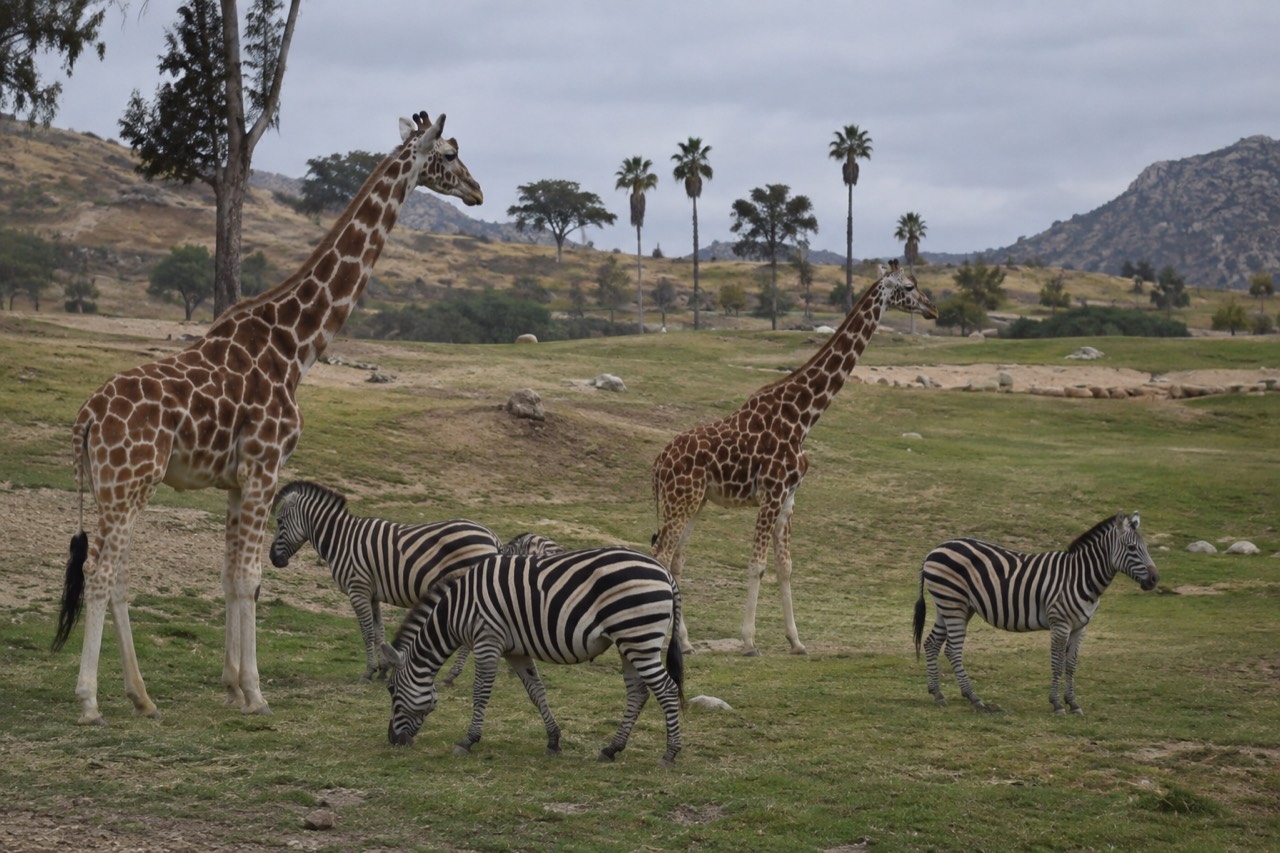
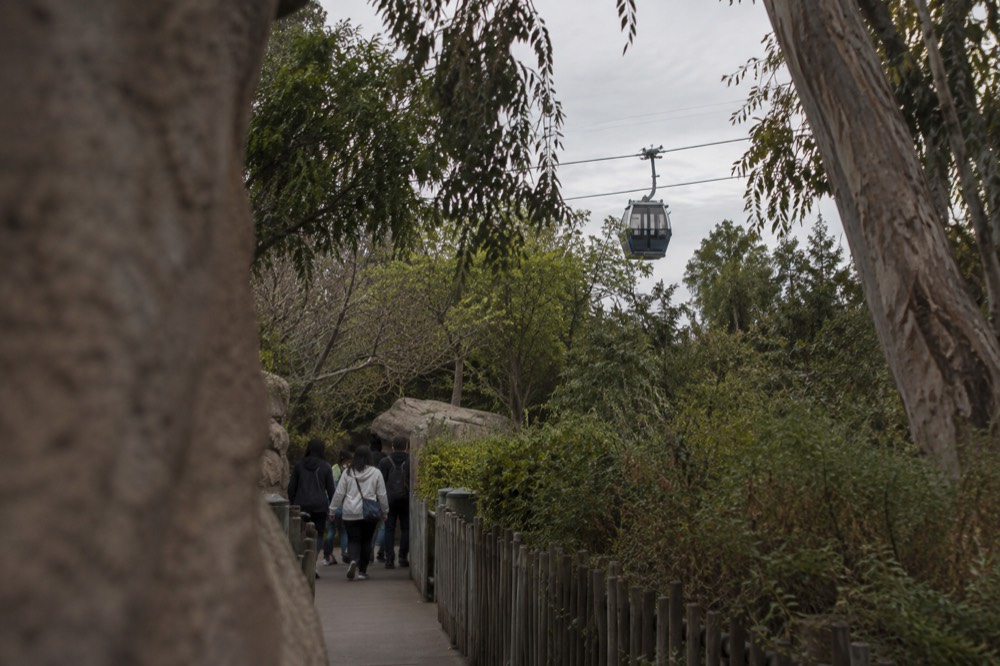
The honest framing is that they are different products. The Zoo is what most people picture when they hear the word zoo: gorillas, polar bears, hippos, koalas, big cats, all in exhibits arranged along paved paths with a guided bus tour and an aerial skyway. The Safari Park is closer to a reserve. Its signature experiences are the Africa Tram ride through mixed-species field enclosures and long boardwalk views over herds you watch from a distance, binoculars help.
Distance is the deciding factor for a lot of travelers. The Zoo sits inside Balboa Park, which means you can pair it with museums, the USS Midway Museum or the Embarcadero on the same day without moving the car more than once. The Safari Park sits near Escondido, and there is no practical transit option that gets a family there in reasonable time, so it is a drive-and-commit day.
There is no wrong answer between the two, only a mismatched one. A traveler with four hours on a downtown layover will love the Zoo and be frustrated by the Safari Park. A photographer who has already seen a dozen city zoos will find the Safari Park's open fields far more memorable. If your trip includes kids under five, the Zoo's compactness is a genuine advantage; if your kids are older and patient, the Safari Park's tram and field exhibits feel bigger and wilder.
How Do the Tickets Compare?
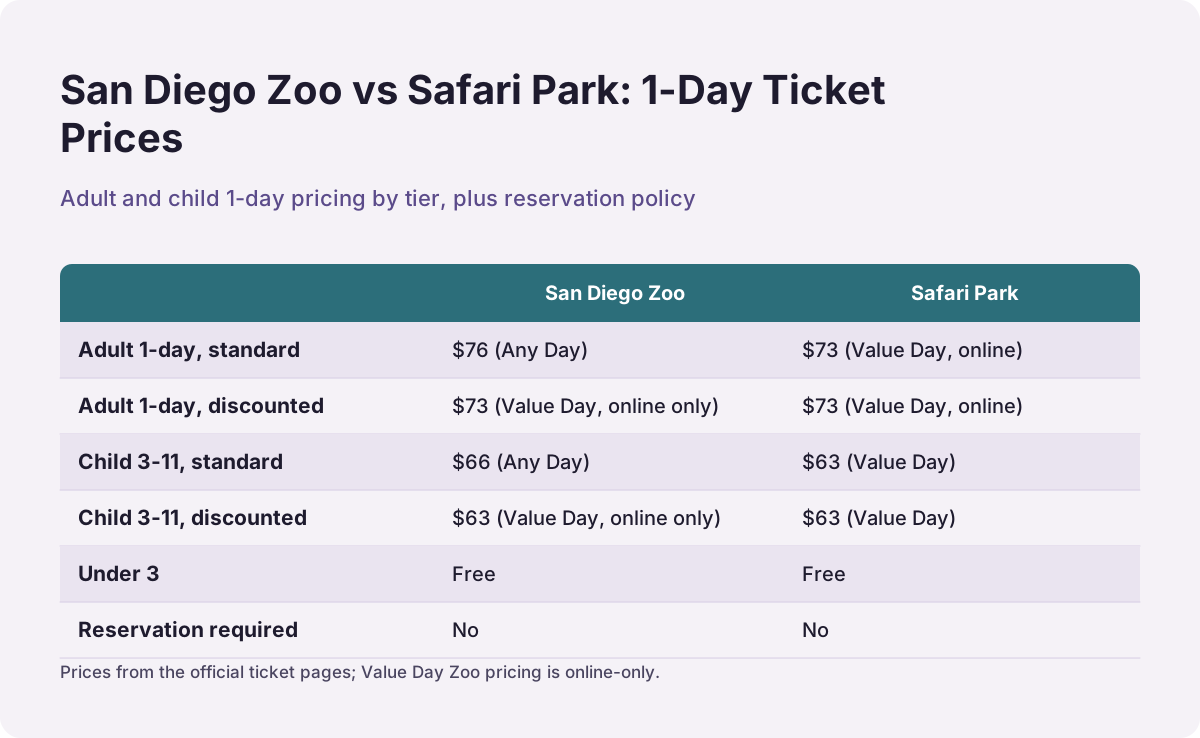
A 1-day adult Zoo ticket runs $76 on Any Days and $73 on Value Days, with children ages 3 to 11 at $66 and $63, and tickets are online-only for Value Day pricing. A 1-day Safari Park adult ticket is $73 on Value Days with children at $63. Neither park requires a reservation or timed entry, and both let you buy at the gate, though online is cheaper for the Zoo.
The Zoo's pricing splits into Any Day and Value Day tiers, with Value Days being the quieter dates on the calendar and the discounted adult price only available online. The Safari Park publishes its Value Day pricing the same way. Both parks are open roughly 9:00 am to 5:00 or 6:00 pm depending on season, and the official ticket pages carry the live calendars: the Zoo's is at zoo.sandiegozoo.org/tickets and the Safari Park's planning page is at sdzsafaripark.org/plan-your-visit.
| Ticket | San Diego Zoo | Safari Park |
|---|---|---|
| Adult 1-day, standard | $76 (Any Day) | $73 (Value Day, online) |
| Adult 1-day, discounted | $73 (Value Day, online only) | $73 (Value Day, online) |
| Child 3-11, standard | $66 (Any Day) | $63 (Value Day) |
| Child 3-11, discounted | $63 (Value Day, online only) | $63 (Value Day) |
| Under 3 | Free | Free |
| Reservation required | No | No |
If you already know the Safari Park is your pick, the ticket is simple:
One more wrinkle worth knowing: the Wildlife Alliance sells a 2-Visit Pass that covers one day at each park, or two days at one park, within a year. It lists at $152 for adults but sells at $128, and at $118 for children against a $132 list price. If you are planning to see both parks on one trip, that pass is usually the cheapest route, and it is cheaper than buying the two single days separately. Our San Diego Zoo tickets guide breaks down every tier in detail.
How Much Does Parking Cost at Each Park?
The Zoo charges $16 per vehicle per day, a rate that began on 5 January 2026, with oversized vehicles at $44. The Safari Park charges $20 per vehicle for general parking, $55 for oversized vehicles, and preferred from $45, with no in-and-out privileges at all. Both lots are first come first served, and neither can be reserved ahead.
Parking is the line item people forget, and at the Zoo it is new enough that older blog posts still describe free parking, which is now wrong. The Zoo lot is managed by ACE Parking, cashless-leaning, and fills on holidays and summer weekends. The Safari Park's lot is enormous and rarely fills, but the walk from the outer rows to the entrance is long, so the preferred tier exists mostly to shorten that walk.
The no in-and-out rule at the Safari Park matters more than people expect. Escondido is not walking distance, the park's own food is the practical lunch option, and if you do leave, you pay $20 again to re-enter. Plan to arrive, stay, and leave once. At the Zoo, the same logic applies but the stakes are lower because Balboa Park's restaurants and the Hillcrest neighborhood are close by car.
| Parking option | San Diego Zoo | Safari Park |
|---|---|---|
| Standard vehicle | $16 per day | $20 per day |
| Oversized vehicle | $44 per day | $55 per day |
| Preferred | Not offered | From $45 |
| In-and-out privileges | No | No |
| Managed by | ACE Parking | Safari Park operations |
| Member parking | Wildlife Alliance adult members free | Wildlife Alliance adult members free |
One planning note that survives any rate change: the Safari Park sells a 1-day ticket through this site's booking partners, and the price on the live listing moves with demand the same way the official calendar does. Checking availability early in your planning, before your travel dates are locked, is the cheap way to see what your actual day will cost.
Which Animals and Exhibits Does Each Park Have?
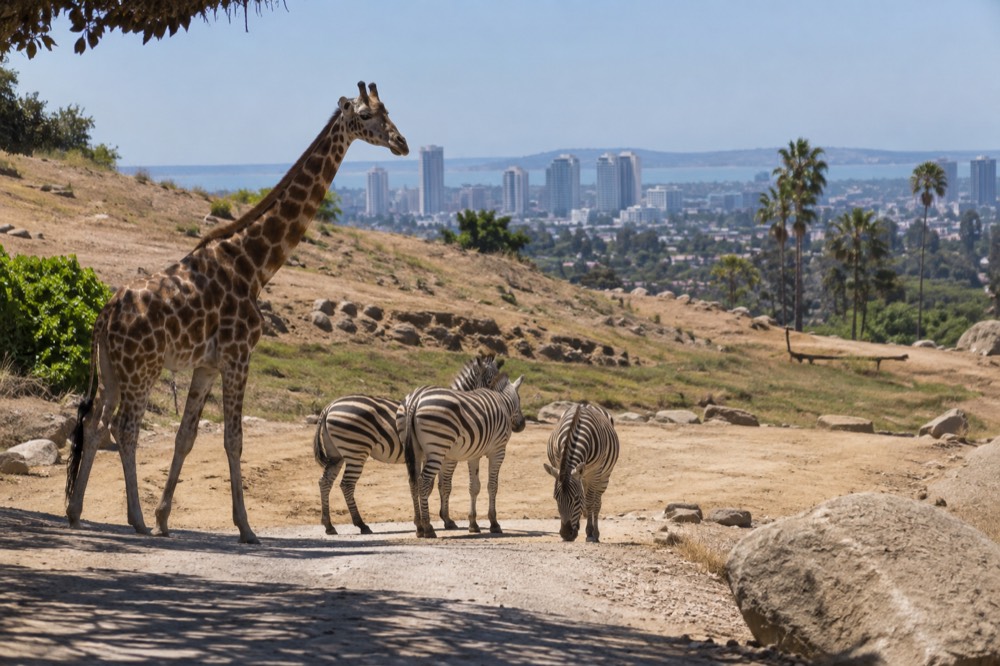
The Zoo has the broader collection, hundreds of species including polar bears, gorillas, hippos, koalas, tigers and pandas-adjacent flagship species in walkable proximity. The Safari Park concentrates on large herds in open fields, with rhinos, giraffes, zebras, antelope, elephants, lions and cheetahs as the headline animals, viewed from trams, boardwalks and behind-the-scenes tours.
The Zoo's strength is density and variety. In one loop you can move from a polar bear plunge to a gorilla troop to a koala enclosure, and the landscaping between exhibits is a Balboa Park garden in its own right. The collection leans global: African, Asian, Australian and American species all have dedicated zones, and the aerial skyway gives you a rest for your feet plus an overview of the park's layout.
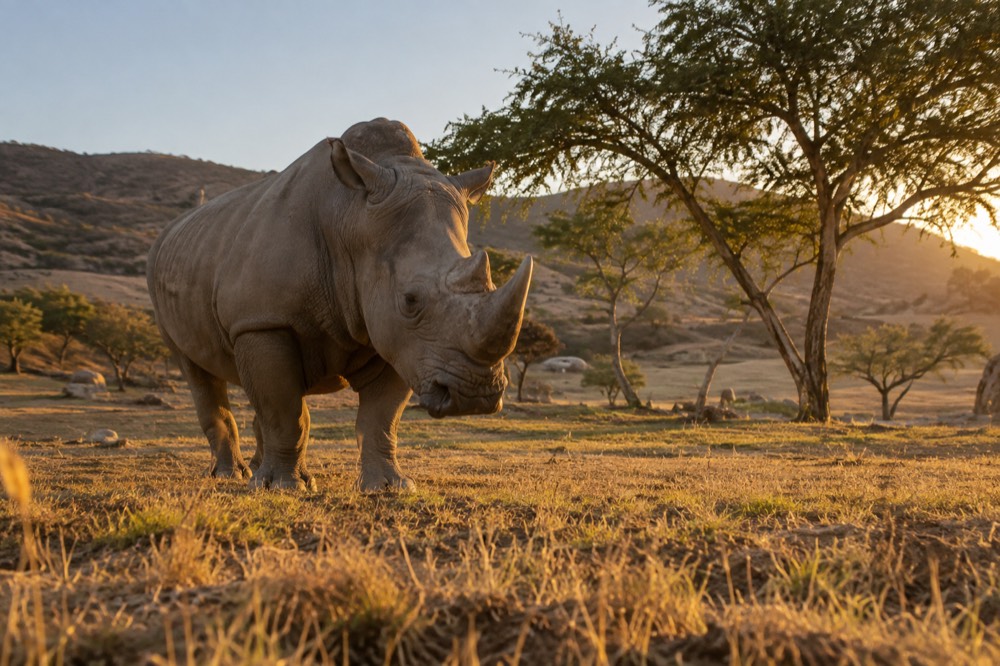
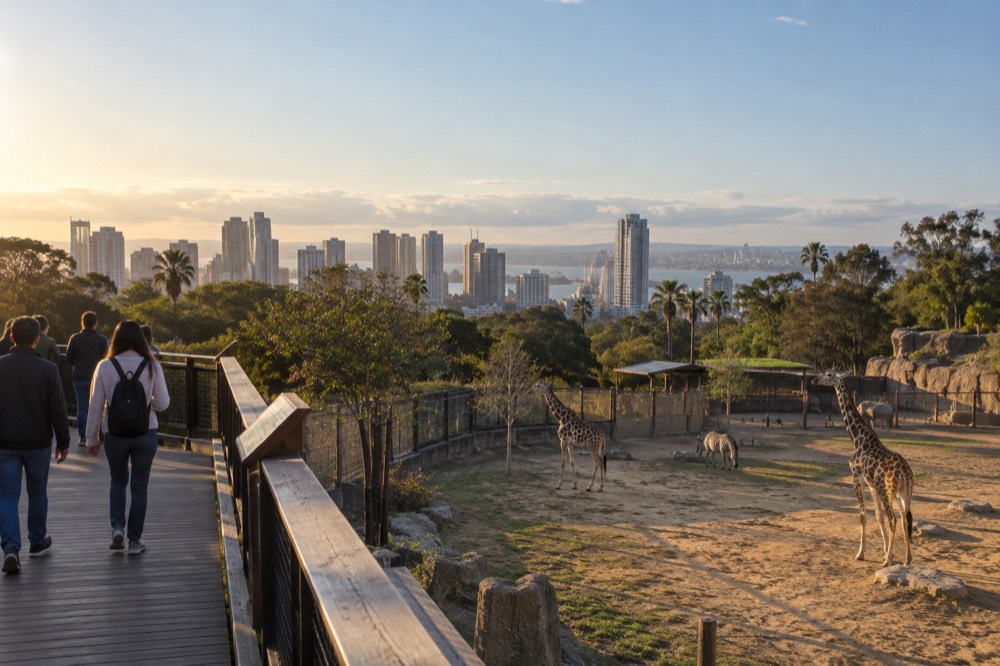
The Safari Park's strength is scale. Its field exhibits hold mixed herds the way a reserve does, so you watch a rhino amble past a giraffe, and the Africa Tram is the park's core experience rather than a bonus. The park is also the Alliance's center for rhino conservation work, and its lion and cheetah exhibits are designed for viewing animals at speed and at distance rather than up close through glass.
The practical difference for a visitor is time-per-animal. At the Zoo you will see more species and spend less time at each one. At the Safari Park you will see fewer species and spend longer watching each group behave like a herd, because there is more behavior to watch. Families with young kids often get more out of the Zoo's close-up exhibits; wildlife photographers and patient watchers usually prefer the Safari Park's long sightlines.
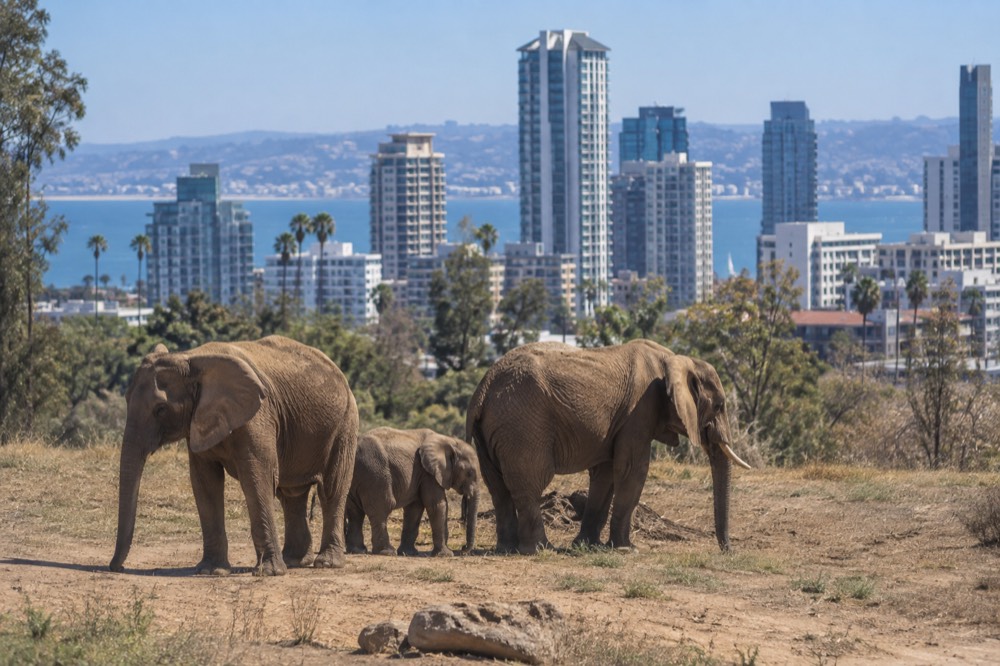
If elephants are your reason for visiting, both parks have them, but the Safari Park's elephant habitat is one of the largest in North America and it is a genuinely different experience from the Zoo's. The same goes for rhinos: the Safari Park is where the Alliance keeps its breeding herds.
How Long Do You Need at Each Park?
The Zoo is a comfortable five to six hour visit if you walk at a normal pace and skip nothing major, and it can be compressed to three hours on a tight schedule. The Safari Park needs a minimum of four hours, and six is realistic once you account for the tram, the walk-in and the field exhibits. Add 40 minutes of driving each way for the Safari Park on top.
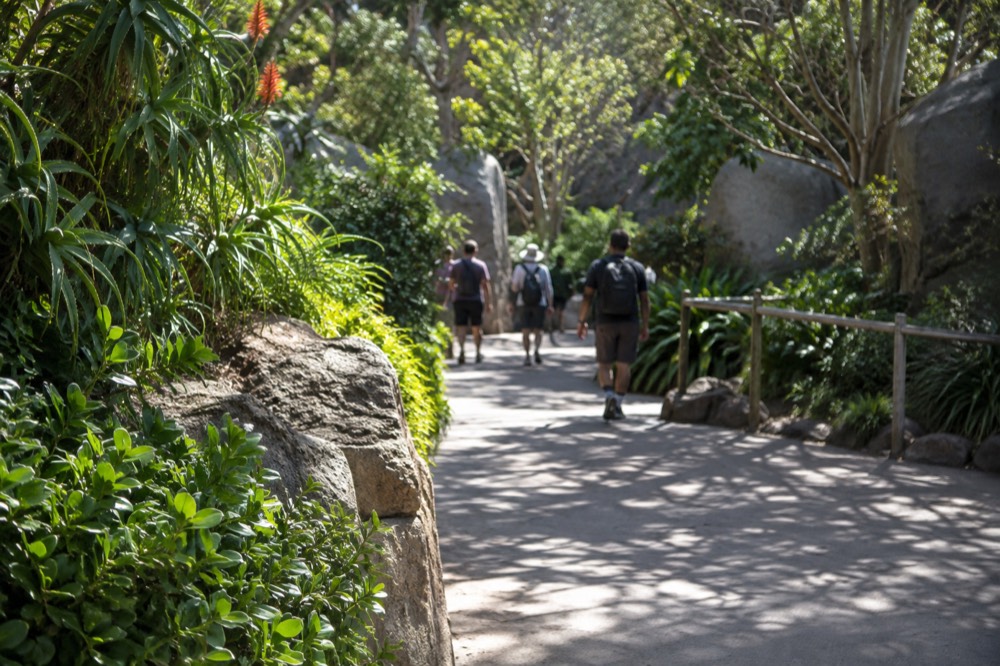
The Zoo's terrain is the hidden time cost. It is built into a canyon, and the loop from the entrance up through the upper exhibits and back down involves real hills. Strollers and mobility devices handle it, but slowly, and the park's bus tour exists partly to save your legs. If you arrive at opening, you can be museum-ready by mid-afternoon and still feel like you saw the park.
The Safari Park's time cost is distance. The entrance-to-field-exhibit walk is long, the tram loop is a scheduled ride rather than a hop-on, and the boardwalks between exhibits add up. Visitors who budget three hours routinely leave having seen only the Africa section. Six hours from the parking lot to the exit is the honest number, before the drive.
| Time factor | San Diego Zoo | Safari Park |
|---|---|---|
| Minimum visit | 3 hours | 4 hours |
| Comfortable visit | 5 to 6 hours | 6 hours |
| Drive from downtown | About 10 minutes | About 40 minutes each way |
| Transit option | MTS, $2.50 each way | None practical |
| Opening time | 9:00 am | About 9:00 am, seasonal |
| Terrain | Hilly canyon loop | Long, mostly flat distances |
Pairing matters here. Because the Zoo sits in Balboa Park, a Zoo morning flows naturally into an afternoon at the free gardens, the Timken Museum or the Botanical Building, all covered in our Balboa Park guide. The Safari Park pairs with nothing except Escondido, which is why it works best as a dedicated day, often combined with a Temecula or North County drive rather than squeezed beside downtown sightseeing.
Is the Safari Park Worth the Drive from San Diego?
Yes, if large African animals in open fields are a priority for you and you have a full day to spend. No, if your trip is short, you are relying on transit, or your group would rather see maximum species in minimum time. The drive is roughly 40 minutes each way from downtown without traffic, and the park rewards slow, unhurried viewing rather than a checklist visit.
The transit point deserves plain language: there is no good way to reach the Safari Park without a car. A visitor staying downtown without a rental can reach the Zoo on the MTS network for $2.50 each way, but reaching Escondido by public transit is a multi-transfer trip that eats hours. If you are renting a car for other parts of the trip, Julian, Anza-Borrego or Temecula, the Safari Park slots into that same driving day logic.
The value question also depends on what you have seen elsewhere. Travelers who have visited African reserves, or even large open-range parks in other countries, sometimes find the Safari Park familiar. Travelers whose frame of reference is city zoos consistently rate it the more memorable of the two properties. Reviews on the live listing repeatedly mention the tram ride and the rhino viewing as the highlights that justified the drive.
For a one-time San Diego visitor with a single park day, our default advice stands: do the Zoo. For a visitor with three or more days, a car, and any interest in wildlife beyond the standard zoo lineup, the Safari Park is the day trip we would protect on the calendar. It is also the pick if your trip already includes the coast and downtown and you want one day that feels geographically different from everything else.
Zoo or Safari Park for Families with Kids?
Families with children under about five should default to the Zoo: shorter walks, closer animals, stroller-friendly paths and an easier exit when the meltdown comes. Families with school-age kids and teens get more from the Safari Park, where the tram, the wide fields and the conservation stories hold older attention spans better. Both parks charge children ages 3 to 11, and under-3s are free.
The Zoo's case for small kids is logistical. Everything is closer, food and bathrooms are never far, and if the day collapses at 11:30 am you have still seen the flamingos, the hippos and the koalas. The hills are the one strike against it with a stroller, and the bus tour is the workaround. Our San Diego with kids itinerary builds a full family day around exactly this logic.
The Safari Park's case for bigger kids is experiential. A seven-year-old who can sit through a 30-minute tram ride and scan a field for movement gets something the Zoo cannot offer, and the park's cheetah run and keeper talks are pitched at exactly that age. What it does not offer is a quick bailout: once you are in and walking, leaving early means a long haul back to the car and a 40-minute drive to undo.
| Question | Zoo | Safari Park |
|---|---|---|
| Best for ages | Under 5 to 10 | 7 and up |
| Walking intensity | Hilly but compact | Long and mostly flat |
| Stroller logistics | Manageable, hills | Long distances, hard at nap time |
| Headline animals | Polar bears, gorillas, koalas | Rhinos, giraffe herds, cheetahs |
| Typical visit | 5 to 6 hours | 6 hours plus drive |
| Bail-out ease | Easy, downtown adjacent | Hard, car required |
Either way, buy tickets before you go. Both parks run online pricing that beats the gate on Value Days, and the Zoo ticket specifically is sold through this site's booking partner, so you can Check availability alongside the Zoo admission ticket page.
Can You Do Both Parks in One Trip?
Yes, and the 2-Visit Pass is the cheapest way: $128 adult and $118 child against $152 and $132 list, covering one day at each park within a year. Do them on separate days, never the same day. The Zoo plus a downtown afternoon works as one day, and the Safari Park works as its own full day with the drive built in.
Trying to do both in one day is the classic mistake. The parks are 35 to 45 minutes apart by car, each needs five to six hours, and the person who attempts both ends up seeing half of each and driving through the middle of the day. Two separate days, with the Zoo slotted beside Balboa Park or the Embarcadero and the Safari Park given its own morning-to-afternoon block, is the plan that actually works.
If your trip already includes SeaWorld or LEGOLAND, the math changes, because the CityPASS products bundle parks. The San Diego CityPASS packages combine SeaWorld or LEGOLAND with three choices from a list that includes the Zoo, the Safari Park, the USS Midway, the Maritime Museum and the harbor cruise, valid for nine consecutive days from first use. The pass details and current package prices are published at citypass.com/san-diego. Our Go City San Diego pass guide covers the competing pass and, importantly, which headliners its standard tier excludes.
The rule of thumb: two park days and nothing else, buy the 2-Visit Pass. Three or more paid attractions, price the CityPASS against individual tickets before you commit. And if your trip is built around one park only, buy that single ticket early: Value Day pricing is online-only and the best dates sell out first.
What Is the Best Time of Year and Day to Visit Each?
Arrive at opening, 9:00 am, at both parks: animals are most active in the first two hours and the Zoo's hills are coolest. For the calendar, September and October are the sweet spot, warm and dry with thinner crowds, while summer weekends bring the worst congestion at both. The Safari Park's inland Escondido location runs noticeably hotter than the coast, which matters in August.
The morning advice is not folklore. Both parks open around 9:00 am, and the first hours are when the big cats move, the keepers feed, and the tram lines are short. By early afternoon, especially on warm days, half the collection is asleep in shade and the other half is behind a wall of strollers. The Zoo's last entry and closing times shift by season, so the official plan-your-visit page is the source to check for your date.
The seasonal point is one this site makes often, and it holds for both parks: San Diego's real summer is September. The coastal marine layer that locals call May Gray and June Gloom is visible in the 30-year temperature normals themselves, with June's normal high of 71.7°F sitting below October's 74.6°F, and the gray mornings thin out as the year moves past June. September and October combine warm afternoons, post-summer crowds and active animals.
Heat handling differs between the parks, and it should drive your scheduling. The Zoo's canyon layout and mature trees give you shade routes; the Safari Park's fields are more exposed, and Escondido is inland, where summer afternoons run well above the coastal reading. On a hot day, do the Safari Park's exposed boardwalks early and save the shaded walk-through exhibits, and the tram, for midday. Our San Diego weather and best time to visit guide has the full month-by-month breakdown.
One more comparison worth making before you finalize the calendar: if theme parks are also on your list, our SeaWorld vs San Diego Zoo comparison weighs a different pair of properties, and the same planning logic, one major park per day, applies across all of them.
Which Should You Book First?
Book the Safari Park first if you are doing both: its ticket dates are more constrained by your drive and your energy, and its live listing price moves with demand. Book the Zoo first if it is your only park, since Value Day pricing is online-only and the cheapest dates go early. In both cases, book before you leave home rather than at the gate.
The booking-order question is really a flexibility question. The Zoo can slide around a San Diego itinerary easily, because it sits next to everything downtown and works in a half-day-plus slot on almost any date. The Safari Park is a fixed commitment, a car day with a long block of hours, so once you have chosen its day, that ticket is the one to lock and build the rest of the week around.
Cancellation terms matter here too. The Safari Park 1-day ticket sold through this site's booking partner carries free cancellation on the live listing, so booking it early costs you nothing if your plans shift. That is the practical argument for booking the constrained day first and filling the flexible days in around it, and it is why we would rather see you reserve the Safari Park date three weeks out than stand at a kiosk deciding.
Whichever park you pick, the comparison in this article is the one that saves people money and time on the ground, and it is the kind of planning call the editorial desk behind Things to Do in San Diego makes on every guide we publish: same operator, two products, pick the one that matches your days rather than your instincts.
Common Questions About the San Diego Zoo vs the Safari Park
Which is better, the San Diego Zoo or the Safari Park?
For most first-time visitors, the Zoo: it is closer to downtown, denser, and easier to pair with other sightseeing. The Safari Park is better for visitors with a car, a full spare day and a strong interest in large African and Asian animals in open-range fields.
How much do tickets cost at each park?
The Zoo charges $76 for a 1-day adult Any Day ticket, $73 on Value Days, with children 3 to 11 at $66 and $63. The Safari Park's 1-day adult Value Day ticket is $73, children $63. Value Day pricing is online-only at both parks.
How far apart are the San Diego Zoo and the Safari Park?
Roughly 35 to 45 minutes by car, depending on traffic. The Zoo is in Balboa Park near downtown; the Safari Park is in Escondido, inland and north, and there is no practical transit connection for visitors.
Can you visit both parks on the same day?
Not well. Each park needs five to six hours and they are 40 minutes apart by car. The Wildlife Alliance's 2-Visit Pass, $128 adult and $118 child, covers one day at each park within a year and is the cheapest way to do both on separate days.
How much is parking at each park?
The Zoo charges $16 per vehicle per day, a rate that began in January 2026, with oversized vehicles at $44. The Safari Park charges $20 general, $55 oversized, and preferred from $45, with no in-and-out privileges.
Which park is better for young children?
The Zoo. Shorter walking distances, closer exhibits, stroller-friendly paths and an easy early exit if the day goes sideways. The Safari Park rewards older kids and teens who can handle the tram ride and long boardwalks.