Outdoor Things to Do in San Diego: Beaches, Trails, Kayaks and More
San Diego is an outdoor city by design: mild afternoons all year, roughly 24 miles of lifeguarded coastline, and a marine layer that burns off by noon more often than not. This guide sorts the outdoor options by what you actually want to do, on the water, on foot, or with kids in tow.
Short answer
The best outdoor things to do in San Diego cluster around the water: kayak the La Jolla sea caves, walk Sunset Cliffs, hike Torrey Pines, and cruise the bay. A 2-hour sea cave kayak tour and a 1-hour harbor cruise are the two most-booked outdoor experiences, the grounds of Balboa Park are free, and the trolley's $6 day pass reaches most of it.
San Diego runs on its weather. The city's normal afternoon high sits between 66.4 and 77.3 degrees Fahrenheit in every single month of the year, and August and September, not July, are the warm stretch, with September's normal high of 77.2 degrees actually beating July's by 1.9 degrees. The result is a place where the outdoors is the default plan, from the sandstone cliffs of La Jolla to the tidepools at Cabrillo National Monument.
The catch is that the coast has its own climate personality. Locals call the grey coastal mornings of late spring May Gray and June Gloom, and the 30-year normals show it plainly: June's average high of 71.7 degrees is lower than October's 74.6. Inland areas clear hours earlier than the beaches. Plan mornings for the coast, afternoons for the bay, and you will rarely notice the marine layer at all.
This guide covers the outdoor side of the city in the order a visitor actually needs it: what to do on the water, where to hike, which beach suits which day, what is free, and how to get between all of it without a car. For the full picture of the city, start with Things to Do in San Diego and work outward from there.
What Are the Best Outdoor Things to Do in San Diego?
The best outdoor things in San Diego are the La Jolla sea cave kayak tours, the Torrey Pines trails, Sunset Cliffs Natural Park, the Cabrillo National Monument tidepools, and a bay cruise or sunset sail on San Diego Bay. Add the free grounds of Balboa Park, the Embarcadero waterfront walk, and gray whale watching from late December through March, and you have a full week of outdoor plans without ever entering a building.
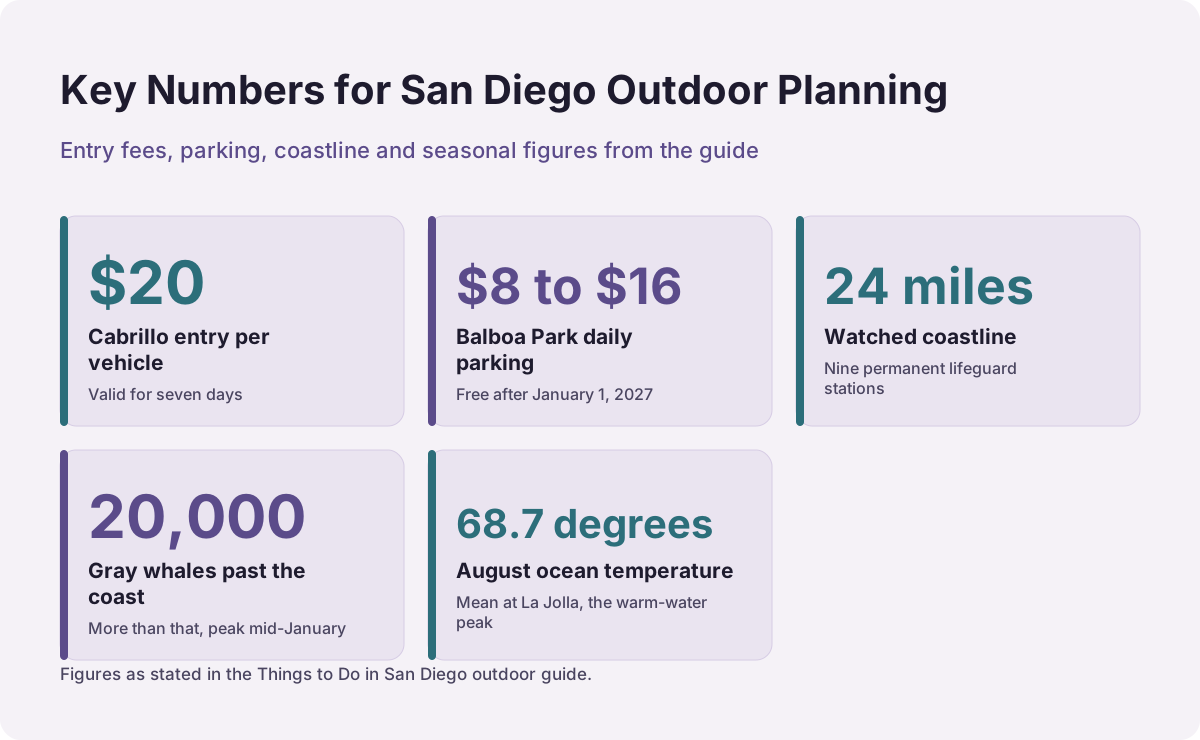
The list above is not ranked, because the right order depends on the season and on your energy level. Water activities dominate summer. Trail days work best from October through April, when the afternoons are dry and mild. Whale watching is a winter activity, with mid-January the peak of the gray whale migration, when more than 20,000 of the animals pass the San Diego coast on their way to Baja California.
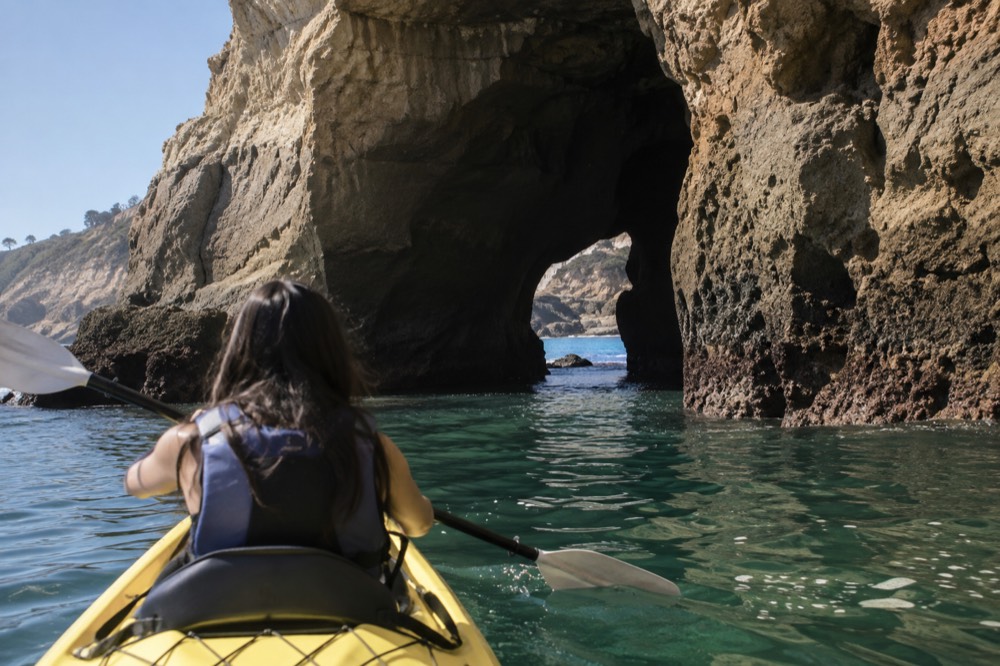
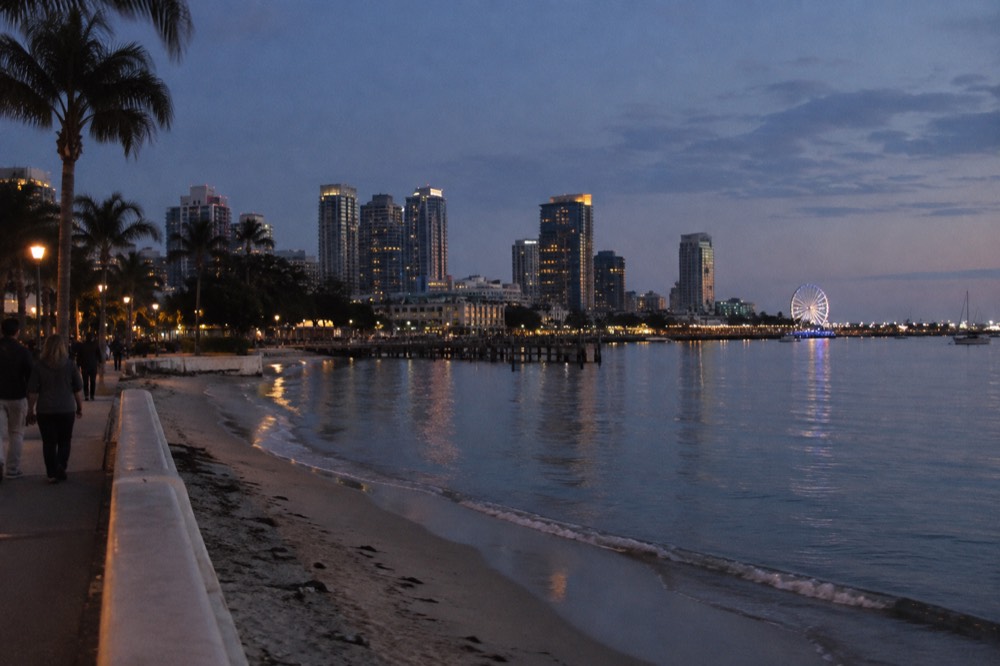
If you only have a day or two, the highest-yield combination is a La Jolla morning, kayaking or snorkeling the cove before the wind picks up, followed by an afternoon on the bay. Downtown's waterfront is flat, shaded in spots, and easy to walk, and the harbor cruises leave from right there. Our one day in San Diego itinerary sequences exactly this kind of day if you want a ready-made plan.
For a wider view of the city itself, two tours do the job well. The narrated hop-on hop-off trolley is valid for two days and stops at the major outdoor anchors, and the two-hour GoCar tour lets you drive a small story-telling car through downtown and out to the beaches, which is closer to a scavenger hunt than a bus ride.
Which Outdoor Activities in San Diego Are Free?
The free outdoor list is long: the grounds, gardens and trails of Balboa Park, the Botanical Building and Lily Pond, the Timken Museum of Art, Sunday organ concerts at Spreckels Organ Pavilion, Sunset Cliffs Natural Park, Torrey Pines State Natural Reserve's beach (the reserve itself charges parking), the La Jolla Cove viewpoint, the Embarcadero, and every city beach, which are all public and free to walk and swim at.
San Diego is unusually generous with free outdoor space. The city's lifeguard service staffs nine permanent oceanfront stations year round, covering roughly 24 miles of coastline, so even in January you are swimming or surfing at a watched beach. Alcohol is prohibited on all city beaches, boardwalks and parks, and glass containers are too, which keeps them clean and family-friendly.
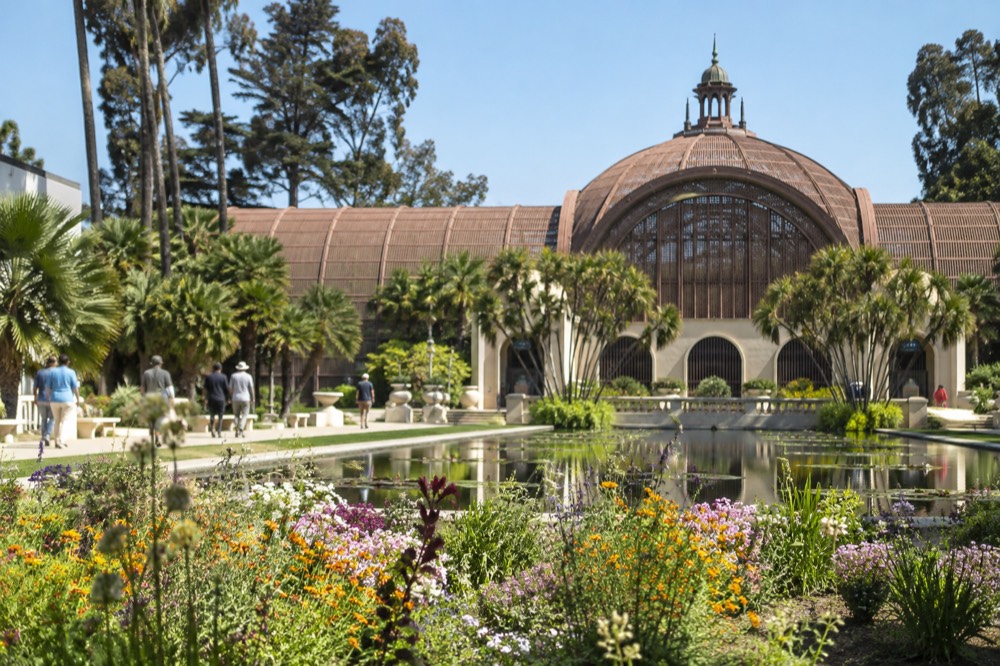
Balboa Park deserves special mention because so much of it costs nothing. The grounds, gardens and trails carry no admission, and the Botanical Building and Lily Pond are free after their restoration. Spreckels Organ Pavilion hosts free one-hour concerts every Sunday from 2:00 to 3:00 pm, year round, rain or shine. The paid museums inside the park are a separate subject, and one with a residency catch: the famous free Tuesdays are for residents of the City and County of San Diego plus active military, with photo ID, not for visitors. Our free things to do in San Diego guide covers the full list.
| Free outdoor spot | What you get | Best time |
|---|---|---|
| Balboa Park grounds and gardens | Gardens, trails and park architecture | Mornings, before museum crowds |
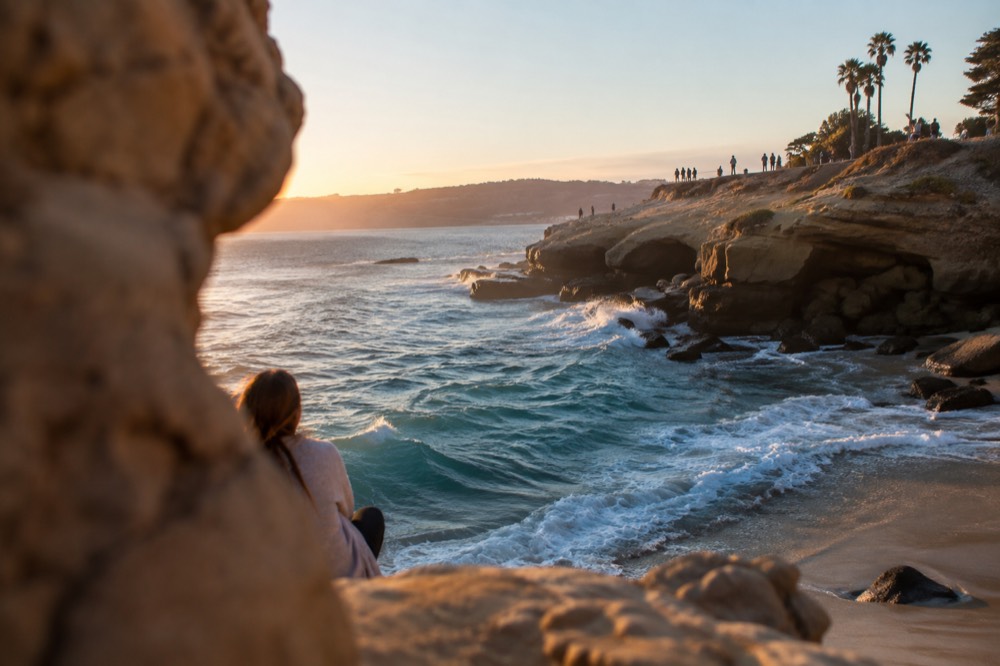
| Sunset Cliffs Natural Park | Ocean cliff walk with sunset views | The hour before sunset |
| La Jolla Cove viewpoint | Sea lions, cormorants and turquoise water | Morning, before wind |
| Embarcadero waterfront | Bay views, ships, public art | Anytime, flat walking |
| Spreckels Organ Pavilion | Free Sunday concerts, 2:00 to 3:00 pm | Sundays, year round |
| Mission Bay Park | Waterfront paths, picnic lawns | Afternoons |
One practical note on Balboa Park parking, because it changes soon: paid parking is live now at $8 to $16 a day depending on the lot and residency, but City Council has approved removing paid parking entirely effective January 1, 2027. After that date the lots are free. The free park tram runs 8:00 am to 8:00 pm either way.
What Can You Do on the Water in San Diego?
The on-the-water options are kayaking the La Jolla sea caves, snorkeling with sea lions at La Jolla Cove, surfing lessons, jet ski rentals on the bay, harbor cruises, speed boat tours you drive yourself, sailing at sunset, pier fishing, and whale watching cruises from December through March. The La Jolla kayak-and-snorkel trips are the most popular water experiences in the region, running about 90 minutes to 2 hours.
La Jolla is the center of gravity for water sports, and for good reason: the cove is a protected marine reserve, the water is unusually clear for a city beach, and the sea caves along the cliff line are the most dramatic paddling scenery in San Diego County. Guided tours run year round, and summer is the warm-water season: the mean ocean temperature at La Jolla peaks at 68.7 degrees in August and holds at 67.6 in September, which is warmer than July's 66.5.
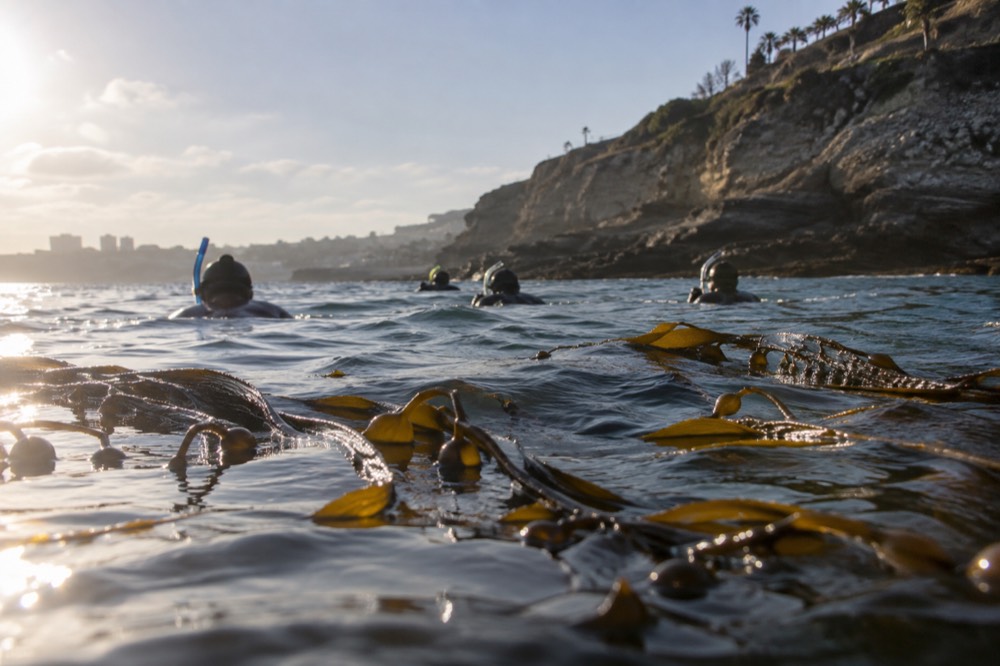
The sea cave kayak tour is the classic version, about two hours on the water with a guide who leads you through the cave arches when swell conditions allow. A shorter 90-minute version covers the same coastline at a gentler pace, and a combined kayak-and-snorkel tour splits the time between paddling and swimming over the reef. Our kayaking La Jolla sea caves and snorkeling in La Jolla guides go deeper on each.
On the bay side, the water is flat and the skyline does the scenery work. A one-hour harbor cruise is the easy version, a 90-minute Best of the Bay tour covers more of the waterfront, and the dinner and sunset sailing options turn the same water into an evening plan. For something louder, jet boat thrill rides and drive-your-own speed boat tours run from the Embarcadero, and jet ski rentals operate out of Coronado.
Where Are the Best Hikes and Coastal Walks?
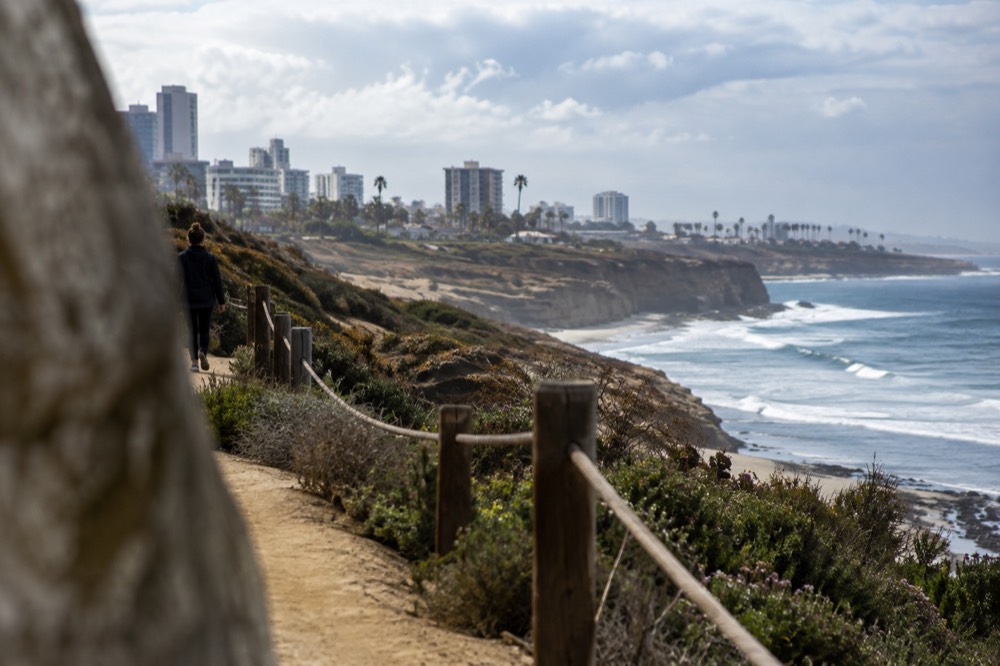
The best hikes are Torrey Pines State Natural Reserve, with ocean-view trails over the rarest pine tree in the United States, Cabrillo National Monument's Bayside Trail, Sunset Cliffs Natural Park, Potato Chip Rock on Mount Woodson, and the trails of Mission Trails Regional Park. Torrey Pines is the signature coastal hike: bluff-top trails dropping to a wild beach, with the main loop doable in a relaxed morning.
Torrey Pines is the one to prioritize. The reserve protects the Torrey pine, a tree that grows naturally only here and on one of the Channel Islands, and the trail network runs along a bluff face that drops straight to the beach. The trails close at sunset and parking fills early on weekends, so arrive before 10:00 am. Our Torrey Pines State Natural Reserve guide has the trail-by-trail breakdown.
Cabrillo National Monument, out on the tip of Point Loma, pairs history with walking. The Bayside Trail is a gentle out-and-back with bay and downtown views, and the tidepools below are among the best in the county, with the whole coastal area closing at 4:30 pm and the trails at 4:00 pm, earlier than the main park's 5:00 pm gate. Entry is $20 per private vehicle, valid for seven days. Gray whales are visible from the Kelp Forest Overlook and the Old Point Loma Lighthouse from mid-to-late December through March, with mid-January the peak.
| Hike | Distance feel | What makes it special | Watch out for |
|---|---|---|---|
| Torrey Pines Reserve trails | Short loops to half-day | Rare pines, bluff-top ocean views | Parking fills early |
| Cabrillo Bayside Trail | Short out-and-back | Bay views, WWII history | Closes 4:00 pm |
| Sunset Cliffs walk | As long as you like | Cliff formations, surfers | Unfenced edges, stay back |
| Potato Chip Rock | A solid half-day climb | The famous thin granite slab | Full sun, bring water |
| Mission Trails Regional Park | Many options | Inland canyons, big trail network | Hot inland afternoons in summer |
For walkers rather than hikers, the Sunset Cliffs shoreline path and the La Jolla Coast Walk are flat, short and photogenic, and the Embarcadero stretches from the USS Midway to the fishing docks with bay views the whole way. Our hiking in San Diego guide covers the inland options, and the most beautiful hike in San Diego question is answered by locals with surprising consistency: Torrey Pines at golden hour.
Which San Diego Beach Should You Choose?
Pick the beach by activity: La Jolla Cove for snorkeling and sea lions, La Jolla Shores for beginner surfing and kayaking, Coronado Beach for wide sand and family days, Pacific Beach for boardwalk energy, Ocean Beach for dogs, sunset and a pier, Mission Beach for Belmont Park and volleyball, and Imperial Beach or Sunset Cliffs when you want fewer people. All city beaches are free, lifeguarded at the nine permanent stations, and alcohol-free.
The honest answer about beaches is that the differences are about vibe, not water quality or beauty. The county posts water quality results same day or next business day, and closures are rare outside storm runoff events. What actually separates the beaches is what surrounds the sand: Pacific Beach has a boardwalk and bars, Coronado has the Hotel del Coronado and calm water, Ocean Beach has a dog beach and a mellow pier crowd.
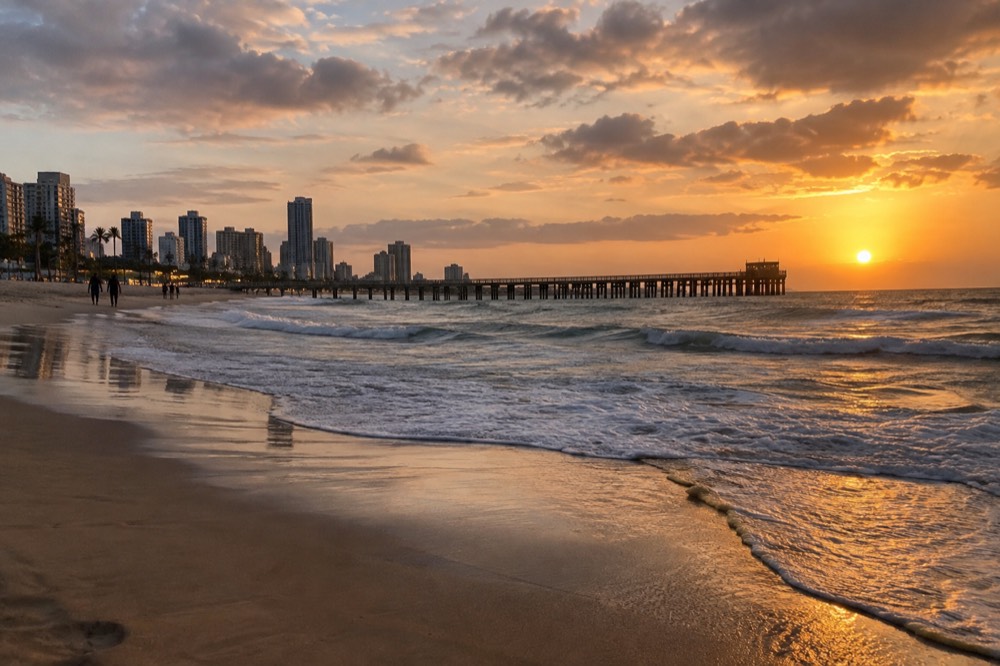
Parking is the real constraint, and there is no honest published rate to quote: the beach neighborhoods are street-and-lot parking that is free to park in and very hard to find in summer, especially near Mission Beach and La Jolla on weekend afternoons. Arrive before 10:00 am, use the paid lots where you find them, or take the trolley and a bus. Our best beaches in San Diego and parking in San Diego guides go into both problems in detail.
Swimming safety comes down to one thing the lifeguard service repeats: rip currents are the primary hazard. If you are caught in one, stay calm, swim parallel to the shore until the pull relaxes, then swim in. Float and wave for help if you cannot get out, never swim alone, and swim near a lifeguard.
When Is the Best Time of Year for Outdoor Activities in San Diego?
September is the best-kept secret: it is statistically San Diego's real summer, with a normal high of 77.2 degrees, the year's warmest ocean water holding at 67.6 degrees, and the lowest summer crowds. For hiking, October through April is ideal. For whale watching, late December through March, peaking mid-January. For surfing, late summer and early fall bring the warmest water and the most consistent swell.
The September fact is worth dwelling on because almost nobody plans around it. Across 2022 to 2024, September was the single lowest-visitation month at Cabrillo National Monument, with 56,876 recreation visits against July's 83,999, a 48 percent gap, even though September's normal high temperature beats July's and its ocean is warmer. The weather is at its best precisely when the crowds are thinnest.
Rain barely factors into the planning. December through March carries 7.3 of the year's rain, and August's normal precipitation rounds to one hundredth of an inch, with zero days of measurable rain. The marine layer is the thing to plan around instead: in May and June the coast can stay grey until midday while inland areas are clear, so schedule beach mornings loosely and keep inland options, like Balboa Park's eastern trails or a brewery patio, as your backup.
| Month | Normal high °F | Ocean temp °F | Best outdoor plan |
|---|---|---|---|
| January | 66.4 | 58.1 | Gray whale watching, tidepools |
| April | 68.8 | 59.2 | Hiking, wildflowers inland |
| June | 71.7 | 64.0 | Bay activities, marine-layer mornings |
| July | 75.3 | 66.5 | Beaches, kayaking |
| September | 77.2 | 67.6 | Everything, with the fewest crowds |
| December | 66.0 | 60.8 | Whale watching, sunset walks |
What Outdoor Things Can You Do with Kids?
The best outdoor activities with kids are the SEA-themed days at La Jolla Shores, beginner surf lessons, the La Jolla kayak tours that take children in double kayaks, the tidepools at Cabrillo and at our tide pool guide's spots, bike rentals along Mission Bay's flat paths, the amphibious SEAL bus tour that drives into the water, and Belmont Park's beachfront rides at Mission Beach. The Zoo and Safari Park are outdoor days too, and both are walkable, hilly and shady in patches.
The amphibious SEAL tour is the kid-pleaser that adults also rate highly: 1 hour 40 minutes that starts as a city tour and ends with the bus driving straight into the bay. Belmont Park sits right on the Mission Beach boardwalk with a historic roller coaster and a carousel, and the Mission Bay paths are flat, car-free and ideal for kids on bikes or scooters.
For water activities, La Jolla Shores is the family beach: the waves break gently, the kayak tours launch from the sand, and the Marine Protected Area means the snorkeling is full of garibaldi and leopard sharks, harmless and abundant in late summer. Our San Diego with kids itinerary and family beaches in San Diego guides sequence the full week.
Note the two zoo properties count as outdoor days but have their own logistics: the Zoo charges $16 per vehicle for parking, the Safari Park $20, and the Safari Park's general lot has no in-and-out privileges, so pack for the whole day.
Can You Do All of This Without a Car?
Yes, mostly. The trolley and bus system reaches downtown, Balboa Park, Old Town, Coronado's ferry landing area, and the border, with a $2.50 one-way fare and a $6.00 day pass. The Blue Line runs from San Ysidro through downtown to UC San Diego. The weak spots are Torrey Pines, Sunset Cliffs and the beach neighborhoods north of Pacific Beach, which need a bus connection, patience, or a rideshare for the last stretch.
The fare system is called PRONTO, and its best feature is fare capping: load money on the card or app, pay as you go, and once your rides total the day-pass value the system stops charging you for the day. There is no reason to buy a day pass up front. Youth 18 and under ride free, and up to two children aged 5 and under travel free with a paying adult.
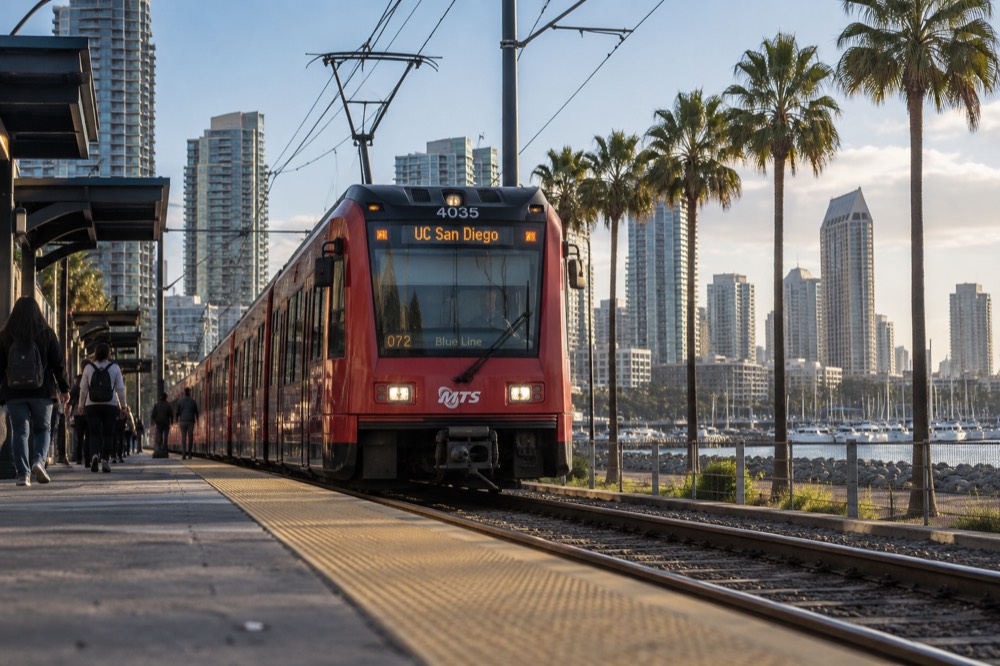
For the outdoor itinerary specifically, the car-free plan works like this: trolley or bus to downtown and walk the Embarcadero, take the harbor cruise or a bay tour from the foot of Broadway, bus to Balboa Park for the gardens, and accept a rideshare for La Jolla and Torrey Pines, where the bus connections exist but eat time. Our getting around San Diego guide has every route.
The narrated trolley tour solves the same problem in a more relaxed way: it is valid for two days, stops at the major outdoor anchors including Balboa Park, Coronado and the Embarcadero, and you hop off and back on at your own pace. For a two-day outdoor visit without a car, it is the single most efficient purchase.
What About Whale Watching and Wildlife?
Gray whale season runs from mid-to-late December through March, with mid-January the peak of a migration that brings more than 20,000 whales past San Diego. Three-hour whale watch cruises run from the bay all season. Year round, the wildlife constants are the sea lions and harbor seals at La Jolla Cove, the leopard sharks of La Jolla Shores in late summer, and the birds and tidepool life along the Point Loma coast.
You can watch gray whales free from shore, and the National Park Service names the two best spots inside Cabrillo National Monument: the Kelp Forest Overlook and the Old Point Loma Lighthouse. The park also runs a Whale Watch Weekend and Intertidal Festival in late January or early February. Bring binoculars, go in the morning before the wind picks up, and pick a calm day, because the viewing odds are best in January and February in good conditions.
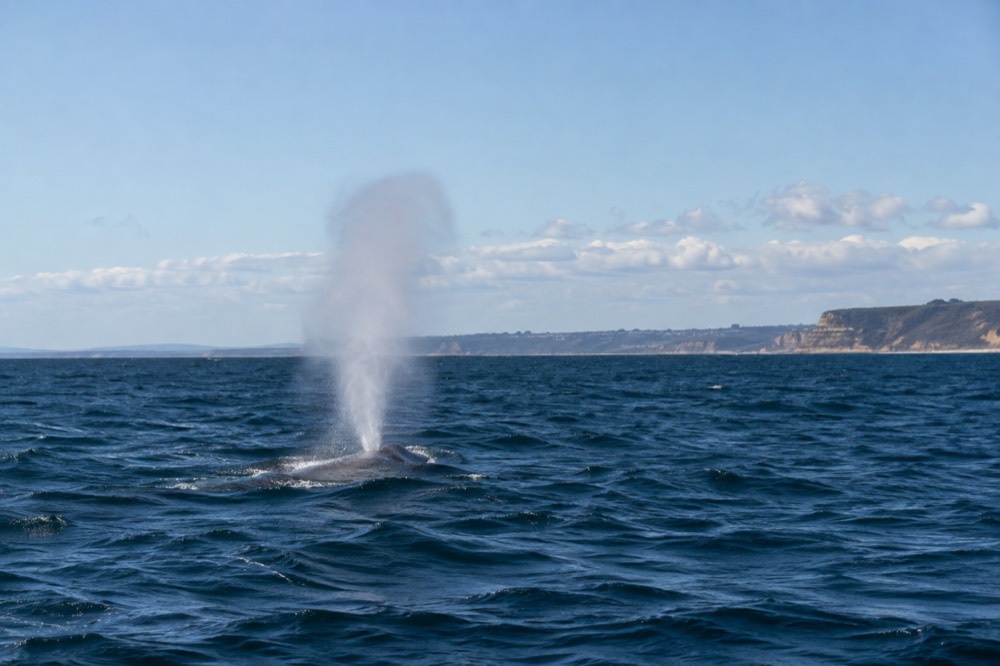
The boat version gets you much closer. Three-hour whale watch cruises leave from the downtown embarcadero and combine the migration with the bay's resident dolphins and sea lions, and the same operators run harbor and sunset cruises in the off season. One caution: blue whale season off San Diego is not a reliably documented window, so book on the gray whale season, which is.
At La Jolla, keep a respectful distance from the sea lions and seals, and know that the Children's Pool area has an annual seal pupping closure whose dates change, so check locally before you plan a close visit. The La Jolla Cove guide covers the viewing etiquette and the best hours.
Common Questions About Outdoor Things to Do in San Diego
What are the best outdoor things to do in San Diego?
Kayak the La Jolla sea caves, hike Torrey Pines State Natural Reserve, walk Sunset Cliffs Natural Park, explore the tidepools at Cabrillo National Monument, and take a harbor cruise or sunset sail on the bay. The free grounds of Balboa Park and the Embarcadero waterfront walk round out the list, and gray whale watching runs from late December through March.
What outdoor activities in San Diego are free?
The Balboa Park grounds, gardens and trails, the Botanical Building and Lily Pond, Sunday organ concerts at Spreckels Organ Pavilion, Sunset Cliffs, the La Jolla Cove viewpoint, the Embarcadero, and every city beach. Note that Balboa Park's free museum Tuesdays are for San Diego residents and active military with ID, not for visitors.
When is the best time of year for outdoor activities in San Diego?
September is the statistical sweet spot: a normal high of 77.2 degrees, the year's warmest ocean water, and the lowest visitation of the summer months. For hiking, October through April. For whale watching, late December through March with mid-January the peak. May and June bring grey marine-layer mornings on the coast.
Can you kayak the La Jolla sea caves without experience?
Yes. The guided tours are built for first-timers, with a safety briefing and a guide leading the group, and most paddling happens in protected water near the cove. Cave entries depend on swell conditions on the day, and the guide decides. Tours run about 90 minutes to 2 hours.
Can you see whales from shore in San Diego?
Yes, during gray whale season from mid-to-late December through March. The National Park Service recommends the Kelp Forest Overlook and the Old Point Loma Lighthouse inside Cabrillo National Monument, best on calm mornings in January and February. More than 20,000 gray whales pass each year.
Do you need a car for outdoor activities in San Diego?
Not for downtown, Balboa Park, Old Town or the bay, which the trolley and buses reach for $2.50 one-way or a $6.00 day pass with PRONTO fare capping. Torrey Pines, Sunset Cliffs and the northern beach neighborhoods are slower by transit, so a rideshare for those legs saves real time.