San Diego Tide Pools: Where to Go and When the Tides Are Right
San Diego's tide pools are free to visit and hiding in plain sight along the Point Loma and La Jolla coast, but they only appear for a few hours a day. Here is where to go, how to read the tide table, and how to time your visit so the water is actually out.
Short answer
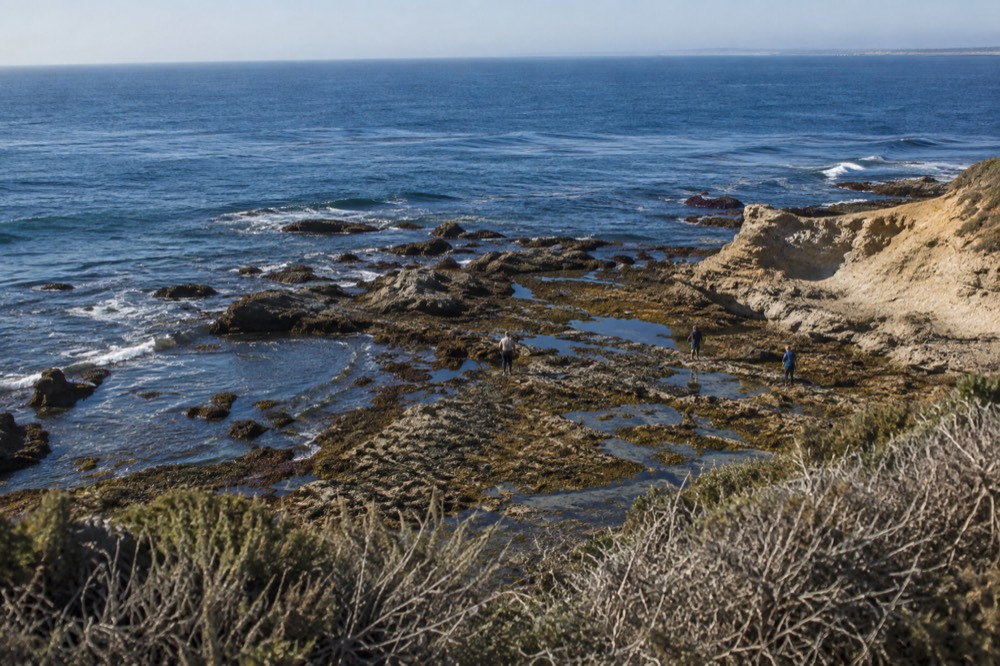
The best tide pools in San Diego are at Cabrillo National Monument, where the protected Coastal Area closes at 4:30 pm daily and entrance is $20 per vehicle. La Jolla and Sunset Cliffs also hold good pools. Go on a low or negative tide, ideally in fall and winter when midday minus tides are most common, and check a tide chart before you leave.
San Diego keeps some of its best sightseeing below the waterline. Twice a day the tide pulls back from the rocky shelves at Point Loma, La Jolla and Sunset Cliffs and leaves behind pools full of hermit crabs, anemones and small octopuses, all visible from dry land with nothing but sharp eyes and a pair of shoes you do not mind getting wet.
The catch is timing. The pools exist whether you show up or not, but they only reveal themselves for a few hours, and the window shifts every single day. Plenty of visitors drive out to the coast at 2 pm, find nothing but flat ocean, and conclude there was nothing to see. This guide is about not being that person: where the pools are, how to read a tide chart, what lives in them, and how to visit without hurting a very fragile habitat.
Where Are the Best Tide Pools in San Diego?
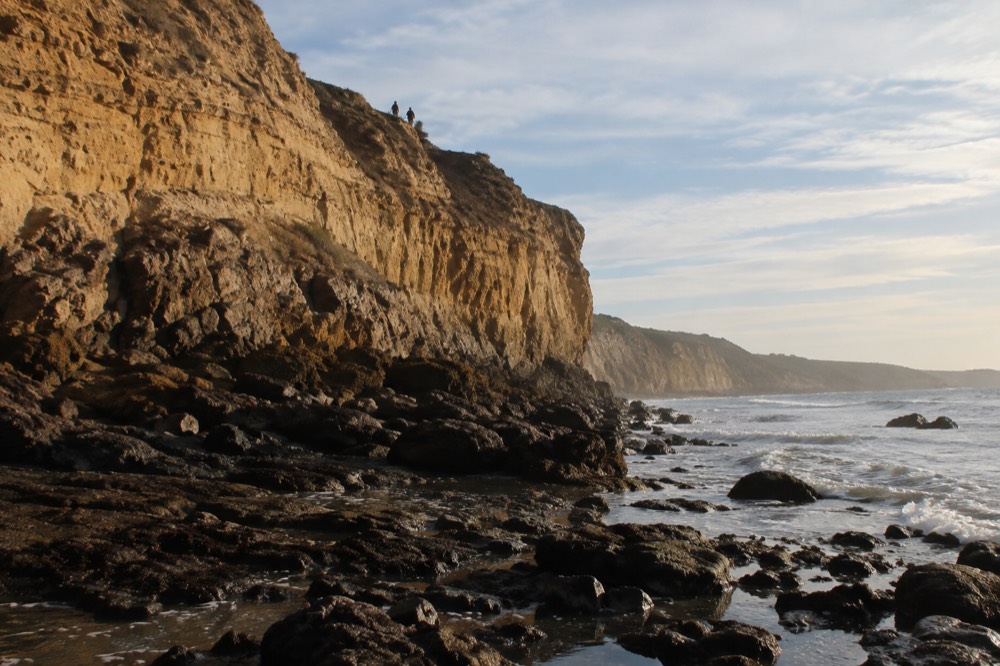
The strongest tide pooling in San Diego is concentrated on three stretches of rocky coast: the protected tidepool area inside Cabrillo National Monument on Point Loma, the shelves and coves around La Jolla, and the flatter reef ledges at Sunset Cliffs. Cabrillo is the most reliable and the most protected, La Jolla pairs pools with seals and snorkeling, and Sunset Cliffs is the closest good option to Ocean Beach and Pacific Beach.
Each spot behaves differently, and the differences matter more than most guides admit.
Cabrillo National Monument runs the only tidepool area in the city that is actively managed as one. Rangers and volunteers patrol the Coastal Area, there are rules posted, and the whole zone closes at 4:30 pm sharp, which we will get into below. The rock shelves there slope gently, so even a modest low tide exposes a wide band of pools. It is also the only one of the three with an entrance fee.
La Jolla is the free-for-all option, in the best sense. The rocky points around La Jolla Cove and the northern end of La Jolla Shores hold plenty of pools, and because the coastline is long you can almost always find an unexposed patch somewhere. The trade-off is that the pools share the rocks with harbor seals and sea lions, and the rules around those animals are strict. Keep a respectful distance and let the mammals have their rocks.
Sunset Cliffs, the natural park that runs along the Point Loma oceanfront, is the quietest of the three. The cliff-top walk is the main draw for most people, but below the cliffs the reef ledges hold pools at low tide, and the crowds are thinner than La Jolla's. The terrain is rougher underfoot and access points are steeper, so it suits visitors who are steady on their feet.
Here is how the three stack up:
| Spot | Cost | Access | Best for |
|---|---|---|---|
| Cabrillo National Monument | $20 per vehicle, pass valid 7 days | Paved road down to the Coastal Area, then rocky reef | Families, first-timers, anyone who wants a managed habitat |
| La Jolla Cove and Shores | Free | Street parking, short walk to the rocks | Pairing pools with snorkeling, seals and a beach day |
| Sunset Cliffs Natural Park | Free | Cliff-side street parking, steep dirt paths down | Fewer crowds, photographers, confident walkers |
One more thing worth knowing before you pick: the Cabrillo entrance pass is valid for seven days from purchase, so if you are staying a week you can scout the tide chart and return on the best day without paying twice. Details on the park's own fees page.
Why Cabrillo National Monument Is the Tide Pool Capital
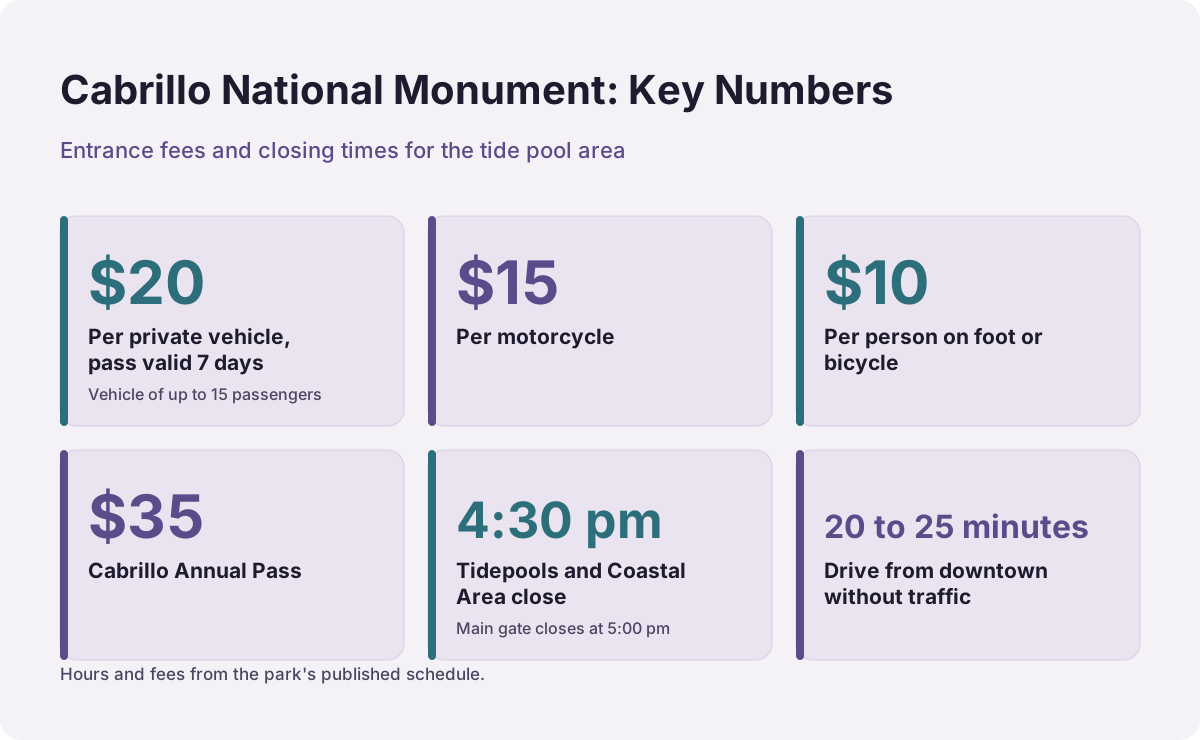
Cabrillo National Monument protects the best-managed tidepool habitat on the San Diego coast, and the National Park Service treats it as a managed resource rather than a curiosity. The Coastal Area closes at 4:30 pm every day, the main gate closes at 5:00 pm, and entrance is $20 per private vehicle with the pass valid for seven days. That makes Cabrillo the one spot where the tide, not the parking, is your only real constraint.
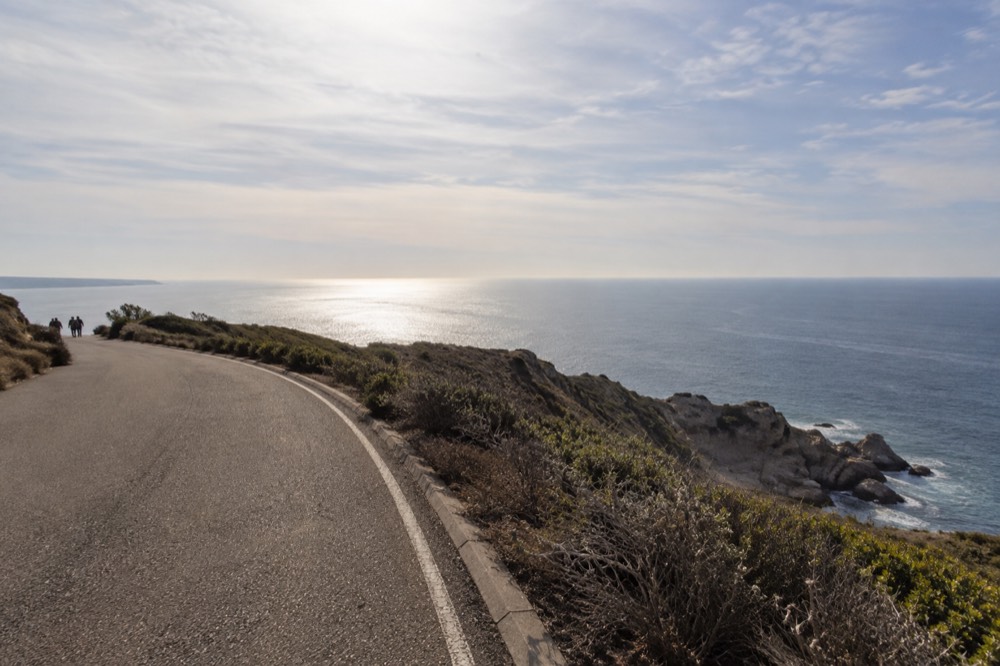
The park sits at the tip of Point Loma, the long peninsula that forms the west side of San Diego Bay. Its west-facing coast takes the full force of the open Pacific, and the intertidal reef below the lighthouse is broad, gently sloping and full of life: sea stars, anemones, hermit crabs, chitons, small octopuses and, in the right season, gray whales passing offshore.
The staggered closing times are the detail that catches people out. The park itself is open 9:00 am to 5:00 pm daily, closed only on Thanksgiving and Christmas Day. But the Bayside and Oceanside trails close at 4:00 pm, and the tidepools and the entire Coastal Area close at 4:30 pm, a full half hour before the main gate. If your low tide is an evening one, you cannot see it here: the reef is closed and the ranger will turn you back at the road.
| Cabrillo area | Daily hours |
|---|---|
| Main park and entrance station | 9:00 am to 5:00 pm |
| Visitor Center and bookstore | 10:00 am to 4:00 pm weekdays, to 5:00 pm weekends |
| Bayside and Oceanside Trails | Close at 4:00 pm |
| Tidepools and Coastal Area | Close at 4:30 pm |
| Old Point Loma Lighthouse and exhibits | 10:00 am to 5:00 pm |
The hours come straight from the park's published schedule, and they matter because the best tide pool tides in San Diego often fall in the late afternoon in winter. If the chart shows a 4:45 pm low, Cabrillo is off the table that day and you should head to La Jolla or Sunset Cliffs instead.
Fees are simple: $20 per private vehicle of up to 15 passengers, $15 per motorcycle, $10 per person on foot or bicycle, and the Cabrillo Annual Pass is $35. Card payment is preferred, and the park has said it will go cashless but has set no timetable. One quirk worth repeating from the park's own fine print: receipts and photographs of passes are not valid for entry. Every pass must be physically presented at the Entrance Station, except the Cabrillo Annual Pass, which is the only one you can buy online and show digitally.
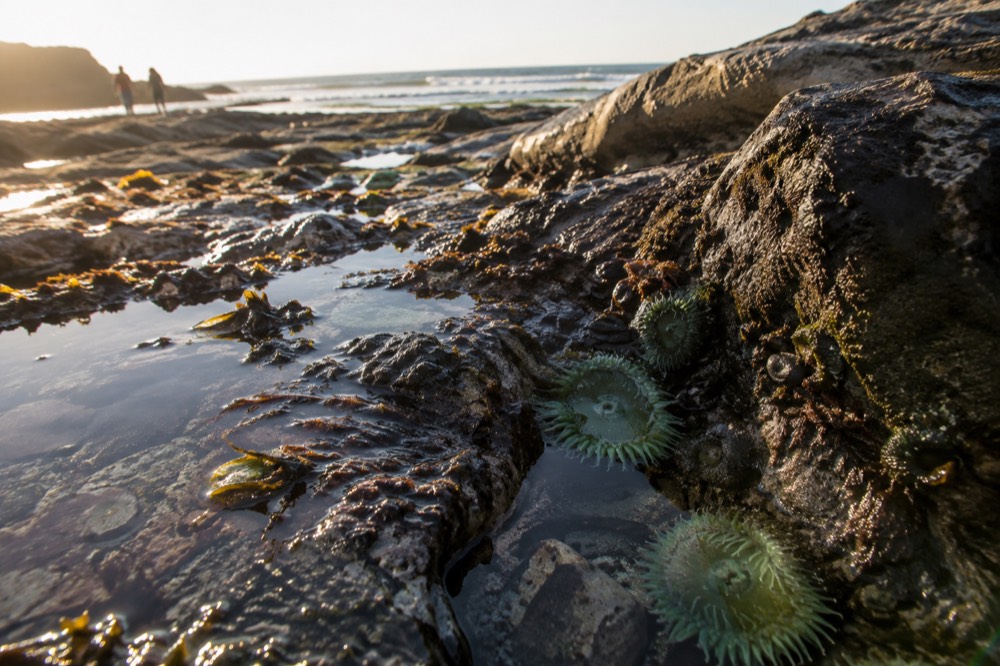
Because the tidepool zone is a managed habitat, the rules are stricter here than anywhere else in the city. You may not collect anything, no shells, no rocks, no creatures, and you are asked not to touch or pick up animals at all. Rangers and volunteer docents are often on the reef during busy low tides, and they are genuinely happy to point things out, so ask rather than guess.
Cabrillo is a fair drive from downtown, roughly 20 to 25 minutes without traffic, and there is no Trolley line to Point Loma. If you would rather not drive, a guided highlights tour that covers the city and the coastal neighborhoods in one 5h 30m day is the simplest way to fold Point Loma into a trip without a rental car; check availability on the operator's live listing.
How Do You Read the Tide Chart So You Actually See Pools?
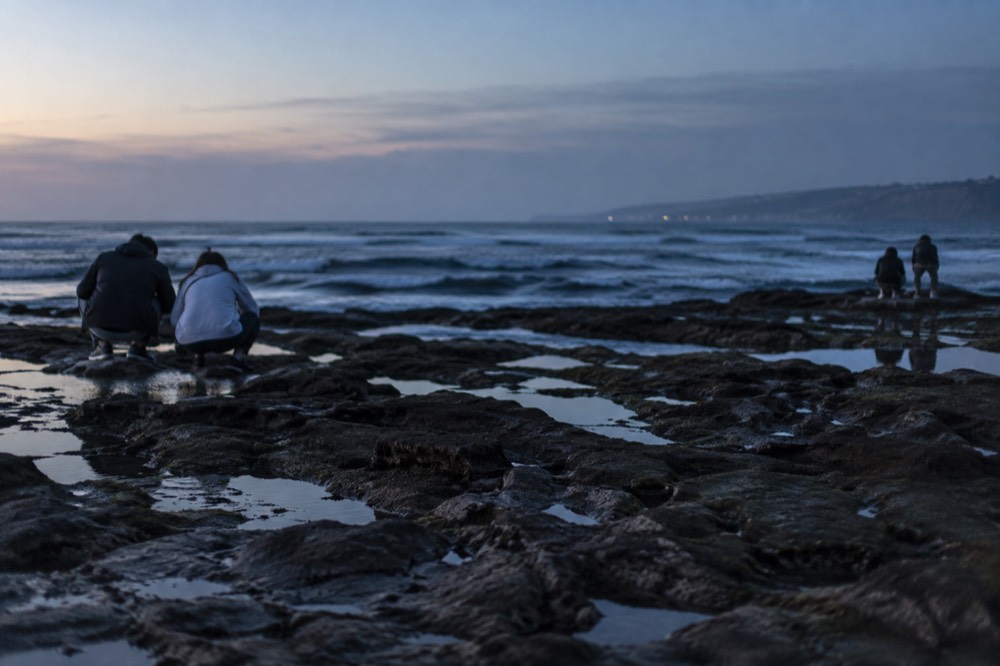
Tide pools only appear at low tide, and in San Diego the tides you want are the lows near or below zero feet, often printed as negative numbers on the chart. Check a NOAA tide prediction for the San Diego coast before you go, aim to arrive about an hour before the printed low, and remember the window shifts roughly 50 minutes later each day, so yesterday's perfect time is wrong today.
The single biggest mistake visitors make is treating the tide like a schedule that holds still. It does not. The ocean pulls back to its low point, holds there for only a short period, and starts flooding back in. If the chart says low tide is at 11:20 am, the exposed pools are at their best from roughly 10:30 am to noon, and by 1 pm much of the reef is underwater again.
A few practical points make the difference between a great visit and a wet disappointment:
- Arrive early, not on time. The hour before the printed low is when the widest band of reef is exposed and the animals are most active in the retreating water.
- Mind the swell. A very low tide with a large ocean swell still covers the outer reef in surging water. On big surf days the inner pools are the safe and rewarding ones.
- Watch your exit. People get stranded or surprised on exposed reefs every year because they walked out at low tide and did not notice the water returning. Keep an eye on the waterline behind you.
- Winter and fall give you the best odds. The biggest negative tides of the year cluster around the new and full moons in those seasons, and they often fall in daylight, which is exactly when Cabrillo's reef is open.
San Diego has two low tides most days, one larger than the other, and the larger one is the one worth building a day around. Any free tide app or the NOAA predictions for the La Jolla or Point Loma stations will show both, with the negative lows printed with a minus sign. Those are the days locals circle on the calendar.
Since a good low tide only takes an hour or two out of your day, the rest of it is yours to fill, and the coast-hugging ways of seeing the city pair naturally with a reef morning. These are the options travelers most often book alongside a tide pool plan:
The ocean temperature is worth a glance too, if only for expectations. The pools themselves are shallow and warm fast in the sun, but your ankles are in Pacific water, and the Pacific here is cold even in August.
| Month | Mean sea-surface temperature off La Jolla |
|---|---|
| January | 58.1°F |
| March | 58.7°F |
| May | 63.4°F |
| July | 66.5°F |
| September | 67.6°F |
| November | 62.4°F |
Those readings come from the long-running NOAA station at Scripps Pier, and they explain why locals wear reef shoes or cheap sneakers into the water rather than going barefoot: it is the sharp barnacle-covered rock, not the cold, that ends most visits early.
If you would rather let someone else handle the logistics of a coast-and-city day, the two-day narrated trolley is the most flexible fit for a tide pool trip, since you can hop off near the waterfront and keep the loop running while the tide does its thing.
What Will You Actually See in the Pools?
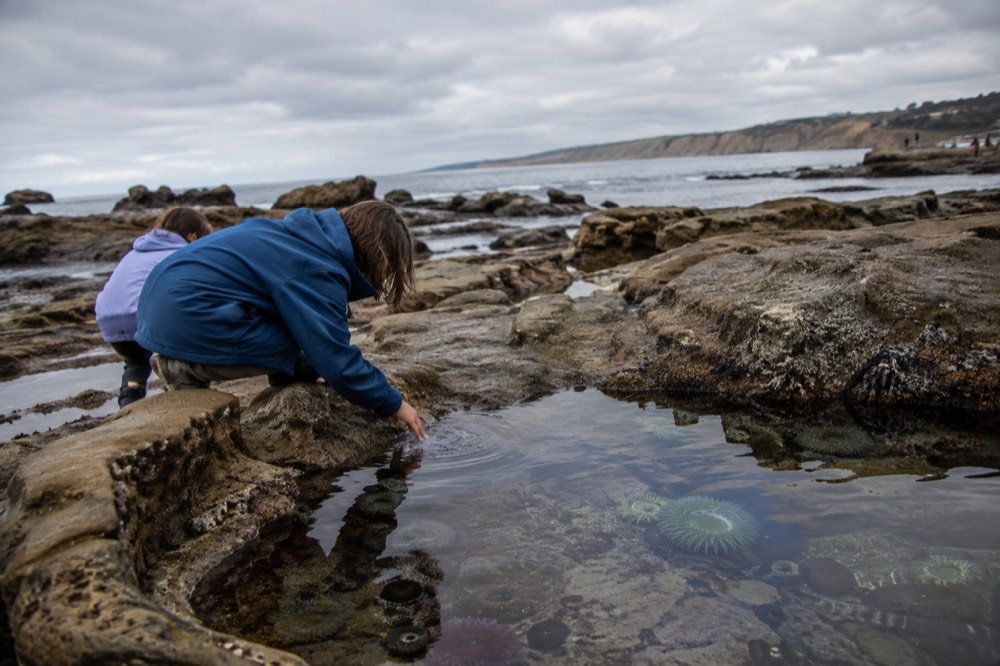
A healthy San Diego tide pool at a good low tide shows sea anemones, hermit crabs, chitons, mussels, barnacles, small fish trapped in the deeper pools, and, if you are patient and lucky, a small octopus or a sea star. The animals are camouflaged and still, so the difference between seeing three things and seeing thirty is standing quietly and looking at one pool for several minutes instead of walking the whole reef in ten.
The classic beginner error is pace. Tide pooling rewards stillness. Anemones that look like dull brown blobs close up when a shadow passes over them and reopen within a minute or two of quiet. Hermit crabs freeze when approached and resume their slow scavenge when the coast is clear. The visitors who see the most are usually the ones crouched over a single pool long enough for the pool to forget they are there.
The octopus is the trophy sighting. Small two-spot octopuses live in San Diego's rocky intertidal zone, and they are masters of matching the rock. Watch for a slight texture change, an eye that does not quite look like a stone, or a slow ripple of an arm against the current. If you find one, do not crowd it or try to make it move; they are the most sensitive animals on the reef.
There is also a seasonal layer to the coast here that has nothing to do with the pools but everything to do with why you should look up occasionally. More than 20,000 gray whales pass San Diego each year, most of them in late December, January and February, with mid-January the peak of the migration. The National Park Service's own whale watching page notes that they are visible from the Kelp Forest Overlook and the Old Point Loma Lighthouse, both a short walk above the Cabrillo tidepool area. A winter low tide can double as a whale watch if the sea is calm.
Two safety notes from the city's lifeguard division apply to any rocky coast here. Rip currents are the primary hazard on San Diego beaches, and the official advice is to stay calm, swim parallel to the shore until the pull relaxes, then angle in, as the lifeguard safety page sets out. On the reef itself the risk is different: wet rock, barnacles and surge. Never turn your back on the ocean, and stay off anything that is being washed by waves at all.
La Jolla: Tide Pools with Seals, Snorkelers and a Swim
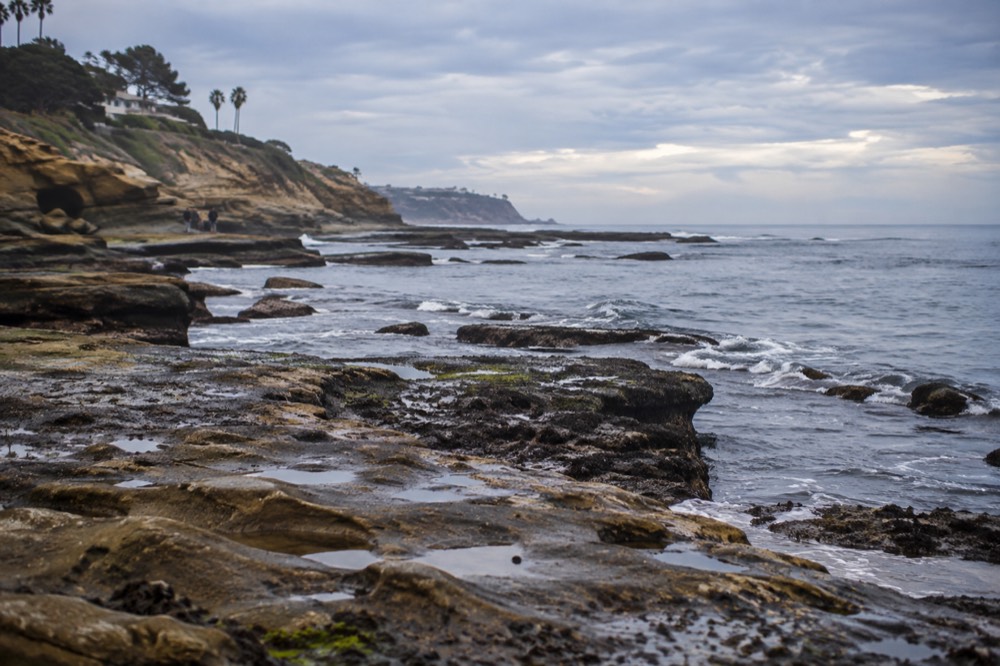
La Jolla offers the city's most flexible tide pooling because the rocky coast runs for over a mile: pools sit around the points near La Jolla Cove, along the shelves toward La Jolla Shores, and around the rocky corners where the coves cut in. There is no fee and no gate, so evening lows that rule out Cabrillo are fine here, but the rocks are shared with harbor seals and sea lions and the rules for keeping distance from them are enforced.
The geometry is what makes La Jolla work. The shoreline is a series of points and coves rather than one long beach, and every point holds pools on its seaward side. On a low tide you can walk from the Cove area north along the exposed shelves and find pool after pool, each one a slightly different depth and population.
The complication is the marine mammals. Harbor seals haul out on the rocks and sea lions hold the beaches and cliff shelves around the Cove, and both are protected under federal law. Do not approach them, do not try to touch them, and give them a clear path to the water. The general rule of thumb used by the city and wildlife agencies is to stay well back from any resting animal, and if one reacts to you at all, you are too close.
Because the area is also the city's snorkeling capital, a low tide can anchor a full water day. The guided snorkeling tours of the Cove and its caves run about 1h 30m and put you in the water with the sea lions and the kelp forest, which is a different experience from standing above it. Our snorkeling in La Jolla guide covers how the two activities stack up, and the La Jolla sea caves guide explains the kayak side.
If you want the water itself rather than the pools beside it, the kayak tours of the sea caves run from the Shores side and pass over the very reef that the tide exposes. It is one of the few places in California where you can see the same stretch of coast from a pool on top and a boat beside it in the same afternoon; check availability if that combination appeals.
Sunset Cliffs and the Rest of Point Loma
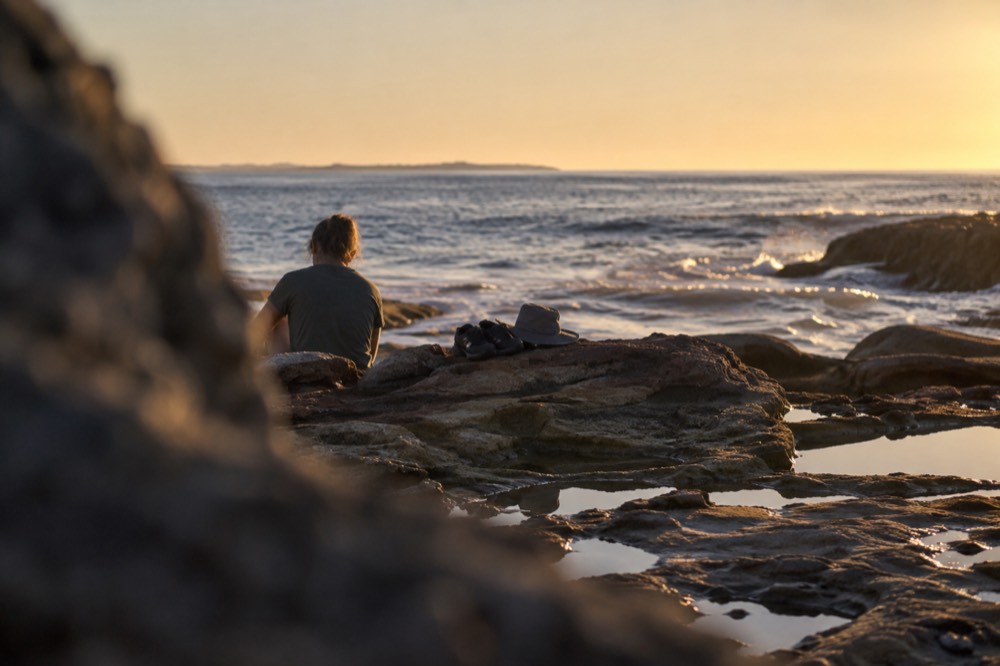
Sunset Cliffs Natural Park is the third good tide pool option and the most underrated one, with reef ledges below the cliff-top walk that hold pools at low tide and a fraction of La Jolla's crowds. The terrain is rougher and the paths down are steeper and unpaved, so it rewards steady walkers, and like La Jolla it is free and open at any hour, which makes it the natural choice for evening low tides.
The park runs along the ocean side of Point Loma south of Ocean Beach, and for most visitors it is a sunset-and-view stop: a cliff-top walk with the Pacific stacked to the horizon. But the ledges below the cliffs are genuine intertidal habitat, and at a low tide, especially a negative one, the exposed shelves hold anemones, crabs and the same cast you find at Cabrillo a few miles south. The full index of guides sits on Things to Do in San Diego.
Access is the honest caveat. The paths from the street parking down to the water are steep, sandy and not maintained as trails, and the rock below is uneven and can be surge-washed. Go on a calm sea, wear real shoes, and treat any ledge that waves are reaching as off-limits. Families with small children will find Cabrillo or La Jolla easier; photographers and couples will find Sunset Cliffs the better hour.
The rest of Point Loma is worth folding into the same drive. Our Point Loma guide covers the neighborhood, the Sunset Cliffs guide covers the park in full, and the Ocean Beach guide covers the laid-back beach town just north of it. Because a Cabrillo pass is good for seven days, a single Point Loma afternoon can easily pair a Cabrillo low tide with a Sunset Cliffs sunset on the way back.
Tide Pool Etiquette: The Rules That Keep the Pools Alive
The working rule for any San Diego tide pool is look, do not touch: never pick up animals, never pry anything off the rock, never collect shells or creatures, and walk on bare rock rather than through the pools themselves. The habitat survives because thousands of visitors each year follow those rules, and a single lifted sea star or overturned rock can kill animals that took years to settle there.
The etiquette is simple but worth spelling out, because tide pooling is one of those activities where one careless visitor does outsized damage:
- Step on bare rock, not on the pool. Every pool is somebody's home, and feet crush anemones and crabs that you never saw.
- Never pry mussels, chitons or sea stars off the rocks. They grip for a reason, and tearing one loose usually kills it.
- Touch nothing, take nothing. This is the law inside Cabrillo and good practice everywhere else.
- Do not move rocks to look underneath. The underside is the shelter for the animals most exposed to sun and birds, and a turned stone is a killed shelter.
- Keep dogs away from the pools. Even a well-behaved dog tramples and disturbs, and dogs are not allowed in Cabrillo's Coastal Area at all.
There is a water-quality layer too. The County of San Diego posts beach closures and advisory results at its beach water quality page, same day or next business day, and after rain the runoff from the canyons can affect the water near creek mouths. After a storm it is worth a ten-second check before you plan a reef walk, especially at spots near storm drains.
What Is the Best Time of Year for Tide Pooling in San Diego?
The best tide pooling months in San Diego are October through February, when the largest negative low tides cluster in daylight and the midday reef exposure is widest, and winter adds gray whales passing offshore as a bonus. Summer is the weakest season for tide pooling, not because the pools are worse but because the big lows fall at awkward hours and the marine layer greys the coast in the morning.
The counterintuitive part is that the "bad" months are the ones most visitors come in. Summer's tides still drop twice a day, but the extreme lows tend to fall before dawn or after dark, leaving only modest midday exposures. In fall and winter the pattern flips: the negative lows slide into the late morning and early afternoon, right when the parks are open and the light is good.
The weather argument for the shoulder seasons is real. San Diego's normal high in September is 77.2°F, actually warmer than July's 75.3°F, and the ocean off La Jolla averages 67.6°F that month, warmer than July too. The coast's famous morning marine layer, the local pattern known as May Gray and June Gloom, is visible in the temperature record itself: June's normal high of 71.7°F is lower than October's 74.6°F. Fall gives you summer conditions with winter tides, which is the sweet spot.
Rain is a winter phenomenon here and rarely disrupts a tide pool plan: December through March carry 7.3 of the year's roughly 10 inches, and August averages one hundredth of an inch with zero days of measurable rain. A winter trip risks a rained-out afternoon; a fall trip almost never does.
What Should You Bring, and What Should You Wear?
Bring closed-toe shoes you do not mind getting wet, water, sun protection and a printed or offline tide chart, and wear shorts or leggings you can roll up, because you will get your feet wet on the reef. Skip flip-flops entirely: bare rock and barnacles shred them and the footing they give is worse than bare feet. Binoculars are a surprise win, not for the pools but for the whales and birds above them.
The gear list is short, which is part of the appeal, but the shoes are non-negotiable. The reef is a pavement of living barnacles, sharp and wet, and the visitors who do best wear old sneakers, water shoes or lightweight hiking shoes with grip. Reef shoes with a stiff sole beat flexible beach shoes on the uneven shelves.
A few other things earn their place in the bag:
- A small towel and a change of shoes for the car, because you will step in a pool you swore was solid rock.
- Sunscreen and a hat. The reef reflects light upward and there is no shade on any of the three spots.
- A field guide or a free identification app, because half the fun is knowing a chiton from a limpet.
- Binoculars in winter, for the gray whales offshore from Cabrillo's bluffs.
Can You See Tide Pool Life Without Waiting for a Low Tide?
Yes: Birch Aquarium at Scripps sits on the bluff above La Jolla Shores and keeps indoor tide pool displays and local marine exhibits that show the same animals the reef holds, open 9:00 am to 5:00 pm, and it is the reliable fallback when the tide chart does not cooperate. It is also the better choice for visitors with limited mobility, since none of the natural reefs have accessible paths down to the water.
The honest situation with Birch is that its admission prices are not published in a form we can verify, so check the aquarium's own visit page for current rates rather than trusting a number from a search result. The hours are confirmed, and the location is excellent: the aquarium overlooks the very coast whose reefs you would otherwise be standing on, and its exhibits are built around Southern California marine life specifically.
For visitors who want the coast without the climbing, there is a middle path. Cabrillo's bluff-top areas, including the Old Point Loma Lighthouse and the Kelp Forest Overlook, are above the tidepool road and give a full view of the reef and the open ocean without setting foot on wet rock. On a good low tide you can watch the exposed reef and, in season, passing whales, entirely from the pavement.
And if the whole family is along, the indoor-and-rainy-day options in our indoor San Diego guide pair well with a tide pool plan B, while the Birch Aquarium guide covers the aquarium in full.
Getting to the Tide Pools Without a Car
Cabrillo and Sunset Cliffs have no Trolley or direct bus route worth recommending, so a car, a rideshare or a guided tour is the practical way to reach Point Loma, while La Jolla's reef is reachable by transit with a bus connection from a Blue Line station. Downtown visitors who want the coast without driving will find the hop-on hop-off trolley plus a short rideshare the simplest combination.
The transit map is the constraint. San Diego's Trolley is excellent for the border, downtown, Old Town and the UTC area, but Point Loma has no rail spur and the tidepool coast sits at the far tip of it, a 20-plus minute drive from downtown even with light traffic. La Jolla is better served, with bus routes connecting from the Blue Line's northern stations, but you should still budget the last walk from the stop to the rocks.
If you are staying downtown and want to see the coast and the city in one visit, the two-day narrated trolley is the flexible backbone: it loops the harbor, Balboa Park and the major stops, and you can hop off at the downtown end of Point Loma and take a short rideshare to Cabrillo or Sunset Cliffs. Check availability on the operator's listing; free cancellation makes it easy to hold while you watch the tide chart.
For drivers, the practical notes are short. Cabrillo's entrance station is at the end of the peninsula road, and parking at the tidepool area itself is a small lot that fills on good low-tide weekends, so arrive before the peak. Sunset Cliffs is street parking along the cliff-top road. At La Jolla, parking is the known headache of the whole neighborhood: free street parking that is very hard to find in summer and easiest before mid-morning. Our parking in San Diego guide covers the citywide picture, and the honest line on beach and La Jolla rates is that no published rate table exists, so read the posted signs where you park.
One thing worth repeating for anyone connecting transit to the coast: the MTS fare is $2.50 one-way with two-hour transfers, or a $6.00 day pass, and the PRONTO system caps automatically as you ride, so there is no reason to buy a day pass up front. The MTS fare chart is the source for both figures.
Planning a Tide Pool Day Around the Rest of San Diego
The easiest way to build a tide pool day is to anchor the morning to the low tide and hang everything else off it: pair Cabrillo with the rest of Point Loma, pair La Jolla pools with the Cove and a snorkel or kayak, or pair Sunset Cliffs with Ocean Beach and the sunset. Because the tide shifts about 50 minutes later daily, a two- or three-day visit lets you pick the day with the best low rather than forcing the reef into your schedule.
A sample structure for a first visit, assuming a mid-morning low tide:
- Morning: the reef at its widest, at whichever of the three spots suits your group.
- Midday: the bluff-top sights above your spot, the lighthouse at Cabrillo, the village at La Jolla, the pier and tacos at Ocean Beach.
- Afternoon: a city stop that does not depend on the tide, the USS Midway on the Embarcadero, or Balboa Park's free gardens.
- Evening: back to the coast, because a San Diego sunset over the Pacific is the reliable end to any day here.
If you are building a longer stay, our one day in San Diego and San Diego 3-day itinerary pages slot a coast morning into fuller plans, and the San Diego bucket list is the place to see how the reef ranks against the Zoo and the harbor.
That is the whole shape of it. The tide pools are one of the few San Diego experiences that costs nothing, needs no booking and rewards patience over money, and the only real skill involved is reading a chart the night before. Pick your low tide, pick your rock, and stand still long enough for the pool to start ignoring you.
Common Questions About San Diego Tide Pools
Where are the best tide pools in San Diego?
The best managed tide pools are inside Cabrillo National Monument on Point Loma, where the Coastal Area is patrolled and the reef is broad. La Jolla's rocky points around the Cove and Shores hold excellent free pools, and Sunset Cliffs is the quietest option with rougher access.
What time of day is best for tide pooling?
Whenever the tide chart shows a low, ideally a negative low. Arrive about an hour before the printed low tide time, when the widest band of reef is exposed, and expect the pools to start flooding back within a couple of hours.
Do you have to pay to see the tide pools at Cabrillo?
Yes. Cabrillo National Monument charges $20 per private vehicle, $15 per motorcycle or $10 per person on foot or bicycle, and the pass is valid for seven days from purchase. La Jolla and Sunset Cliffs are free.
Can you touch the animals in San Diego tide pools?
No. The rule at every spot is look but do not touch: do not pick up animals, pry anything off the rocks, or collect shells and creatures. Inside Cabrillo this is the law, and everywhere else it is what keeps the habitat alive.
What should you wear to go tide pooling?
Closed-toe shoes with grip that can get wet, such as old sneakers or reef shoes, plus shorts or rollable leggings, a hat and sunscreen. Skip flip-flops: the reef is sharp, wet barnacled rock and flip-flops give worse footing than bare feet.
Are San Diego tide pools good for kids?
Very, especially at Cabrillo, where the reef slopes gently, rangers and docents are often present, and the paved road puts you close to the water. Hold young children's hands on the wet rock and keep them out of the pools themselves so they step only on bare rock.