Maritime Museum of San Diego: Tickets, Ships, and How to Plan Your Visit
The Maritime Museum of San Diego lines the downtown waterfront with a fleet of historic vessels you can walk aboard, and it sits close enough to the USS Midway that the two make one long harbor day.
Short answer
The Maritime Museum of San Diego charges $28 for adult walk-up admission, $30.36 online, with youth 6-17 at $15 to $16.34, seniors and military at $20 to $21.69, and ages 5 and under free. Plan on two to three hours aboard the vessels, and pair it with the USS Midway two blocks south.
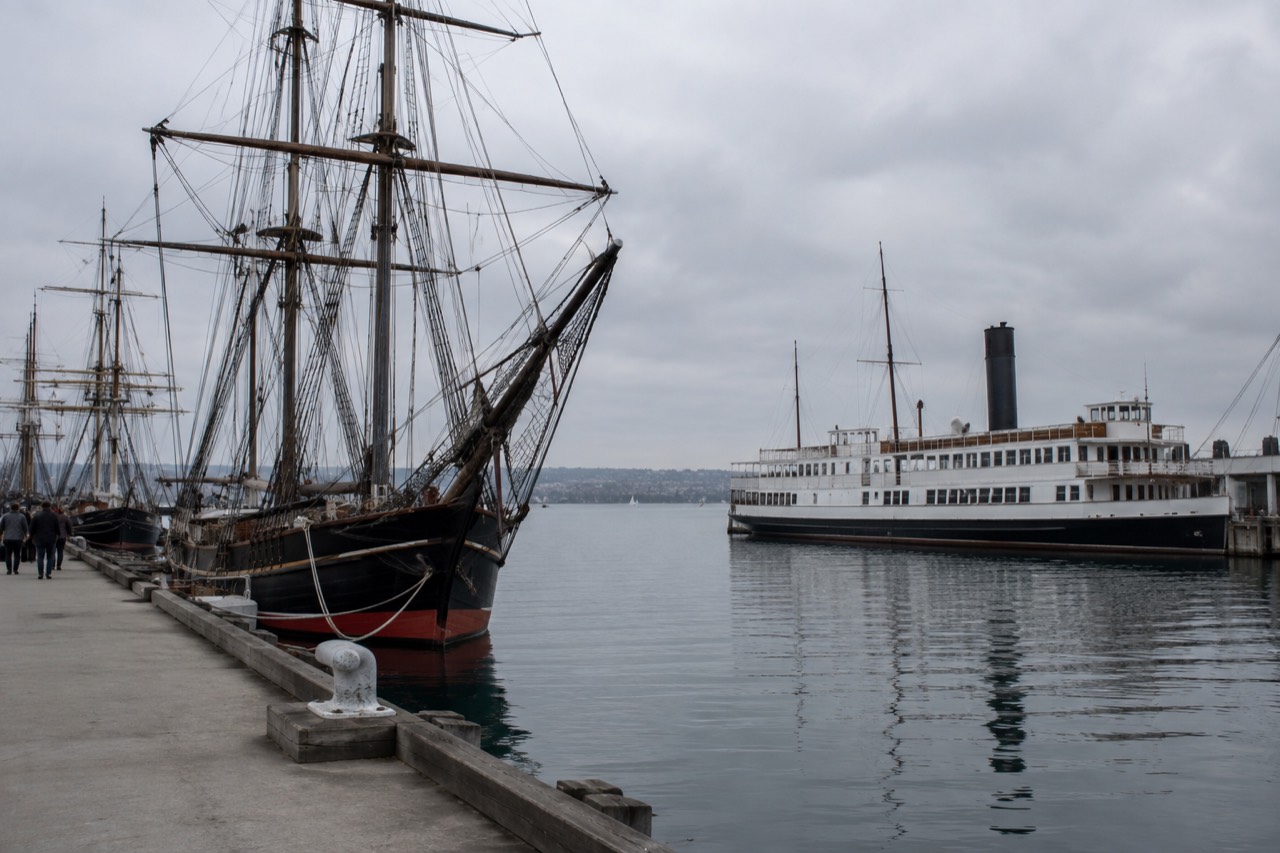
The Embarcadero is where San Diego keeps its working waterfront, and the Maritime Museum of San Diego is the stretch of it you can climb aboard. A row of historic vessels sits moored along North Harbor Drive, tied up within sight of the cruise ship terminal, and general admission lets you walk the decks, drop below to the engine spaces, and read the exhibits the museum has fitted inside hulls that once actually sailed. The museum publishes its full admission detail on its own ticketing page, and the numbers below come straight from it.
What surprises many first-time visitors is the scale of the setting rather than the ships themselves. You are not in a building looking at models. You are on the downtown waterfront, with the USS Midway Museum visible down the same sidewalk, Seaport Village a few minutes south, and the Little Italy restaurant row a short walk inland. That clustering is the real planning story of this page: the museum is a two-to-three-hour attraction inside a harbor district that can fill a whole day.
What Is the Maritime Museum of San Diego?
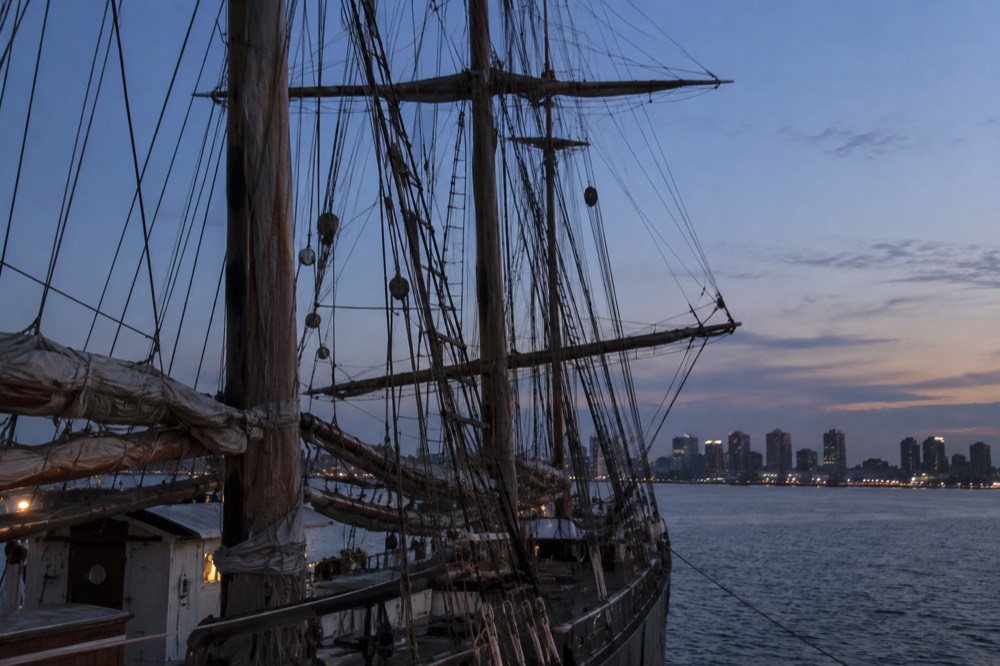
The Maritime Museum of San Diego is a walk-aboard collection of historic vessels moored along the downtown Embarcadero, where a single general-admission ticket covers the entire fleet for the day. Adult admission runs $28 at the walk-up counter and $30.36 bought online, with youth 6-17 at $15 walk-up or $16.34 online, seniors 62+ and military at $20 or $21.69, and children 5 and under free. The museum is not a single building with models behind glass: the vessels themselves are the galleries, and you move between them along the quay, boarding each hull in turn.
The museum's own visit page describes the experience as a [self-guided walk](https://wegotrip.tpk.ro/OhsjTTwX) across a fleet that spans sailing ships, steam power, and submarines, with volunteer docents aboard many days. Because the vessels are genuine working hulls rather than replicas built for display, the below-deck spaces are often low, narrow, and steeply stair-laddered, which is worth knowing before you arrive with a stroller or with anyone in your group who struggles with tight companionways. Wear flat shoes, and expect to duck.
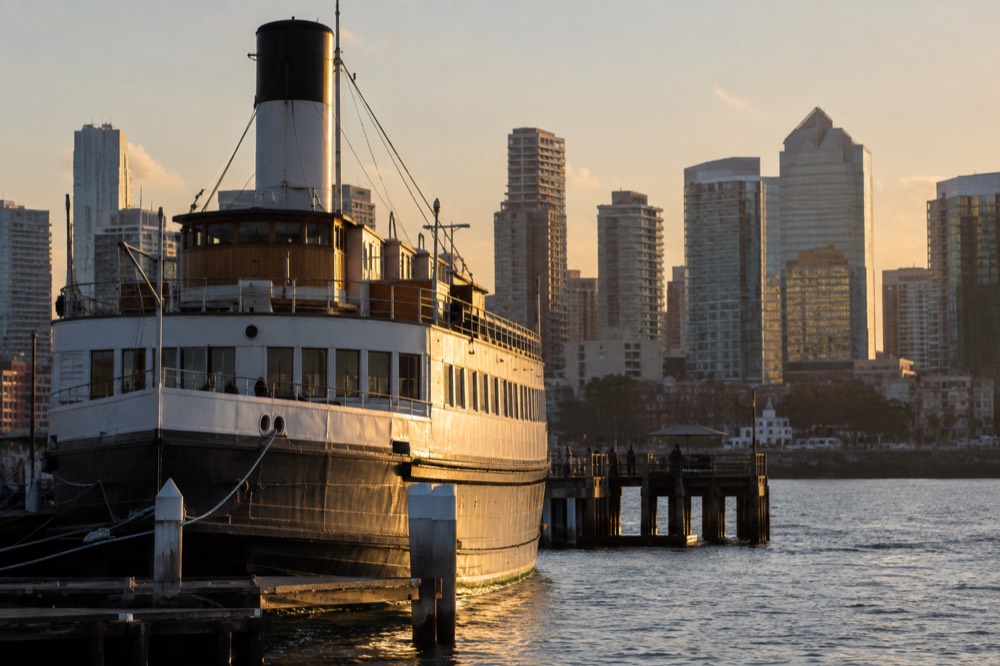
One genuinely useful detail from the museum's own site: the gift shop aboard the Berkeley, the historic steam ferry that serves as the museum's front door, is open daily from 10:00 am to 4:00 pm and needs no museum admission at all. If you are simply walking the Embarcadero and want a look inside a historic steam ferry without paying for the full fleet, the shop is a legitimate free taster, and the museum confirms this on its visitor information page.
How Much Are Maritime Museum of San Diego Tickets?
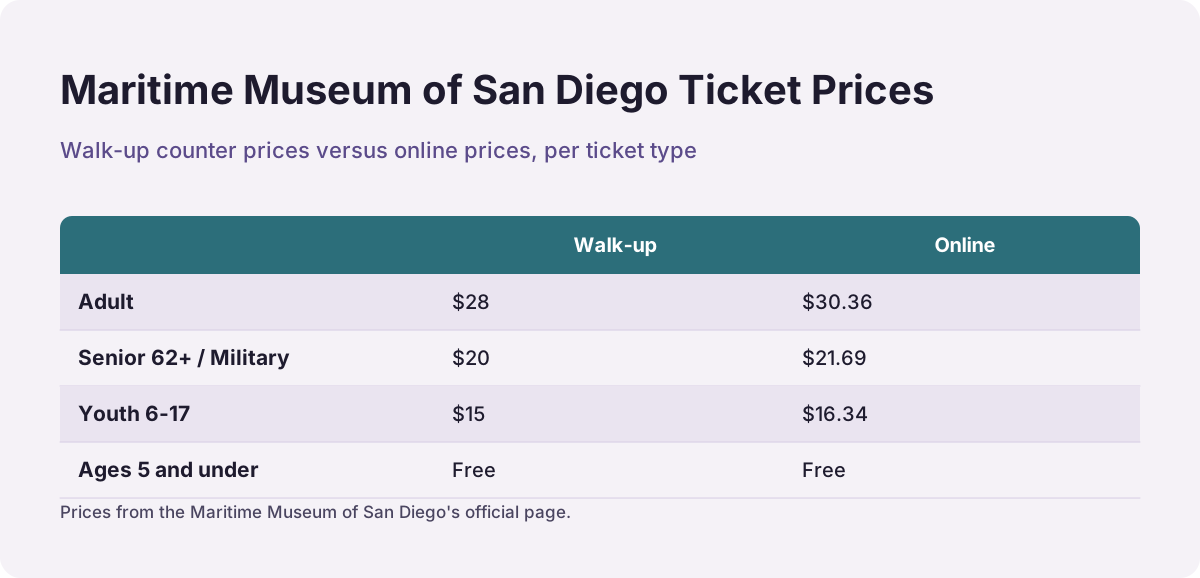
An adult pays $28 at the counter or $30.36 online, youth 6-17 pay $15 or $16.34, seniors 62+ and military pay $20 or $21.69, and children 5 and under enter free, with every ticket covering the entire fleet for the day. The online price sits above the walk-up price, which is unusual enough that the museum's own page is the place to confirm it before you prepay, and there is no timed-entry system to work around. You can arrive, pay, and board.
| Ticket | Walk-up price | Online price |
|---|---|---|
| Adult | $28 | $30.36 |
| Senior 62+ / Military | $20 | $21.69 |
| Youth 6-17 | $15 | $16.34 |
| Ages 5 and under | Free | Free |
Read that table carefully before you buy ahead, because it inverts the pattern most travelers expect. At nearly every attraction in this city, from the Zoo to the Midway, buying online is the cheaper route. Here the online price carries a markup, presumably a booking fee rolled into the total, so a party of adults paying at the counter keeps real money in pocket compared with prepaying. If you value the certainty of a prebooked ticket more than the difference, buy online; if you would rather keep the cash, walk up.
The free-under-5 line also deserves a beat. Many San Diego attractions set the child cutoff at age 3, so families with a four- or five-year-old get a small break here that they will not get elsewhere on the waterfront. For a family with two adults and two kids aged 6 and 4, the walk-up total is two adult tickets plus one youth ticket, which compares well against almost anything else on the Embarcadero.
If you are building a multi-attraction trip rather than a single museum stop, the San Diego CityPASS is worth a look, because the Maritime Museum is one of the chooseable attractions in its packages alongside the Zoo, the Safari Park, the Midway, and several harbor experiences. The pass math only works if you would visit three or four of those anyway, and our San Diego trip cost guide walks through when bundled tickets actually save money.
What Will You Actually See Aboard the Ships?
You will see a fleet of genuine historic vessels, including the Berkeley, a historic steam ferry that serves as the museum's entry point, plus tall ships, original steam engineering below deck, and a submarine you can descend into, all under one admission. The vessels are the exhibits, and the museum fits them out with interpretation inside the hulls rather than behind glass. Two to three hours is a realistic visit for most people, longer if you read everything.
The Berkeley is the easiest to describe because the research pack confirms it directly: a historic steam ferry, now moored permanently, housing the gift shop that needs no admission. Beyond her, the fleet spans several eras of maritime history, and rather than list hulls this page cannot verify, the honest framing is this: you are walking through sailing ships with real masts and rigging you can stand under, engine rooms with original machinery, and at least one submarine with the claustrophobia intact. Docents aboard many of the vessels answer questions, and reviewers on the live listings repeatedly mention the below-deck spaces as the memorable part.
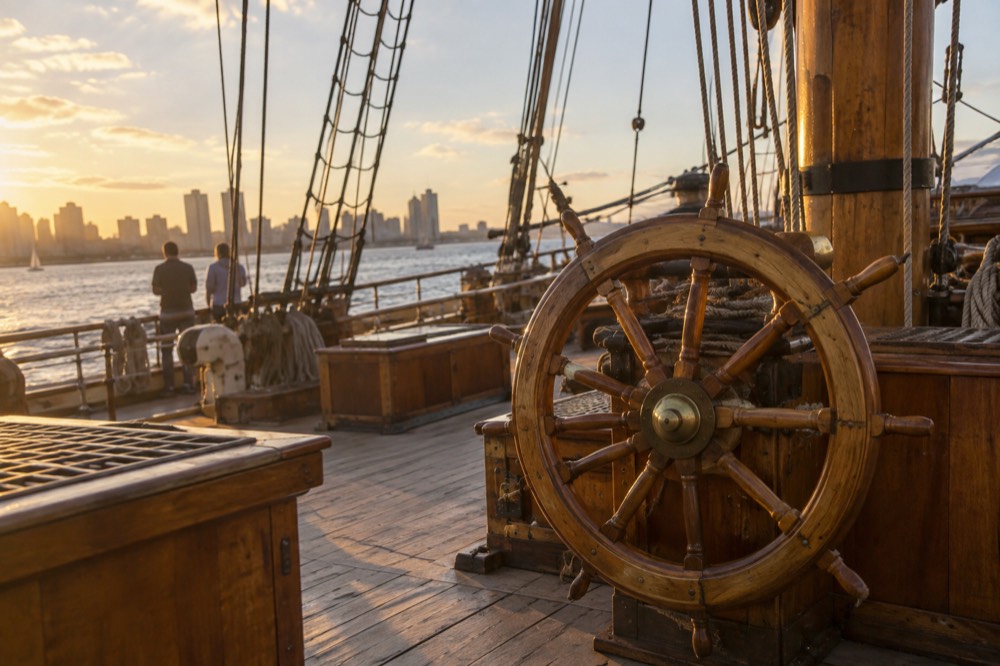
Practical constraints shape the visit more than at a conventional museum. Companionways are steep, headroom is limited, and the museum is an outdoor-then-indoor experience: you walk the quay between hulls in whatever the weather is doing. The marine layer that locals call May Gray and June Gloom can grey the waterfront while inland stays clear, and the 30-year climate normals back this up, with June's normal high of 71.7F actually lower than October's 74.6F. A grey morning on the Embarcadero is normal, not a ruined day, and it often burns off by afternoon.
Accessibility is the one honest caveat. Historic vessels were not built to modern standards, and full wheelchair access across a floating fleet is physically impossible. The Berkeley, as the dockside entry point, is the most accessible part of the complex, and travelers with mobility limits should treat the museum as a partial experience rather than a full one. Our accessible San Diego guide covers waterfront options that work better for wheelchairs.
Is the Maritime Museum Worth It Compared with the USS Midway?
For most visitors the two are not competitors but halves of one harbor day: the Midway is the bigger, longer, more famous attraction, while the Maritime Museum is smaller, cheaper, and denser with genuine maritime history, and a combined day runs roughly five to six hours. The Midway charges $39 online for adults against the Maritime Museum's $28 walk-up, and the Midway's scale, an entire aircraft carrier with dozens of aircraft on the flight deck, simply takes longer to walk. Doing both in one day is entirely feasible with a lunch break between.
The comparison matters because they sit on the same stretch of North Harbor Drive, close enough that you can see one from the other. Travelers who only have time for one should weigh what they want: the Midway delivers scale, flight-deck views, and a self-guided audio tour across a floating city, while the Maritime Museum delivers variety, multiple eras of ships, and the submarine descent that the Midway cannot offer. Families with younger kids often find the Maritime Museum's smaller footprint easier to manage, while teenagers gravitate to the carrier.
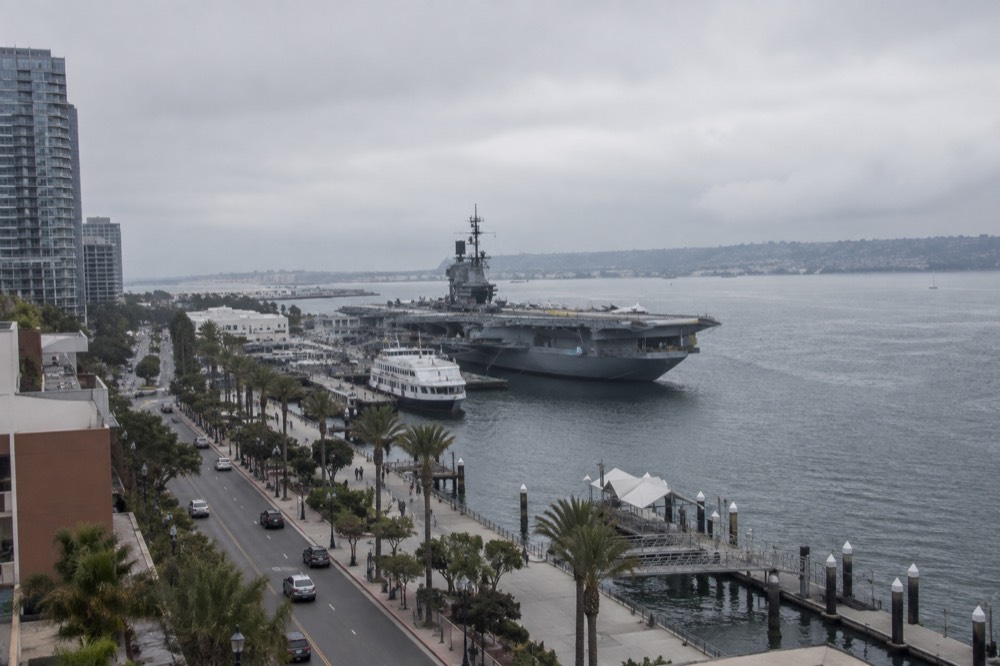
The Midway's own pricing is worth restating from the official page, because it is the opposite pattern to the Maritime Museum's: adults pay $39 online versus $41 at the door, youth 4-12 pay $29 versus $31, veterans with ID pay $26, and active duty military plus children 3 and under enter free. So the smart harbor-day play is to prebook the Midway online, where you save, and pay the Maritime Museum at the counter, where walking up saves. Every adult in your party comes out ahead on both sides of that trade, and the gap grows with family size.
| Maritime Museum | USS Midway Museum | |
|---|---|---|
| Adult price | $28 walk-up / $30.36 online | $39 online / $41 at the door |
| Cheapest buying route | Walk up | Online |
| Typical visit length | 2 to 3 hours | 3 to 4 hours |
| What it is | Fleet of historic vessels you board | Full aircraft carrier with flight deck |
| Best for | Ship variety, submarine, tighter budget | Scale, aircraft, harbor views from deck |
If the carrier is the priority for your group, the entry ticket can be checked ahead so the day's biggest attraction is locked in before you leave the hotel.
Between the two museums, the Embarcadero itself does a lot of quiet work. The sidewalk along the bay is flat, scenic, and free, with the cruise ship terminal, public art, and harbor views making the fifteen-minute walk between attractions feel like part of the visit rather than a transit leg. On a cruise day the terminal adds spectacle, and the Port of San Diego's published 2026-27 schedule carries 177 ship calls, so the odds of seeing a liner are better than most visitors expect.
How Do You Fit the Museum Into an Embarcadero Day?
The classic sequence is the Maritime Museum in the morning, lunch at Seaport Village or on the Little Italy edge, and the USS Midway in the afternoon, with a harbor cruise slotting in wherever the light is best, and the whole thing is walkable without a car. The museum opens its gift shop at 10:00 am, and mornings are the quiet window on the Embarcadero generally, before the Midway crowds peak and before afternoon wind roughs the bay. Start at the north end and work south.
The walk south from the museum passes the Midway and continues to Seaport Village, the bayfront shopping and eating cluster that functions as the district's default lunch stop. From there, downtown San Diego and the Gaslamp are an easy extension for the evening, and the whole chain, museum to Midway to Seaport Village, covers maybe a mile and a half of flat waterfront. Comfortable shoes matter more than transit planning here.
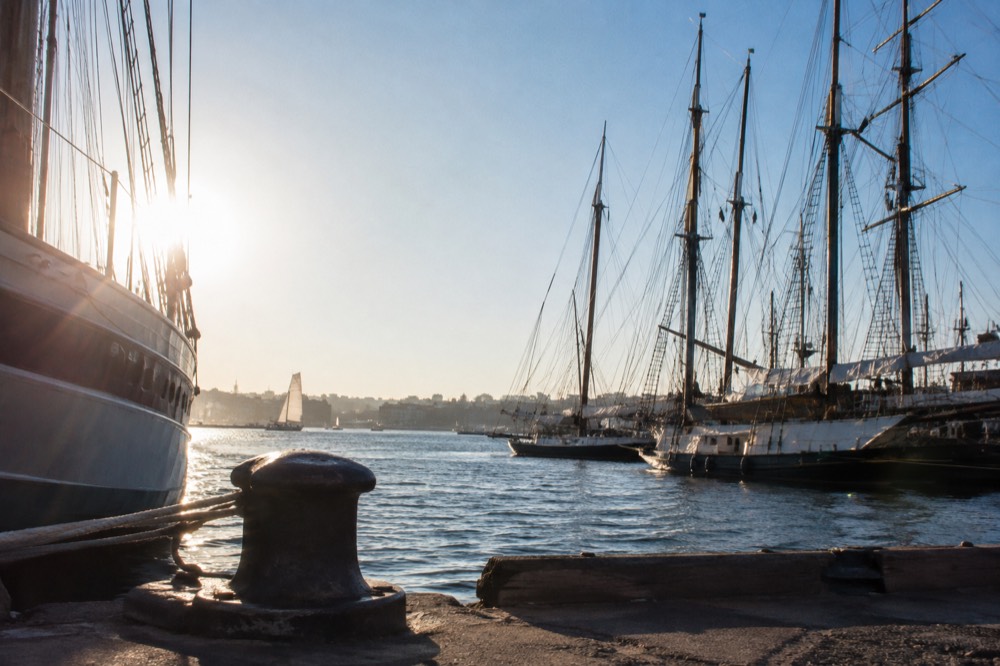
The one upgrade that changes the day's shape is getting on the water. A one-hour harbor cruise runs from the same waterfront, and it reframes everything you just walked through: you see the museum's masts from the bay, the Midway's full length from the water, and the Navy base across the channel. It is the single most efficient way to understand why San Diego's downtown looks the way it does, and it pairs naturally with a museum day because the docks sit minutes apart.
For travelers who want the waterfront story told rather than self-guided, there is also a free walking option: the pay-what-you-want historic downtown and waterfront walk listed on GuruWalk covers the Embarcadero's history with a local guide, and it costs nothing up front. It is a different animal from the museum, outdoor narrative instead of aboard-ship exploration, but the two overlap nicely on a first visit.
How Do You Get to the Maritime Museum, and Where Do You Park?
The museum sits on North Harbor Drive along the downtown Embarcadero, reachable on the MTS system for $2.50 one-way or $6.00 for a day pass, with downtown street meters at $2.50 per hour if you drive, and the honest answer on summer parking is to arrive early or use a lot. There is no Trolley station on the waterfront itself, so the final leg is a walk of a few blocks from downtown stations, or a short hop on a bus along Harbor Drive.
The fare math favors PRONTO, the region's tap-and-go fare system. You load money and pay as you ride, and the system caps you at the day-pass value automatically once your rides reach it, so there is no reason to buy a $6.00 day pass up front; the cap does the work for you. One caution: contactless bank cards are accepted but do not cap, so use the PRONTO card or app if you will ride more than twice. Youth 18 and under ride free on the region's Youth Opportunity Pass.
| Option | Cost | Notes |
|---|---|---|
| MTS bus or Trolley, one-way | $2.50 | Includes 2-hour transfers; reduced fare $1.25 |
| MTS day pass (via PRONTO cap) | $6.00 | Earned automatically once rides reach it |
| Downtown street meters | $2.50 per hour | Enforcement generally Monday to Saturday, 8:00 am to 6:00 pm, later in some zones |
| Rideshare from the airport | Varies by demand | No Trolley station at SAN; Route 992 bus runs every 15 minutes for $2.50 |
If you drive, the honest picture is that Embarcadero-adjacent parking is a mix of street meters and paid lots, and no published beach or waterfront rate table exists for us to quote you a number from. Downtown meters run $2.50 per hour with enforcement generally Monday through Saturday, and Sunday is no longer free everywhere downtown since the city extended enforcement into commercial areas. Posted signs at the lot always win over any guide, including this one, and our parking in San Diego guide goes deeper on the neighborhoods.
From the airport, there is no Trolley connection, but MTS Route 992 runs from both terminals to the downtown transit interchange every 15 minutes for $2.50, and the free San Diego Flyer shuttle runs to Old Town Transit Center. Either way you are one short Trolley ride from the downtown core and a walk from the water. The getting around San Diego guide maps the whole system if the Embarcadero is one stop on a bigger itinerary.
Can You Save Money on the Maritime Museum and the Waterfront?
Yes, in three ways: pay at the counter instead of online and keep the difference on every ticket, fold the museum into a CityPASS if you are visiting three or more of its partner attractions anyway, and lean on the genuinely free waterfront around it, from the Berkeley's gift shop to the Embarcadero walk itself. The museum is one of the most affordable substantial attractions downtown, and the savings angles stack rather than compete.
The CityPASS is the one bundling play that includes the Maritime Museum, as one of the choices alongside the Zoo or Safari Park, the Midway, the harbor cruises, Birch Aquarium, the Old Town Trolley, and the Maritime Museum itself, valid across nine consecutive days. The pass only pays if your itinerary genuinely hits the big attractions, and the SeaWorld-plus-choices package at $169 adult is the wrong buy for a waterfront-only trip. But for a family doing the Zoo, the Midway, and a harbor cruise, adding the Maritime Museum as a choice costs nothing extra, which is the cheapest way aboard the fleet.
The free layer around the museum is real and worth planning around. The Embarcadero walk, the cruise ship terminal spectacle, the public art along the bay, and the Berkeley's no-admission gift shop are all free, and the museum's gift shop being open to the public means you can duck in out of the sun or the marine layer without a ticket. Our free things to do in San Diego guide builds whole days from this tier, and the waterfront carries a lot of it.
One comparison worth making before you commit a day: the Cabrillo National Monument on Point Loma tells a different chapter of the same maritime story, the age of exploration rather than the age of steam, for a $20 per-vehicle entrance fee valid seven days. If your interest is ships and engineering, stay on the Embarcadero. If your interest is San Diego's harbor history and the view from the peninsula, Cabrillo is the companion piece.
When Is the Best Time to Visit the Maritime Museum?
Weekday mornings are the quiet window, September is the best month overall, with a normal high of 77.2F and some of the warmest ocean water of the year, and any grey marine-layer morning is normal on the coast rather than a sign of a bad day. The Embarcadero is an outdoor attraction chain, so weather and crowd timing matter more here than at an indoor museum, and the climate data gives clear guidance.
The counterintuitive fact about San Diego's weather is that September, not July or August, is the real summer: September's normal high of 77.2F beats July's by nearly two degrees, and the ocean at La Jolla averages 67.6F in September against 66.5F in July. Yet September is also the single lowest-visitation month at Cabrillo National Monument in recent years, a gap of nearly half against July. Apply that to the Embarcadero and the advice writes itself: the best-weather month is also an uncrowded one, and the Midway's ticket lines and the museum's companionways are all more pleasant for it.
| Time | What to expect |
|---|---|
| Weekday morning | Quietest decks, best light, marine layer may linger until midday |
| Weekend midday | Busiest, especially on the Midway side of the Embarcadero |
| September | Warmest normals of the year, lowest coastal visitation, best overall window |
| May and June | Marine layer mornings, normal high only 69.5F to 71.7F, often clears by afternoon |
| Winter weekdays | Mild at 66F normal highs, occasional rain days, thin crowds |
The marine layer deserves a plain explanation because it drives so many disappointed mornings. The 30-year normals show June's average high, 71.7F, sitting below October's 74.6F, which is the statistical fingerprint of the grey coastal mornings locals call May Gray and June Gloom. The pattern burns off on most days, and the museum's below-deck spaces are actually a reasonable place to wait it out. Our San Diego weather and best time to visit guide goes month by month if your dates are flexible.
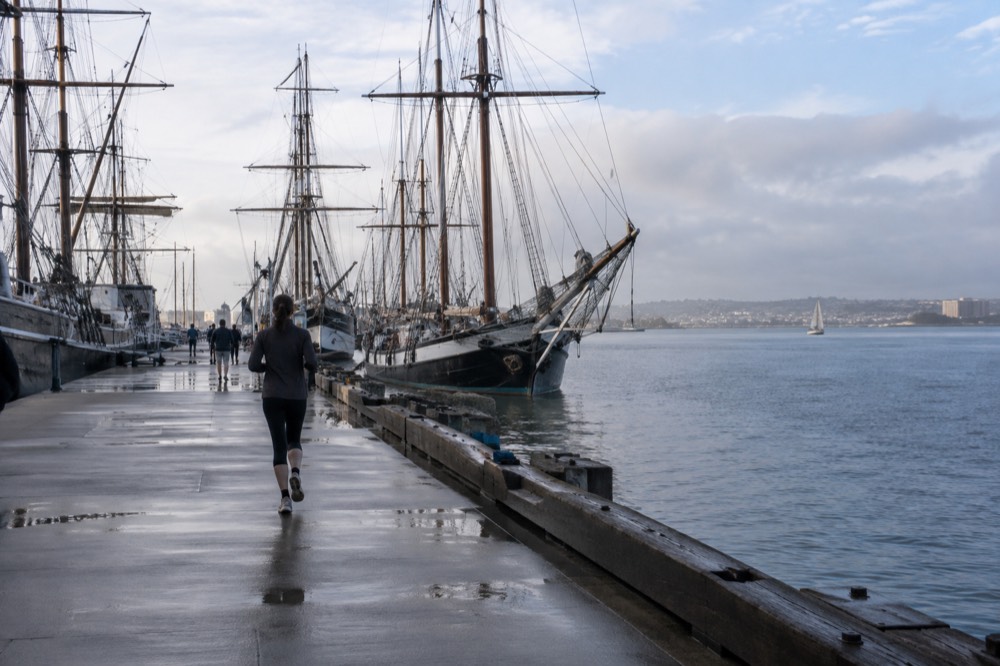
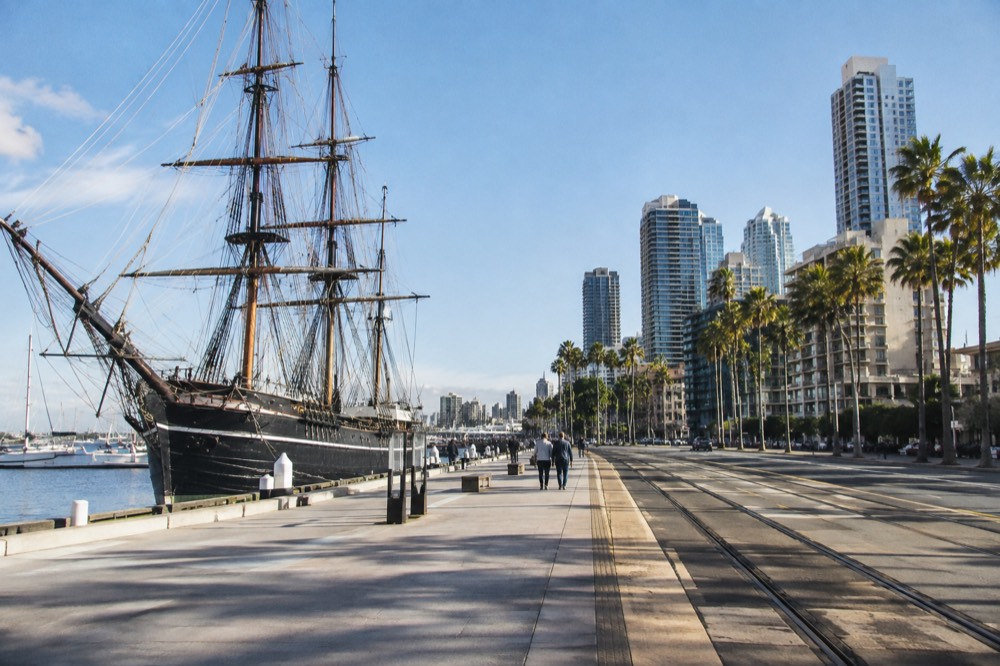
For photographers, the light logic is the reverse of the crowd logic: the museum's masts and rigging photograph beautifully in the soft grey of a marine-layer morning and harshly at midday, while the sunset side of the Embarcadero, looking across the bay toward Coronado, is the evening show. Our San Diego sunset spots guide places the Embarcadero in the wider rotation.
What Should You Know Before You Go?
Bring flat shoes, expect steep ladders and low headroom below deck, budget two to three hours, pay at the counter rather than online, and treat the museum as the northern anchor of a walkable waterfront day rather than a standalone stop. The vessels are historic hulls, not purpose-built galleries, and the visit rewards people who come prepared for that. Docents aboard many of the ships are the best resource on the quay, and asking questions is the difference between a walk-through and a real visit.
Families should note the under-5-free cutoff, which is more generous than most San Diego attractions, and the stroller problem below decks: bring a carrier or be ready to leave the stroller topside. The gift shop aboard the Berkeley is the one fully accessible, no-ticket space, and it doubles as a rain-or-shine fallback. If your day turns wet, the indoor and rainy day San Diego guide has alternatives, though the honest answer is that the museum's below-deck spaces handle a grey day reasonably well.
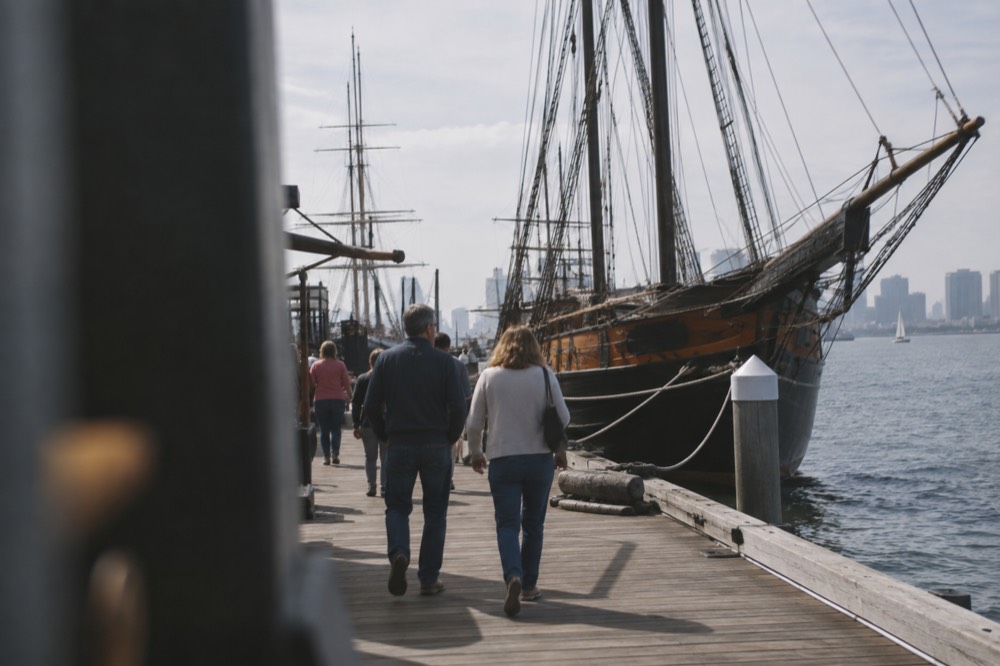
The last planning decision is scope. A traveler with one afternoon should pick the Midway and skip the fleet, because the carrier is the city-defining attraction. A traveler with a full waterfront day, or a family, or a genuine interest in ships, gets more variety per dollar from the Maritime Museum, and the two together, plus the free Embarcadero between them, are one of the best-value days in downtown San Diego. That is the framing Things to Do in San Diego recommends for the waterfront, and the museum is the piece of it most visitors under-plan.
Common Questions About the Maritime Museum of San Diego
How much are Maritime Museum of San Diego tickets?
Adults pay $28 at the walk-up counter or $30.36 online, seniors 62+ and military pay $20 or $21.69, youth 6-17 pay $15 or $16.34, and children 5 and under enter free. Every ticket covers the whole fleet for the day. The walk-up price is cheaper than the online price in every paid band, which is the reverse of most San Diego attractions.
Is the Maritime Museum of San Diego worth it?
For most visitors, yes, especially paired with the USS Midway two blocks south. The Maritime Museum offers more variety per dollar, multiple eras of genuine historic vessels including a submarine, and a smaller footprint that suits families, while the Midway offers unmatched scale. Two to three hours aboard the fleet is a realistic visit, and the combined harbor day is one of downtown's best values.
How long does a visit to the Maritime Museum take?
Plan on two to three hours for a full walk of the fleet, longer if you read every exhibit or talk with the docents aboard. Visitors who move quickly can see the highlights in about ninety minutes. Budget more time if you are pairing the museum with the USS Midway on the same day, since the carrier alone typically takes three to four hours.
Can you visit the Maritime Museum gift shop without a ticket?
Yes. The gift shop aboard the Berkeley, the historic steam ferry at the museum's entrance, is open daily from 10:00 am to 4:00 pm and requires no museum admission. It is a legitimate free way to step inside a historic ferry and get a feel for the museum before committing to a ticket.
Is the Maritime Museum of San Diego accessible?
Partially. Historic vessels were not built to modern accessibility standards, and below-deck spaces involve steep companionways and low headrooms. The Berkeley, as the dockside entry point and gift shop location, is the most accessible part of the complex. Travelers with mobility limits should treat the museum as a partial experience and check current access details with the museum directly before visiting.
What is the best time of day to visit the Maritime Museum?
Weekday mornings are the quiet window on the Embarcadero, before the USS Midway crowds peak across the sidewalk. September is the best month overall, with a normal high of 77.2F and the year's lowest coastal visitation. Marine-layer mornings in May and June are normal and usually clear by afternoon, and the museum's below-deck spaces are a reasonable place to wait out the grey.