San Diego Budget Trip: A Cheap 3-Day Itinerary That Skips Nothing
San Diego has a reputation for being expensive, and the hotel bills earn it. The attractions do not. This itinerary is built around what the city gives away: free beaches, a free park tram, a $6 transit day pass, and a handful of cheap tickets that beat the gate price when you buy ahead.
Short answer
A budget San Diego trip is very doable: a $6 MTS day pass covers the trolley and buses, Balboa Park's gardens and the Embarcadero are free, the Zoo runs $73 to $76 for adults, and the USS Midway Museum is $39 online versus $41 at the door. Three days of attractions, transit and cheap eats can come in well under a typical single day of theme-park spending.
San Diego quietly splits into two cities. One is the resort city of bayfront hotels and $30 resort parking. The other is the city locals actually use: a free park bigger than Central Park's core, beaches with no gate, a trolley that reaches the Mexican border for $2.50, and a museum ship that charges less than a theme-park lunch. This itinerary is for the second city. It assumes you care about seeing the real San Diego, not paying for the version with valet parking.
The single biggest decision you will make is not which attractions to pick. It is whether you rent a car. Skip it, and this whole plan works on a $6 transit day pass. Take it, and parking becomes your largest single expense after the hotel, because the Zoo alone now charges $16 per vehicle per day and Balboa Park's lots run $8 to $16 for non-residents while the paid system lasts.
What Does a San Diego Budget Trip Actually Cost per Day?
A realistic bare-bones day runs about $30 to $60 per person before your bed: $6 for unlimited transit, $12 to $20 for two cheap meals, and either $0 on a free day or one paid attraction. The expensive line is rarely the attractions themselves, it is parking, and a car-free plan removes it entirely. Couples who skip the rental car routinely cut a third off their total trip cost.
Attractions are the easy part to budget because the big ones publish their prices and several are cheaper online than at the gate. The San Diego Zoo charges $76 adult on Any Day and $73 on Value Days, bought online only, with children 3 to 11 at $66 and $63. The USS Midway Museum is $39 for adults online against $41 at the door, and youth 4 to 12 pay $29 online. Cabrillo National Monument charges $20 per private vehicle, valid for seven days, or $10 per person if you arrive on foot or by bike, which the trolley-and-bike crowd can exploit.
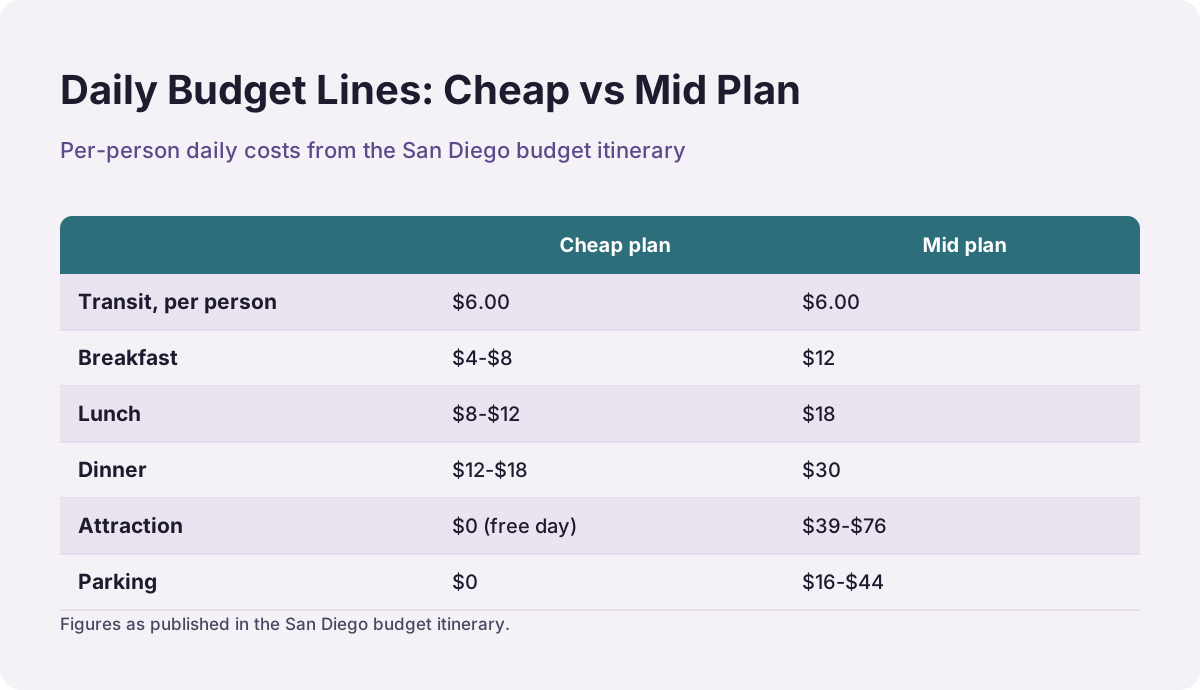
The number that surprises people is the transit line. The MTS fare chart sets a one-way ride at $2.50 with two-hour transfers, and a day pass at $6.00. Better still, the PRONTO fare system caps automatically: load pay-as-you-go money and once your rides total the day-pass value, the rest of the day is free. There is no reason to buy a day pass up front. Youth 18 and under ride free outright on the Youth Opportunity Pass, and up to two children aged 5 and under travel free with a paying adult.
| Budget line | Cheap plan | Mid plan | Notes |
|---|---|---|---|
| Transit, per person | $6.00 | $6.00 | MTS day pass, or PRONTO fare capping |
| Breakfast | $4-$8 | $12 | Taco shop or coffee and a pastry |
| Lunch | $8-$12 | $18 | Food hall or fish taco stand |
| Dinner | $12-$18 | $30 | Neighborhood spot, no waterfront view |
| Attraction | $0 (free day) | $39-$76 | One paid anchor per day at most |
| Parking | $0 | $16-$44 | Only if you keep the car |
Housing is the honest wildcard and this plan does not pretend otherwise. What you can control is location: staying anywhere on a Trolley line, Old Town, Little Italy's edges or Mission Valley, keeps the $6 day pass viable. Staying in a walk-only beach block in summer does not. Our San Diego trip cost guide breaks the full vacation math down line by line if you want the complete picture before you commit to dates.
How Do You Get Around San Diego Without a Car?
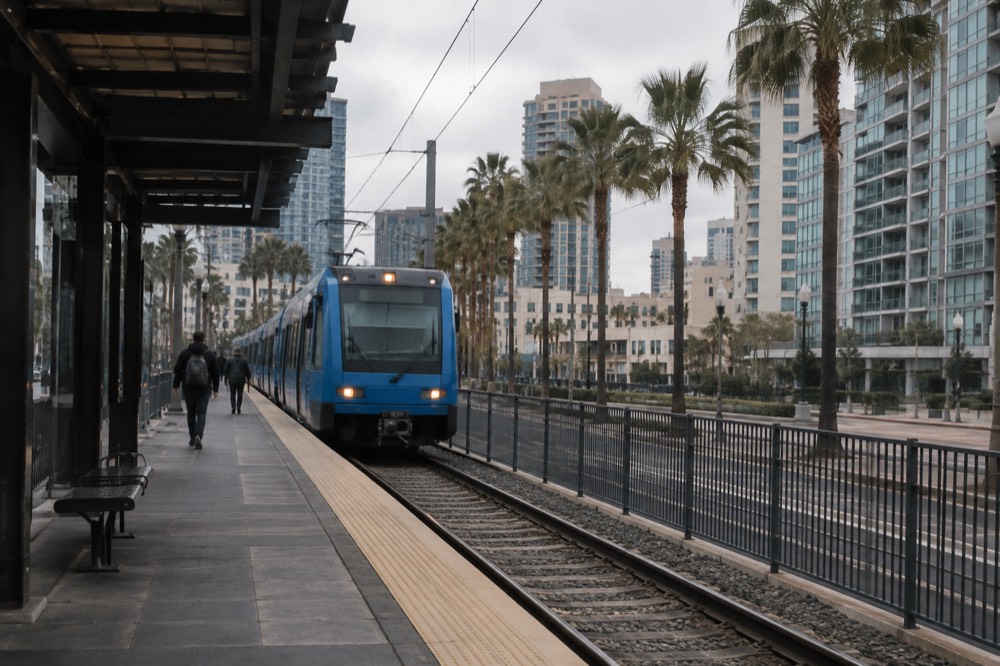
You use the trolley and bus network, and it genuinely covers this itinerary. The Blue Line runs from the border at San Ysidro through downtown to UC San Diego, MTS buses fill the gaps to the Zoo and the beaches, and a $6 day pass or PRONTO fare capping pays for all of it. The airport has no trolley station, but Route 992 runs downtown every 15 minutes for $2.50.
The practical trick is that the places budget travelers want are already on the rails or a short bus hop off them. Downtown, the Gaslamp Quarter, Old Town, Little Italy's edge and the Embarcadero are all walkable from trolley stops. The Zoo and Balboa Park sit a short MTS bus ride north of downtown, and Balboa Park runs a free internal tram from 8:00 am to 8:00 pm that shuttles you between lots and museums, so even the walk inside the park is optional. Our getting around San Diego guide maps every line against the attractions.
Two airport notes save real money. There is no trolley station at SAN, so ignore anyone who tells you to look for one. Instead, MTS Route 992 runs from both terminals to Broadway and Kettner, the trolley interchange, every 15 minutes from 4:30 am to 1:00 am at $2.50 one-way. The San Diego Flyer shuttle is free and runs to Old Town Transit Center roughly every 20 to 30 minutes, from about 4:45 am to 12:30 am, and Old Town is on both the Blue and Green lines. Between those two, the airport-to-hotel leg can cost nothing.
For one splurge that replaces the rental car entirely, the narrated hop-on hop-off trolley is the classic budget move: one ticket buys two days of looping transportation with commentary, and you can ride it between Old Town, the Embarcadero, the Gaslamp and Balboa Park's edge instead of paying for parking at each.
The GoCar option in that band costs more but splits the difference for travelers who want wheels without a rental contract, and the Balboa Park walking tour is the cheapest guided way to see the park's free architecture with someone who can explain it. If you would rather pay nothing at all, San Diego also has genuinely free walking tours listed on GuruWalk, including a pay-what-you-want historic downtown and waterfront walk that covers much of the same ground.
What Are the Free Things That Anchor a Cheap San Diego Day?
Balboa Park's grounds, gardens and trails cost nothing, and that includes the Botanical Building and Lily Pond, the Timken Museum of Art and the Sunday organ concerts at Spreckels Organ Pavilion. The Embarcadero, Seaport Village's waterfront walk, La Jolla Cove, Ocean Beach Pier and Sunset Cliffs are all free. A budget trip can spend two full days on free anchors and only pay for the Zoo and the Midway.
Balboa Park is the engine of any cheap itinerary, and most visitors badly underrate its free layer. The park grounds themselves carry no admission, the restored Botanical Building and Lily Pond are free, the Timken Museum of Art is free, and the Spreckels Organ Pavilion runs free one-hour concerts every Sunday from 2:00 to 3:00 pm, year round, rain or shine. The weekend Lawn Programs at the House of Pacific Relations International Cottages are free too. You could spend an entire day inside Balboa Park without buying a single ticket, and it would be a good day.
One warning that protects your money and your plans: the famous Resident Free Tuesdays are a residency benefit, not a visitor perk. Free rotating museum admission on Tuesdays applies to residents of the City and County of San Diego plus active military and their dependents, with photo ID showing an address. If you read "museums are free on Tuesdays" somewhere and planned your trip around it as a visitor, that plan does not work. The museums themselves, the Fleet Science Center, the Air and Space Museum, the Museum of Art, the Museum of Us and theNAT, are mostly not bookable through this site anyway: buy those tickets at the gate. Our Balboa Park museums guide lays out which ones are worth the admission and which free corners fill a whole afternoon.
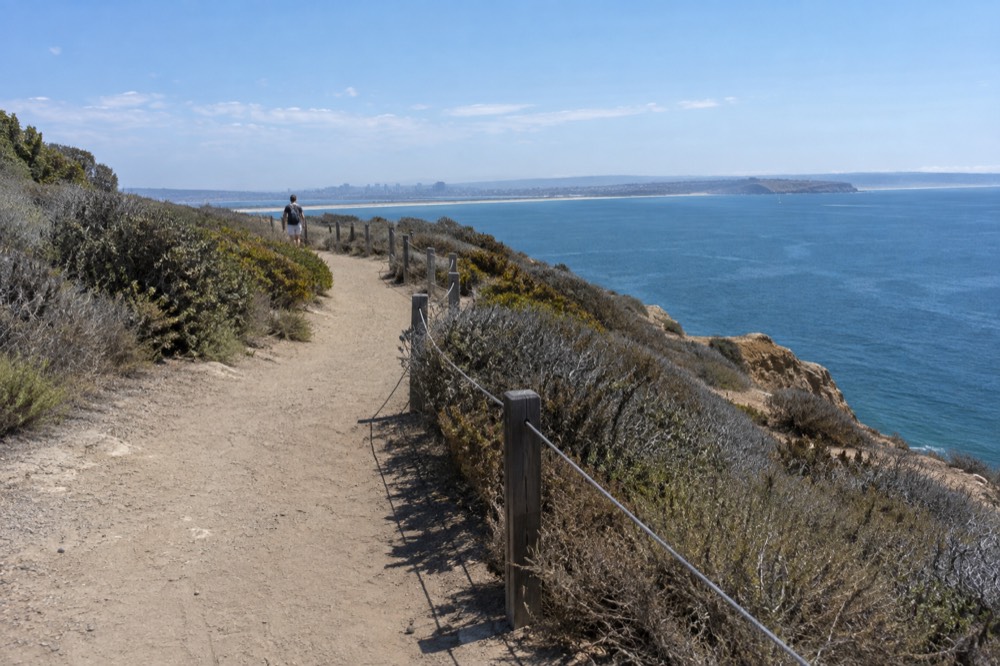
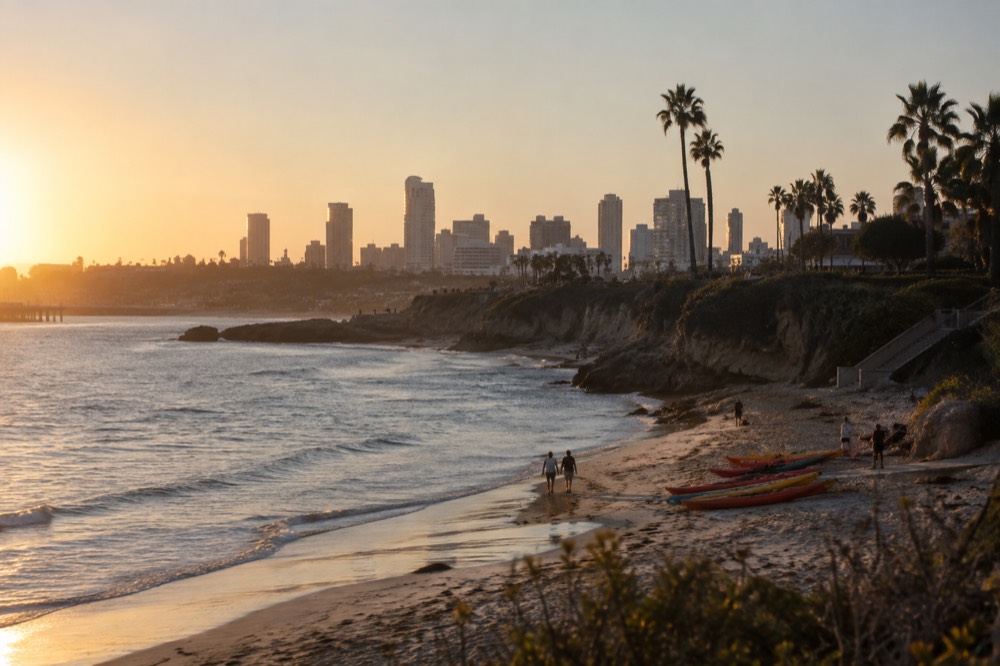
The waterfront is the second free cluster. The Embarcadero walk past the ships, Seaport Village's boardwalk, the public lawns around the County Administration Building and the view back at Coronado all cost nothing. La Jolla Cove and its coastline are free, with the caveat that the Children's Pool area has an annual harbor seal pupping closure and the exact protections change, so check signs on site rather than assuming access. Sunset Cliffs Natural Park is free and delivers the best sunset in the city for exactly $0. Our free San Diego activities guide is the full inventory if you want more free days than this itinerary uses.
| Free anchor | Neighborhood | Why it makes the cut |
|---|---|---|
| Balboa Park grounds, Botanical Building, Timken | Balboa Park | A full free day of gardens and architecture |
| Spreckels Organ Sunday concert | Balboa Park | Free hourly concert, 2:00 to 3:00 pm, year round |
| Embarcadero and Seaport Village walk | Downtown waterfront | Ships, bay views, zero admission |
| La Jolla Cove coastline | La Jolla | Free wildlife and coastline, no ticket |
| Sunset Cliffs Natural Park | Point Loma | The city's best free sunset |
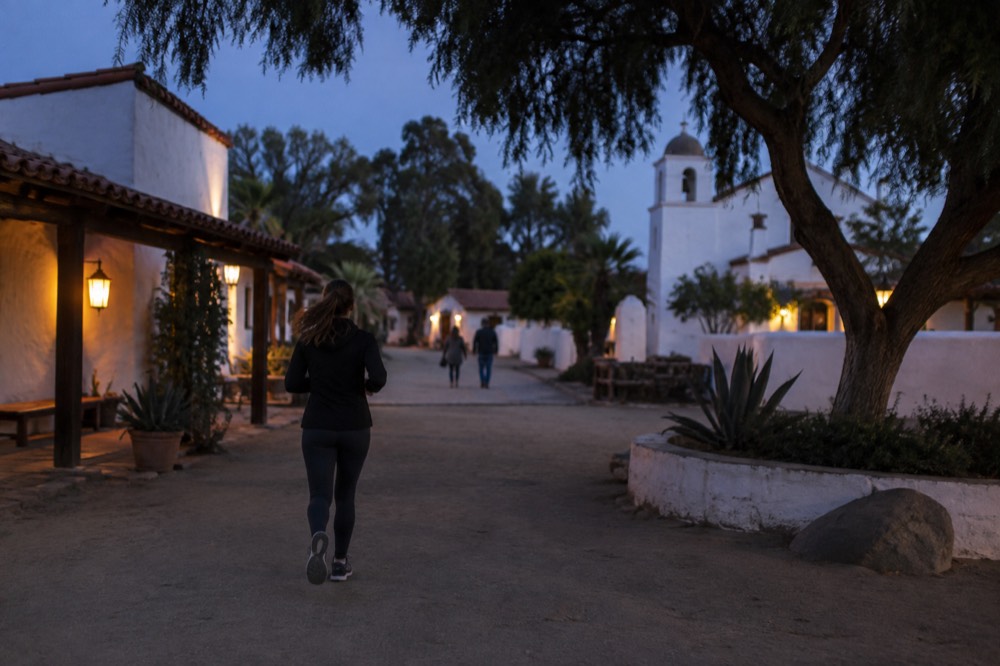
| Old Town San Diego State Historic Park | Old Town | Free historic core, cheap food nearby |
How Do You Do La Jolla Cheaply, Including the Water?
You take the bus, walk the free coastline, and if you want to get on the water, a guided kayak or snorkel tour costs less than most people assume and covers gear and guide in one price. The Cove itself, the seals and sea lions, the walkable caves viewpoint at low tide and the surrounding beaches are all free. The only real costs are getting there and any food you buy in the village.
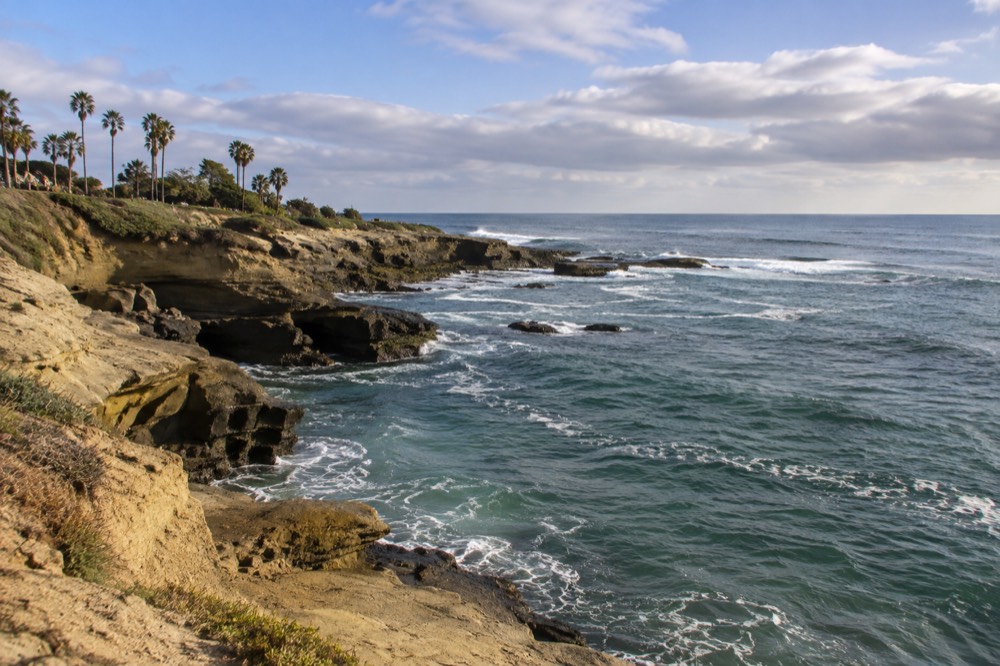
La Jolla is where budget travelers expect a price tag and mostly do not find one. The coastline from the Cove south past the sea caves is public and free, the seals and sea lions hauling out are viewable from the cliff walk at no cost, and at low tide you can walk into Sunny Jim's Cave viewpoint area for a look without any tour. The village's restaurants are the expensive part, so the budget move is eating before you arrive or grabbing tacos in Pacific Beach on the way.
The water is the one place worth spending. The La Jolla sea cave kayak tours run about two hours with a guide, all gear included, and the guided sea cave kayaking version runs shorter at 1h 30m. Snorkeling tours with sea lions and caves run about 1h 30m. Any of them turns a free beach day into the memorable part of the trip for less than a theme-park ticket, and booking ahead matters in summer when slots fill.
Between the caves and the village, the free stuff fills the rest of the day: La Jolla Shores for the long flat beach, the seawall walk, and the view down the coast from the Coast Boulevard parks. Our La Jolla Cove guide covers the walk, the wildlife etiquette and the tide timing, and the snorkeling La Jolla guide goes deeper on the water side if that is your priority.
Where Do You Eat Cheap in San Diego Without Eating Badly?
You eat where the taquerias, fish taco counters and neighborhood bakeries are: Old Town, City Heights, National City, North Park and Chula Vista rather than the Gaslamp or the bayfront. A outstanding fish taco runs a few dollars, a full taco shop meal with a drink lands around $12, and the farmers markets sell ready-to-eat food cheaper than sit-down restaurants. Budget $12 to $20 per person per day for food and you will eat well.
San Diego's cheap food is not a consolation prize, it is the actual food culture. The fish taco is the city's signature dish and its best versions come from shacks and counters, not restaurants with views. The taco shops scattered through City Heights and National City sell carne asada plates and rolled tacos at prices that make the tourist zone look absurd. North Park and its breweries run cheap food alongside the beer, and the best fish tacos guide and best tacos guide name the specific counters worth traveling to.
Two structural tips save the most. First, breakfast at a panaderia or a taco shop costs a third of a hotel breakfast and is better. Second, the farmers markets, and San Diego runs them across the week in Little Italy, Hillcrest, North Park and Ocean Beach, sell prepared food at market prices, which makes them a cheap lunch disguised as an activity. Our San Diego farmers markets guide lists which market falls on which day, which is exactly the planning detail a budget itinerary needs.
| Meal | Where | Typical damage |
|---|---|---|
| Breakfast, taco shop or panaderia | City Heights, Chula Vista | $4-$8 |
| Fish tacos, two or three | Any counter in our taco guide | $6-$10 |
| Taco shop plate with drink | Old Town edges, National City | $10-$14 |
| Farmers market lunch | Little Italy, Hillcrest, North Park | $8-$15 |
| Brewery pint and taco night | North Park | $15-$20 |
If you want one food experience that doubles as dinner and a walk through the city's history, the Old Town tequila and tacos walking food tour and the Gaslamp food and drink walking tour both run about 2h 30m and end around what a mid-range restaurant dinner would have cost anyway, except you get five or six stops and a guide. That is the one place a budget plan can justify a food tour without guilt.
Where Does the Money Leak on a San Diego Trip?
Parking, gate-price tickets and waterfront dining. The Zoo charges $16 per vehicle per day, Safari Park general parking is $20, SeaWorld parking starts at $37, and Balboa Park's non-resident lots run $10 to $16 a day while paid parking lasts, with City Council already having approved ending it on 1 January 2027. Add the $2 to $4 per-ticket markup of buying at the door instead of online, and a family of four can leak $100 a day without noticing.
Parking deserves its own paragraph because it is the expense travelers plan for last and pay for most. Balboa Park's paid lots are a live, time-boxed situation: rates currently run $8 per day for city residents up to $16 for non-residents in the premium lots, but City Council has formally approved removing paid parking effective 1 January 2027, so anything you read about Balboa Park parking, including this, has an expiry date. The Zoo's $16 per vehicle began 5 January 2026. The honest advice is in our parking in San Diego guide: go car-free, or park once at a cheap structure and use transit for the day.
Gate-price markup is quieter but compounds. The Midway is $39 online versus $41 at the door, and the Zoo's Value Day pricing is online only. None of this is dramatic on a single ticket, but across a family and a week it is a free lunch you are leaving on the table. Buy ahead for anything you are certain to do.
Waterfront dining is the third leak. A bay-view restaurant charges for the bay view you can walk to for free. Eat two streets inland and the same money buys twice the food. And a note on alcohol: it is prohibited on San Diego city beaches, boardwalks and parks, so the budget beer plan needs to happen at the brewery or the bar, not the sand.

What Does a Cheap 3-Day San Diego Itinerary Look Like Day by Day?
Day one: Balboa Park and the Zoo on one bus ride, with the free gardens filling the afternoon. Day two: downtown and the waterfront, the Midway, Old Town and the Embarcadero, all on the trolley. Day three: La Jolla's free coastline in the morning, a kayak or snorkel tour if the budget allows, and Sunset Cliffs for the free sunset. Total attraction spend can stay under $150 per adult for all three days.
Here is the plan in table form, built so each day uses one transit corridor and one paid anchor at most.
| Day | Morning | Afternoon | Evening | Paid anchor |
|---|---|---|---|---|
| 1 | Bus to Balboa Park, Botanical Building and gardens | San Diego Zoo | Free park grounds, dinner in Hillcrest or North Park | Zoo ticket, bought online |
| 2 | Old Town free historic core and tacos | Trolley to the Embarcadero, USS Midway Museum | Seaport Village walk, Gaslamp or Little Italy dinner | Midway, $39 online |
| 3 | Bus to La Jolla Cove, free cliff walk | Sea cave kayak or snorkel tour, or beach time | Bus to Sunset Cliffs for sunset | Optional kayak tour |
Day one is deliberately Balboa-heavy because the park rewards a full day and the Zoo inside it is the one attraction almost nobody regrets. The Zoo runs 9:00 am to 6:00 pm, needs no reservation and has no timed entry, so you can decide that morning. The free park tram saves your legs between the Zoo's exit and the gardens. Day two is the trolley day: Old Town in the morning when the historic core is quiet, then the Blue or Orange line to the Embarcadero for the Midway, which closes at 5:00 pm with last admission at 4:00 pm. Day three is the coast, and it is the day to keep flexible for weather, because the marine layer can grey a June morning while the afternoon clears.
When Is the Cheapest Time to Do This Budget Trip?
September is the sweet spot, and the data is unambiguous. September's normal high of 77.2F actually beats July's 75.3F and sits a tenth of a degree behind August, the ocean near La Jolla averages 67.6F, and September is the single lowest visitation month at Cabrillo National Monument across 2022 to 2024, with 56,876 recreation visits against July's 83,999. Warm water, warm air, thin crowds.
That gap, 48 percent fewer visits than July, is the signature counterintuitive fact of San Diego travel, and a budget traveler should build a trip around it. Locals know September as the real summer: schools are back, hotel demand softens, and the coast stays warm while the marine layer that locals call May Gray and June Gloom has cleared. You can see the pattern in the 30-year temperature normals themselves, where June's normal high of 71.7F is lower than October's 74.6F, which tells you June is greyer than people expect and September is better than advertised.
Beyond September, the cheap windows are the obvious ones: late fall and the weeks after New Year, with the caveat that rain is a winter phenomenon here, December through March carrying most of the year's precipitation. August is the driest month, with essentially zero measurable rain days, but it is also peak crowd. Our San Diego weather and best time to visit guide has the full month-by-month breakdown.
Should You Buy a Pass or Pay per Attraction on a Budget Trip?
For a strict budget itinerary of three days with two or three paid anchors, pay per attraction. The multi-attraction passes only pay off when you are stacking four or more big-ticket items, especially the theme parks, and a cheap trip built on free parks and one paid anchor per day does not hit that threshold. The exception is a family doing SeaWorld or LEGOLAND plus the Zoo, where the math can flip.
The pass landscape has one trap worth naming. Go City's standard All-Inclusive tier does not include the San Diego Zoo, Safari Park, SeaWorld or LEGOLAND; only the more expensive Plus tier adds those five. Travelers who buy the standard tier expecting the Zoo are the classic pass victims. The San Diego CityPASS packages start from SeaWorld or LEGOLAND combinations, with a SeaWorld-plus-three-choices package at $169 adult, and run valid for 9 consecutive days, which suits a packed week, not a lean three days. The Go City San Diego pass guide runs the full comparison math.
For this itinerary's shape, two or three paid attractions across three days, the honest answer is individual online tickets: Zoo online, Midway online, and an optional kayak tour. That is the whole paid layer. Everything else in the plan is free or transit-priced.
What If You Have a Fourth Day, or the Weather Turns?
A fourth budget day goes to the border or the backcountry: the Blue Line trolley runs all the way to San Ysidro for the standard $2.50 fare, and a guided Tijuana day trip with lunch runs about 5 hours and handles the logistics. For bad weather, the free and cheap indoor layer is thinner than the outdoor one, so the Midway, the Maritime Museum and the museums you buy at the gate are the rainy-day anchors.
The border option is genuinely San Diego-specific and cheaper than people expect. San Ysidro is the busiest land border crossing in the western hemisphere and sits at the southern end of the Blue Line trolley, so you can get to the border for a regular transit fare. What you cannot do is predict the wait: no official typical-wait table exists, and CBP publishes live wait times hourly, so check the live feed rather than any "usual" number. US citizens need a passport book, passport card, enhanced driver's license or Trusted Traveler card to re-enter by land, and ESTA visitors need a valid approved ESTA before land entry. A guided Tijuana trip sidesteps most of the planning anxiety and includes lunch. Our Tijuana guide covers the crossing in full.
The weather note is about the marine layer more than rain. A grey June morning is normal and usually burns off by early afternoon, so the budget move is scheduling outdoor anchors for the afternoon and free indoor mornings, or the reverse in September when mornings are clear. Actual rain days are rare outside winter and the indoor and rainy day guide catches the rest.
A one-hour harbor cruise is the other cheap add-on worth naming: it is one of the least expensive paid experiences on the bay, it runs from the Embarcadero where day two already puts you, and it pairs with the free waterfront walk for a full afternoon. If your fourth day is a beach day instead, Mission Bay and Pacific Beach absorb it for free, and the Mission Bay guide maps the free sand.
The Short Version of the Cheap San Diego Plan
The whole strategy compresses into five moves: travel in September for peak weather at shoulder-season prices, skip the rental car and live on the $6 day pass, buy your two or three paid tickets online instead of at the gate, eat at taco shops and farmers markets instead of bayfront restaurants, and build your days around the free anchors, Balboa Park, the Embarcadero and the coast. Do those five things and the expensive version of San Diego simply never reaches your wallet.
Go in September if you can. Skip the rental car and let PRONTO's fare capping do the accounting for you. Spend your mornings in Balboa Park and your afternoons at one paid anchor, bought online. Eat tacos and farmers market food, and let the bay views be free from the sidewalk. Keep the car-park math out of your trip entirely, because parking, not admission, is where San Diego vacations quietly get expensive. That is the whole trick, and it leaves you money for the two or three experiences actually worth splashing on: the water at La Jolla, the bay from a boat, and the Zoo, which is the one ticket on this list that justifies itself at full price.
For everything this itinerary skips, the cheap San Diego activities guide and the San Diego bucket list fill the gaps, and Things to Do in San Diego keeps the full attraction and neighborhood library current.
Common Questions About a San Diego Budget Trip
What does a San Diego budget trip actually cost?
Plan on $30 to $60 per person per day before lodging: $6 for unlimited transit, $12 to $20 for food, and either a free day or one paid attraction. The Zoo is the priciest anchor at $76 adult on Any Day, $73 on Value Days online, and the USS Midway Museum is $39 online versus $41 at the door.
Can you do San Diego without a car on a budget?
Yes, and it is the single biggest money saver. The trolley and MTS buses cover downtown, Old Town, Balboa Park via a short bus hop, the border and most of this itinerary on a $6 day pass, and PRONTO fare capping means you never need to buy the day pass up front. The airport has no trolley station, but Route 992 runs downtown every 15 minutes for $2.50 and the San Diego Flyer shuttle to Old Town is free.
Is Balboa Park free?
The grounds, gardens, trails, the Botanical Building and Lily Pond, the Timken Museum of Art and the Sunday Spreckels Organ concerts are all free. The museums inside charge admission, and the Resident Free Tuesdays rotation is a benefit for City and County of San Diego residents and active military with ID, not for visitors.
When is the cheapest and best month for a budget San Diego trip?
September. Its normal high of 77.2F beats July's, the ocean off La Jolla averages 67.6F, and it is the lowest visitation month at Cabrillo National Monument across 2022 to 2024, with 48 percent fewer visits than July. You get peak weather at shoulder-season demand.
Should budget travelers buy a San Diego attraction pass?
Usually not. A three-day budget trip with two or three paid anchors is cheaper with individual online tickets. Passes only pay off when stacking four or more big-ticket items, and note that [Go City](https://gocity.tpk.ro/A7HbJDBw)'s standard All-Inclusive tier excludes the Zoo, Safari Park, SeaWorld and LEGOLAND, which are only in the pricier Plus tier.
Where does the money leak on a San Diego trip?
Parking and gate-price markups. The Zoo charges $16 per vehicle per day, Safari Park general parking is $20, SeaWorld parking starts at $37, and Balboa Park's non-resident lots run $10 to $16 a day while paid parking lasts, though City Council has approved ending it on 1 January 2027. Going car-free removes the whole line.